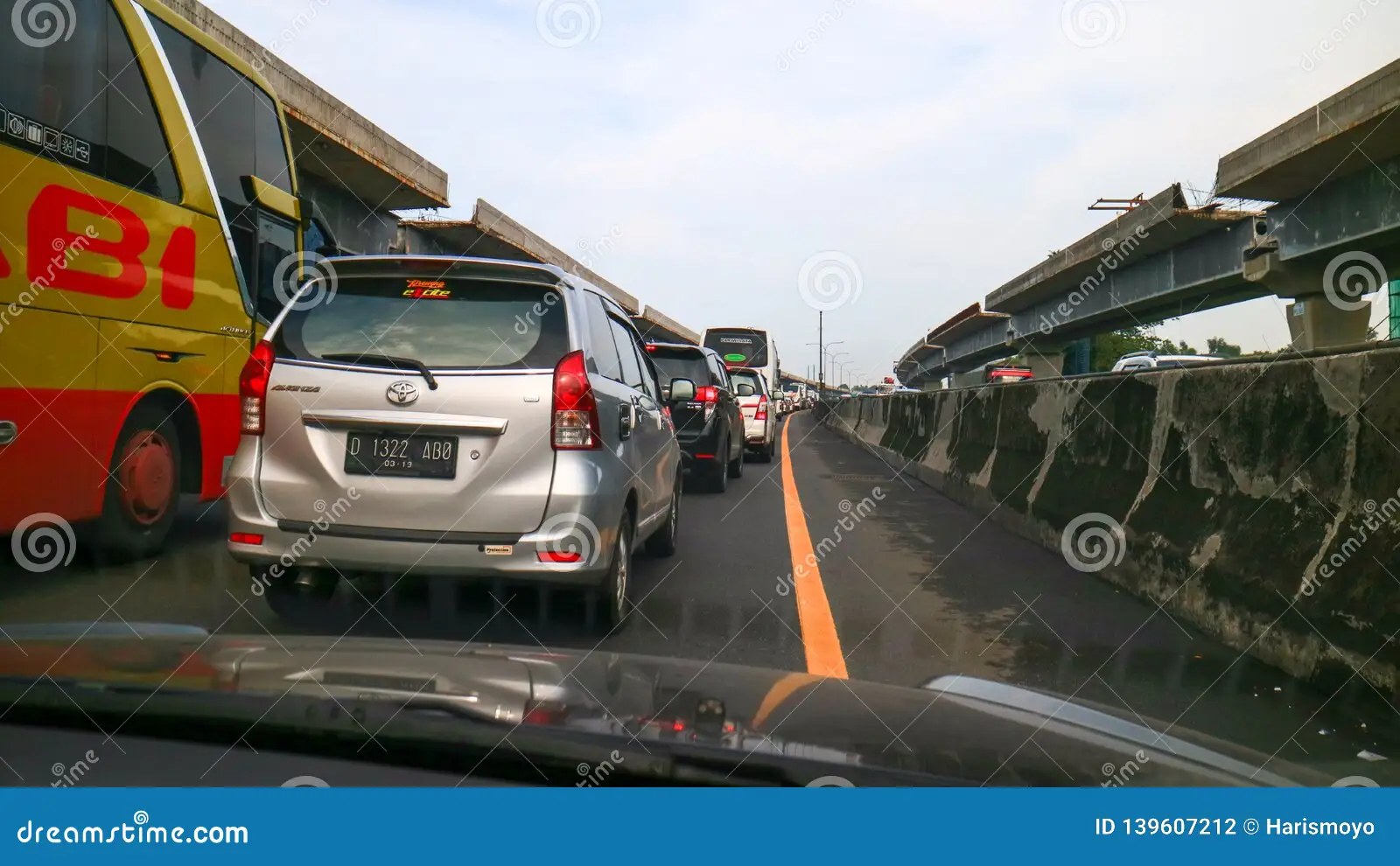
In a move aimed at improving traffic flow and alleviating congestion, Indonesian Transport Minister Dudi Purwagandhi announced the government's intention to evaluate traffic congestion in Ketapang, located in the southern province of Lampung. This step is part of the preparations for the Eid al-Adha 2026 period, during which a significant increase in vehicle movement is expected in the region.
During a field visit to Bakauheni Port, Purwagandhi noted that the government would coordinate efforts with the Public Works Ministry and Jasa Marga to address the traffic bottlenecks that typically occur at the junctions where vehicles heading to the port converge.
Details of the Event
Traffic in Ketapang noticeably increases during holiday periods, as a large number of vehicles coming from highways intersect with those transporting goods to the port. Purwagandhi confirmed that the traffic congestion is caused by the rising number of vehicles, including passenger cars and trucks carrying goods, leading to traffic jams at specific points.
In this context, the minister pointed out that the government recognizes that these congestions cannot be entirely avoided, but it aims to reduce them by improving traffic management and developing infrastructure.
Background & Context
Historically, Indonesia, especially areas surrounding ports, has faced significant challenges in managing traffic during holiday periods. Bakauheni Port is one of the most important ports in the country, linking the islands of Java and Sumatra, making it a vital point for the transportation of goods and people. With the increasing population and rising traffic, it has become essential to take effective measures to improve the situation.
It is worth noting that the Indonesian government has undertaken several initiatives in previous years to enhance infrastructure, including road expansions and updates to transportation systems, but challenges remain.
Impact & Consequences
Traffic congestion significantly impacts the local economy, leading to delays in the transportation of goods and increased transportation costs. Additionally, congestion negatively affects the quality of life for local residents, causing stress and psychological pressure. Therefore, improving traffic management will have a positive impact on both the economy and the community.
Moreover, enhancing transportation infrastructure can contribute to attracting investments to the region, thereby boosting economic growth and creating new job opportunities.
Regional Significance
Although this news pertains to Indonesia, issues related to traffic management and infrastructure are global concerns. Many Arab countries face similar challenges, especially in major cities experiencing traffic congestion. The lessons learned from Indonesia's experience could be beneficial for Arab nations in improving transportation systems and traffic management.
In conclusion, the Indonesian government's assessment of traffic congestion represents an important step towards improving infrastructure and transportation, contributing to enhancing the local economy and improving the quality of life for residents.