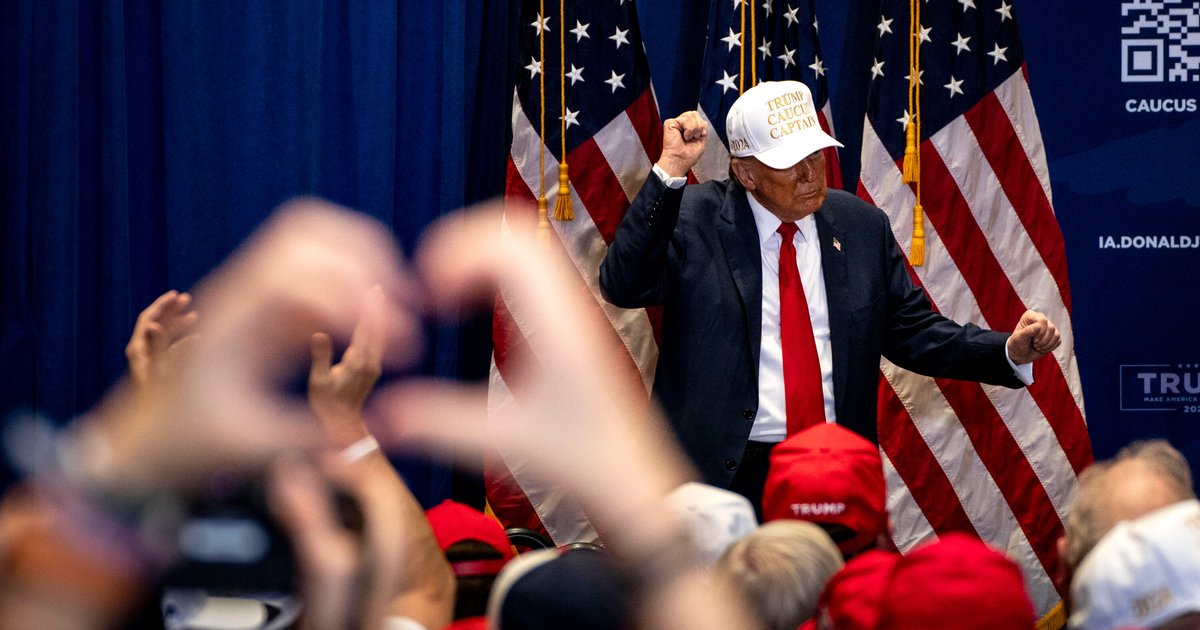
In a controversial assessment, former U.S. President Donald Trump shared his views on his predecessors, pointing to 47 years of indecision in American politics. Trump asserted that previous administrations were unable to make decisive choices, which negatively impacted the country.
Trump's remarks come at a sensitive time when the world faces multiple challenges requiring swift and effective responses. In this context, questions arise about the accuracy of Trump's evaluation of his predecessors and its impact on current American politics.
Details of the Event
During an interview with the media, Trump indicated that previous administrations were hesitant to make bold decisions, leading to exacerbated internal and external crises. He considered these hesitations a primary reason for the lack of tangible progress on many important issues.
Trump also added that these indecisive policies weakened the United States' position on the international stage, making it appear less powerful in the face of global challenges.
Background & Context
The history of American politics is filled with challenges faced by previous administrations, ranging from economic crises to military conflicts. Over the decades, there have been multiple attempts to change this trend, but the results have often been unsatisfactory.
Since taking office, Trump has adopted a different approach, attempting to make quick and bold decisions, which sparked widespread debate about the effectiveness of these policies. This approach has led to a division in American public opinion, with supporters and opponents.
Impact & Consequences
Trump's evaluation of his predecessors could significantly affect American politics in the future. If this approach of criticizing previous administrations continues, it may lead to an increase in political division within the country.
Moreover, this evaluation could impact American relations with other countries, as it may be seen as a sign of instability in U.S. foreign policy.
Regional Significance
Amid ongoing tensions in the Arab region, Trump's evaluation may have indirect effects on U.S. relations with Arab countries. The indecision in making choices could reflect how the United States deals with regional issues, such as conflicts in Syria and Libya.
This evaluation may also influence Arab countries' expectations regarding future American policies, potentially complicating bilateral relations.
In conclusion, Trump's assessment of his predecessors remains a contentious topic, shedding light on the challenges facing American politics. As global events continue to unfold, the question remains open regarding how this evaluation will impact the future.