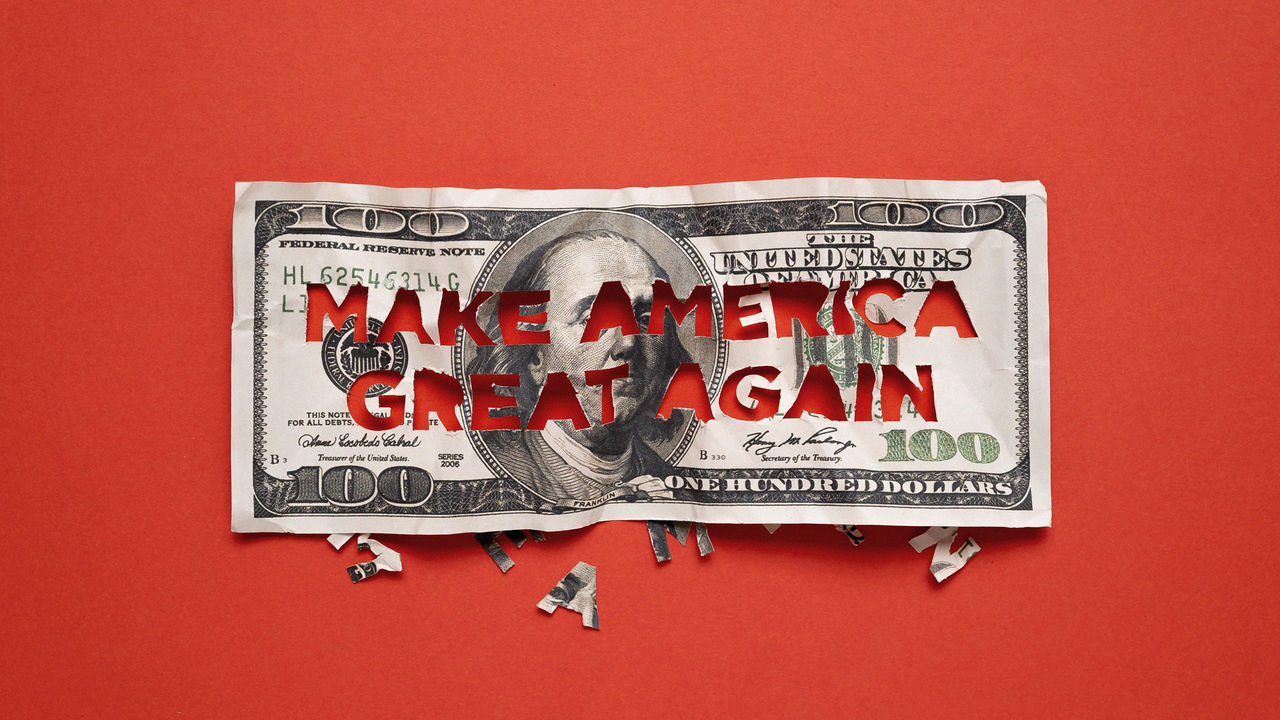
A full year after former President Donald Trump announced comprehensive tariffs on U.S. imports, an economic expert revealed that this strategy has failed to achieve the objectives the administration aimed for. The tariffs were intended to protect domestic industry and boost the U.S. economy, but the results have been disappointing.
Tariffs are one of the tools used by the Trump administration as part of its trade policy, imposing tariffs of up to 25% on a wide range of imported goods, including products from China. Despite the hopes pinned on this policy, economic data indicates otherwise.
Event Details
While the Trump administration hoped that the tariffs would reduce the trade deficit and enhance domestic production, studies have shown that this policy led to increased prices for American consumers. Many experts pointed out that the tariffs did not achieve the desired goal of reducing imports; on the contrary, they heightened trade tensions with other countries, especially China.
Additionally, reports indicated that many American companies relying on imported materials were negatively impacted, leading to reduced profits and increased operational costs. In this context, the expert confirmed that the failure to achieve economic objectives reflects the need to reevaluate U.S. trade policies.
Background & Context
The roots of this policy trace back to Donald Trump's election campaign, where he promised to adopt stricter trade policies to protect American workers. As trade tensions between the United States and China escalated, the tariffs became part of a broader strategy aimed at reshaping international trade relations.
However, this strategy has not been without criticism, as many viewed it as an ill-considered step that could lead to negative repercussions for both the U.S. and global economies. In this context, some analysts noted that the shift towards trade protectionism might hinder long-term economic growth.
Impact & Consequences
The repercussions of the tariffs extend beyond U.S. borders, affecting trade relations with numerous countries. This policy led other nations to impose retaliatory tariffs on American goods, further escalating global trade tensions.
Moreover, the failure to achieve economic objectives raises questions about the ability of trade policies to address contemporary economic challenges. In a world moving towards globalization, protectionist policies may prove less effective than previously thought.
Regional Significance
For the Arab region, the implications of these policies could be significant, especially given the heavy reliance on trade with the United States. The tariffs may affect Arab countries' exports to the U.S. market, negatively impacting their economies.
Furthermore, global trade tensions could lead to increased instability in markets, undermining the ability of Arab nations to achieve sustainable economic growth.
In conclusion, the failure of the tariffs imposed by the Trump administration highlights the urgent need to rethink global trade policies. As changes in the economic landscape continue, the question of how to balance protecting domestic industry while enhancing international trade relations remains open.