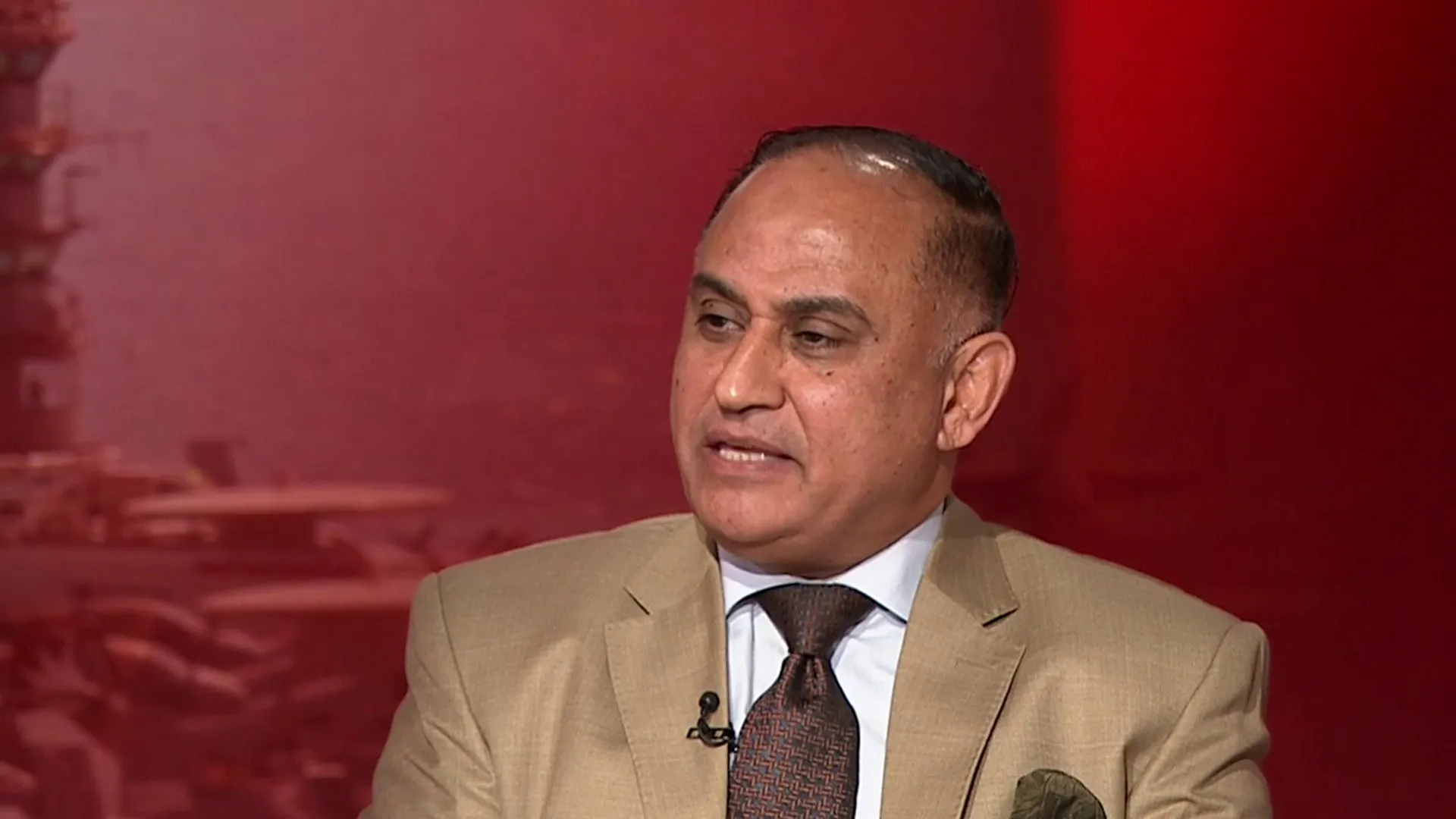
Major General Mohamed Abdel Wahid, an expert in strategic and maritime affairs, clarified that the interception of commercial vessels is not absolute but is governed by specific legal and technical conditions. He emphasized that the United Nations Convention on the Law of the Sea of 1982 serves as the primary reference regulating these operations.
Abdel Wahid's statements came in the wake of an incident where U.S. forces boarded a commercial ship in the Arabian Sea, suspecting it was headed towards blockaded Iranian ports. The ship was released after confirming its final destination.
Details of the Incident
Major General Abdel Wahid confirmed that military vessels have the right to stop commercial ships on the high seas if there are reasonable grounds to suspect their involvement in illegal activities, such as piracy or slave trading. Additionally, forces enforcing a blockade are entitled to inspect vessels to ensure compliance with blockade rules.
He pointed out that maritime law strikes a balance between freedom of navigation and the security concerns of states. However, seizing or completely closing international straits, such as the Strait of Hormuz, contradicts the principle of innocent passage guaranteed by the 1982 Convention.
Context and Background
Inspections of commercial vessels are part of the security measures taken by states to protect their interests. In recent years, there has been an increase in these operations, particularly in politically tense areas like the Arabian Sea.
The inspection process requires precise technical stages, starting with communication with the vessel via radio to request information about its identity, destination, and cargo. A specialized team is then dispatched via fast boats or helicopters to verify that the cargo matches the official documents.
Implications and Consequences
Inspection operations raise questions about the rights of states to intercept commercial vessels, especially amid rising tensions in the region. These operations could escalate situations between the involved states if international laws are violated.
If a commercial vessel refuses instructions, the procedures escalate gradually, starting from audible and visual warnings to the firing of warning shots. In cases of resistance, the warship is entitled to use minimal force to impede the vessel's movement.
Impact on the Arab Region
These issues are particularly significant for Arab states, as navigation in territorial waters represents a lifeline for national economies. Any escalation in these operations could adversely affect trade and maritime navigation in the region.
In conclusion, Major General Abdel Wahid asserted that direct attacks on vessels that do not disclose their information occur only in extreme necessity, stressing that any violation of these rules could lead states into complex international legal disputes.