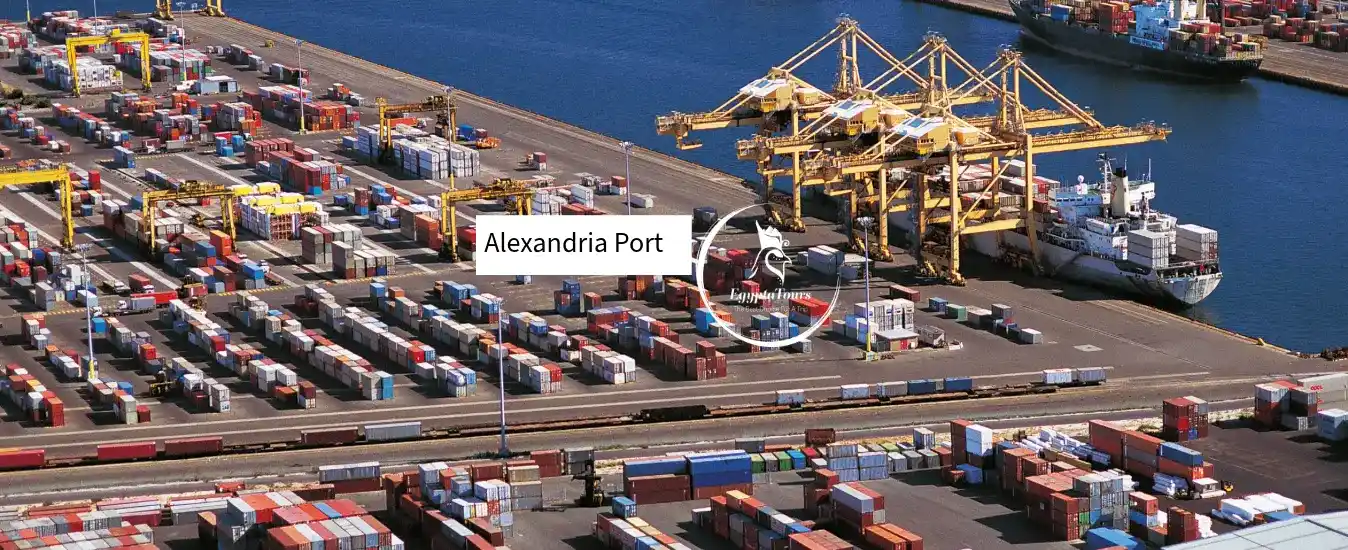
The head of Alexandria Port Authority announced that the maritime transport and ports sector in Egypt will be exempt from the government's decision to implement remote work. This decision aims to ensure the continuity of vital operations in the ports, which are considered the lifeblood of the Egyptian economy, given the current economic conditions.
This announcement comes at a time when Egypt is facing significant economic challenges, as the government seeks to enhance operational efficiency in vital sectors, particularly maritime transport, which plays a pivotal role in international trade.
Details of the Announcement
The head of Alexandria Port Authority confirmed that the exemption of the maritime transport and ports sector from remote work is part of the government's commitment to ensuring that navigation and trade activities are not affected. He pointed out that the maritime ports are among the most important strategic points that require a physical presence of labor to ensure the regular flow of operations.
He also explained that this decision will contribute to enhancing Egypt's competitiveness in the maritime transport sector, especially in light of the challenges faced by many countries in this field. He emphasized the importance of maintaining operations in the ports to ensure the flow of goods and commodities, which positively impacts the national economy.
Background & Context
Maritime ports in Egypt are considered among the most important commercial centers in the region, significantly contributing to international trade. In recent years, there have been notable developments in this sector, with increased investments in port infrastructure and modernization of equipment.
In light of the COVID-19 pandemic, many countries have adopted remote work systems across various sectors; however, the maritime transport sector has unique requirements that necessitate the presence of labor in the ports to ensure the continuity of operations. Therefore, the decision to exempt this sector was a necessary step to maintain economic stability.
Impact & Consequences
The exemption of the maritime transport sector from the remote work decision is expected to enhance trade flow and increase the efficiency of logistical operations. It will also help provide additional job opportunities, contributing to reducing unemployment rates in the country.
Moreover, this decision may strengthen Egypt's position as a regional hub for maritime transport, attracting more foreign investments and enhancing the competitiveness of Egyptian ports in the global market.
Regional Significance
The decision to exempt the maritime transport sector from remote work serves as a model that other countries in the region facing similar challenges can follow. With the increasing reliance on maritime trade, it becomes essential for countries to ensure the continuity of operations in this vital sector.
Furthermore, enhancing maritime transport efficiency in Egypt could improve trade relations with other Arab countries, thereby strengthening regional economic cooperation.
In conclusion, the decision to exempt the maritime transport sector from remote work is a strategic step aimed at boosting the Egyptian economy and ensuring the continuity of vital operations in the ports. This decision reflects the government's direction towards improving the work environment in vital sectors, contributing to sustainable development.