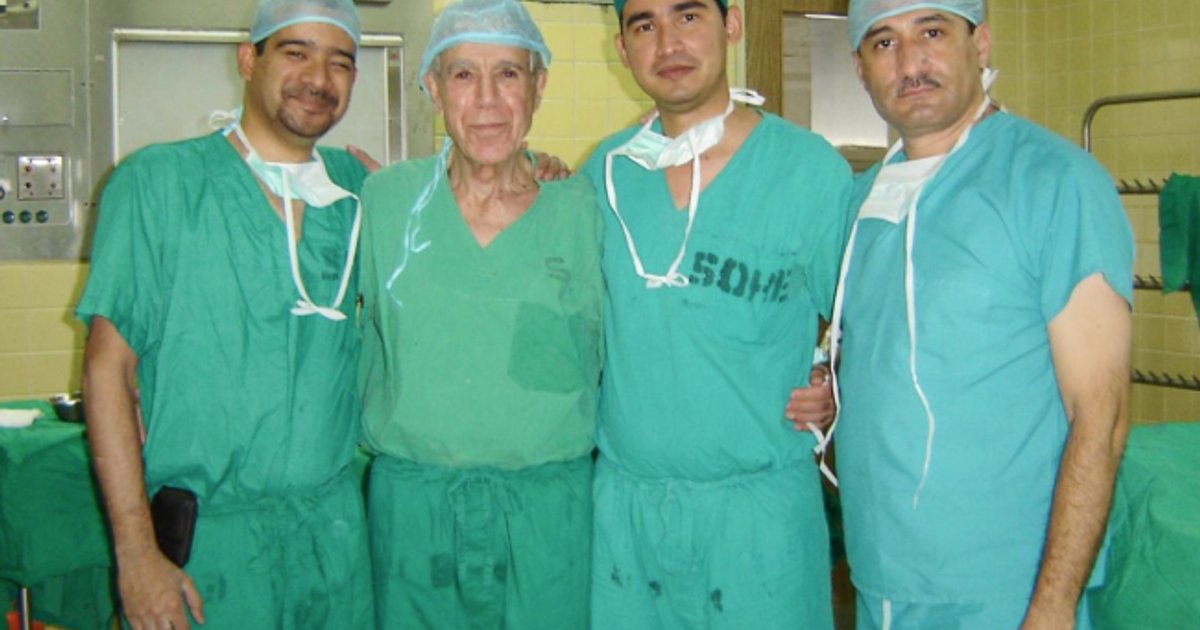
A member of the Education and Scientific Research Committee in the Egyptian Parliament emphasized the urgent need to expand practical training programs in hospitals to improve the quality of medical education. He highlighted the importance of these programs in preparing qualified doctors to face health challenges.
He explained that practical training is an essential part of the educational process, as it allows students to apply what they have learned in the classroom to real-world situations. He also noted that these programs help enhance students' skills and develop their abilities to handle various medical cases.
Details of the Event
The statements from the parliament member came during a meeting of the Education and Scientific Research Committee, where ways to improve medical education in Egypt were discussed. He asserted that there is an urgent need to provide more training opportunities for students in hospitals, especially in light of the challenges facing the health sector.
He pointed out that many students face difficulties in obtaining suitable practical training, which negatively impacts the quality of medical education. He affirmed that expanding these programs will contribute to improving the quality of medical education and enhance doctors' ability to provide better healthcare.
Background & Context
Practical training programs are considered an essential part of medical education in many countries, as they provide students with the opportunity to learn through practice. In Egypt, many students suffer from a lack of training opportunities, which affects the quality of medical education.
The Egyptian government is striving to improve the healthcare system and enhance the quality of medical education, but challenges remain. It is crucial to provide more resources and training opportunities for students to ensure the preparation of qualified doctors.
Impact & Consequences
Expanding practical training programs could lead to improved quality of medical education in Egypt, positively reflecting on the level of healthcare provided. It may also contribute to increasing the number of qualified doctors capable of addressing various health challenges.
If these programs are implemented effectively, they could help bridge the gap between theoretical education and practical application, enhancing doctors' ability to provide comprehensive healthcare.
Regional Significance
Egypt is considered one of the leading countries in medical education in the Arab region, and improving the quality of medical education there could impact neighboring countries. If Egypt succeeds in developing practical training programs, it could become a model for others in the region.
This approach could enhance cooperation among Arab countries in the field of medical education, contributing to the overall improvement of healthcare standards in the region.
In conclusion, expanding practical training programs within hospitals is an important step toward improving the quality of medical education in Egypt. It is essential to provide more training opportunities for students to ensure the preparation of qualified doctors capable of facing health challenges.