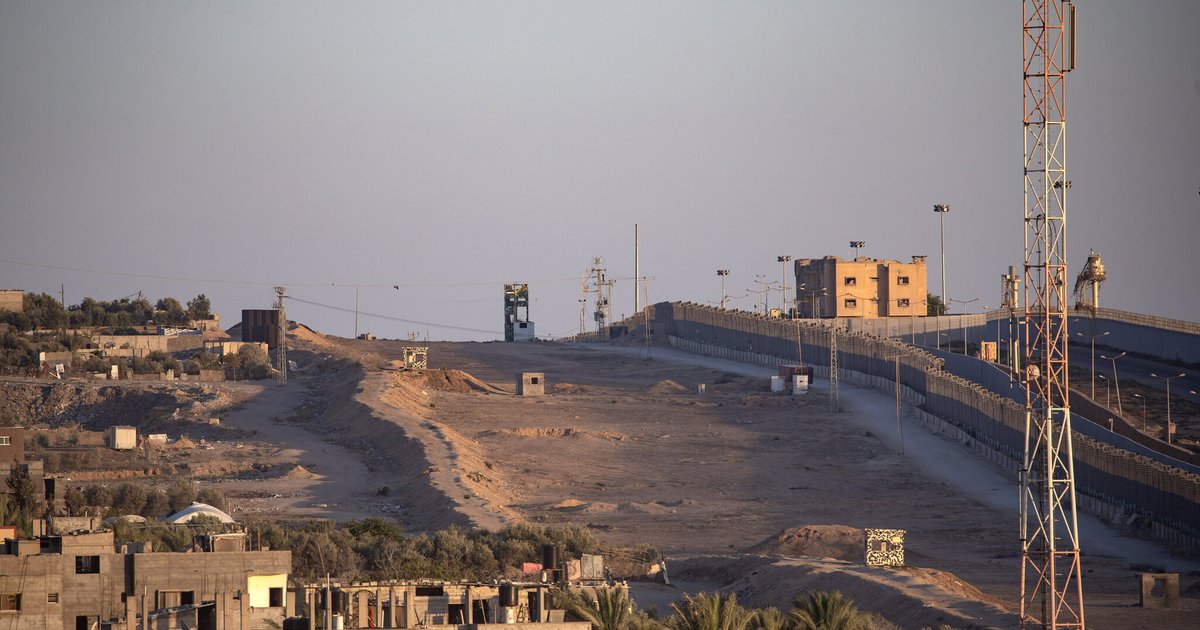
Ongoing developments in Gaza reveal Israel's efforts to reinforce its occupation by expanding the Yellow Line. These actions come at a sensitive time, as they raise concerns among local residents and undermine efforts to reach a ceasefire agreement.
Reports indicate that the Israeli occupation is targeting areas of displacement and shelter, further complicating the humanitarian situation in the region. These policies suggest an intention to maintain control for as long as possible, negatively impacting the lives of Palestinians.
Details of the Event
Recently, Israel has expanded the Yellow Line, which is considered a strategic move aimed at enhancing control over Palestinian territories. This expansion is accompanied by open threats from Israeli officials, increasing anxiety among Gaza's residents.
These policies continue to affect the lives of Palestinians, as residents suffer from shortages of basic resources, exacerbating the deteriorating humanitarian conditions. Furthermore, these actions contradict international efforts aimed at achieving peace and stability in the region.
Background & Context
Historically, the Gaza Strip has witnessed ongoing conflicts due to the Israeli occupation, which began in 1967. Over the years, the region has faced numerous military attacks, leading to the destruction of infrastructure and increasing the suffering of its residents.
In recent years, various international parties have attempted to mediate ceasefire agreements; however, these efforts often encounter significant obstacles, primarily due to Israeli policies aimed at expanding control over Palestinian lands.
Impact & Consequences
The expansion of the Yellow Line has serious implications for the humanitarian situation in Gaza, leading to worsening economic and social crises. Residents are experiencing shortages of food and water, along with a decline in health and educational services.
Moreover, these policies could escalate tensions between Palestinians and Israelis, increasing the likelihood of new confrontations. The current situation requires urgent action from the international community to pressure Israel to halt these policies.
Regional Significance
Developments in Gaza are indicative of the tense conditions in the Arab region as a whole. The continuation of the Israeli occupation reflects the instability affecting neighboring countries and intensifies conflicts.
Additionally, these conditions may exacerbate humanitarian crises in other Arab countries, as the mass displacement of Palestinians could increase pressures on host nations.
In conclusion, the situation in Gaza remains under international scrutiny, necessitating urgent action to end the occupation and achieve lasting peace in the region.