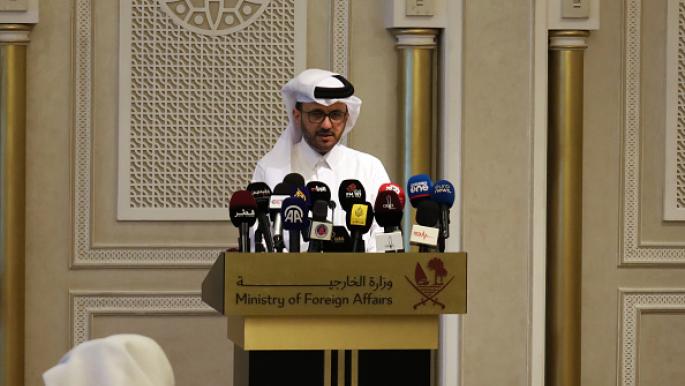
The Gulf summit is taking place today, expected to discuss numerous vital issues, primarily the current crisis in the region. Qatari Foreign Ministry spokesperson Majid Al-Ansari confirmed that the summit will specifically address the impact of closing the Strait of Hormuz on global supply chains.
The Strait of Hormuz is one of the most important maritime passages in the world, through which approximately 20% of the world's total oil passes. Any closure of this strait would lead to significant disruptions in global oil markets, adversely affecting economies that heavily rely on these supplies.
Details of the Event
This summit comes at a sensitive time for the region, where political and military tensions are escalating. Al-Ansari pointed out that the summit will bring together leaders of the Gulf Cooperation Council (GCC) countries to discuss ways to enhance cooperation among member states to face common challenges.
The summit will also address security and economic issues, in addition to exploring ways to promote stability in the region. Recommendations are expected to emerge from the summit regarding how to handle current and future crises.
Background & Context
Historically, the Strait of Hormuz has witnessed numerous crises that have affected global trade flows. In recent years, tensions between Iran and the United States have increased, leading to threats of closing the strait. These threats raise concerns among Gulf countries that depend on exporting oil through this vital passage.
Moreover, any escalation in the region could impact the relationships between Gulf states and major powers, necessitating dialogue and cooperation among these nations to avoid any potential escalation.
Impact & Consequences
If the Strait of Hormuz were to be closed, it would lead to a significant rise in oil prices, affecting the global economy. Oil-importing countries would face difficulties in securing their needs, potentially leading to a global economic slowdown.
Additionally, the impact of closing the strait would not be limited to the economic side alone; it would also affect political stability in the region, as conflicts may escalate among countries competing for influence.
Regional Significance
The Arab Gulf states are the most affected by the closure of the Strait of Hormuz, as their economies heavily depend on oil exports. Any disruption in this strait could lead to internal economic crises, impacting political and social stability in these countries.
In conclusion, the Gulf summit remains an important opportunity for member states to unify efforts and exchange views on how to tackle current challenges, including the impact of closing the Strait of Hormuz on supply chains.