A prominent military expert has revealed that the ongoing dispute between the United States and Iran could last for many years, raising fears of escalating tensions in the Middle East. These statements come at a sensitive time as military operations and hostile rhetoric between the two sides increase, warning of further escalation.
In light of recent events, the expert noted that the conflict could take various forms, including direct military operations, covert actions, and proxy wars. These dynamics may complicate the path to a peaceful resolution, increasing the likelihood of a prolonged dispute.
Details of the Conflict
Tensions between the United States and Iran have intensified since Washington's withdrawal from the nuclear agreement in 2018, which led to the imposition of severe economic sanctions on Tehran. In response to these sanctions, Iran has escalated its nuclear activities and expanded its influence in the region, raising concerns among the United States and its allies.
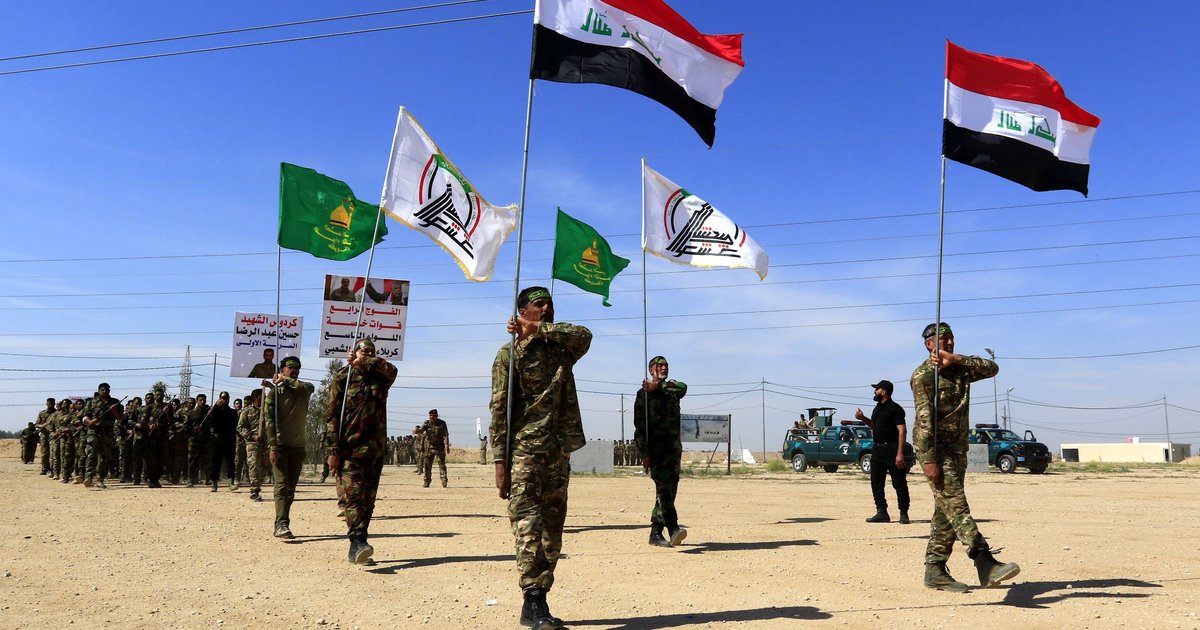
Recently, there has been a surge in attacks targeting American forces in Iraq and Syria, as well as assaults on commercial vessels in the Arab Gulf. These incidents reflect the rising tensions and affirm that the conflict may transcend the traditional boundaries of wars.
Background & Context
Historically, US-Iranian relations have been marked by increasing tensions since the Islamic Revolution in 1979, when the United States viewed Iran as a threat to regional security. Since then, Washington has pursued a policy of pressure on Tehran, while Iran has sought to bolster its influence in the region by supporting armed groups.
Geopolitical shifts in the region, including conflicts in Syria and Iraq, have contributed to deepening these tensions. Additionally, the Israeli-Palestinian conflict and tensions with Gulf states complicate the security landscape in the region.
Impact & Consequences
If the US-Iranian war continues, it could have severe repercussions for regional stability. Global oil prices are likely to be affected, potentially leading to increased energy costs. Moreover, the conflict could exacerbate humanitarian crises in neighboring countries such as Iraq and Syria.
Furthermore, the continuation of the conflict may increase sectarian divisions in the region, as extremist groups could exploit this chaos to enhance their influence. This situation poses a threat to both regional and international security.
Regional Significance
The Arab countries neighboring Iran and the United States are likely to be the most affected by this conflict. These nations may face military and economic pressures as tensions rise. Any military escalation could lead to an influx of refugees and increased humanitarian crises in the region.
Additionally, the war may impact relations between Arab states and Iran, as some countries find themselves forced to choose between supporting the United States or maintaining their ties with Tehran. This situation could further complicate regional relations and lead to more divisions.
In conclusion, the US-Iranian conflict appears to have far-reaching effects on the region, necessitating that Arab nations adopt clear strategic positions to address these escalating challenges.