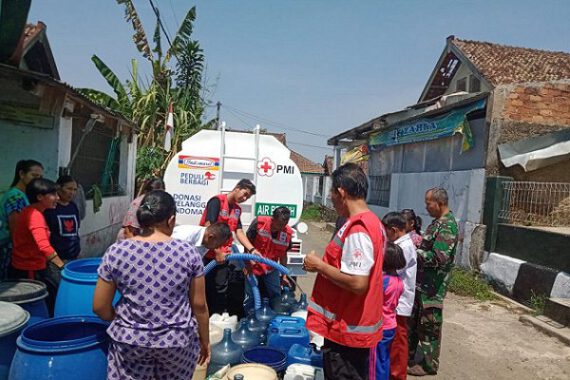
The Indonesian Meteorology, Climatology, and Geophysics Agency (BMKG) has reported that the peak of the dry season in Banten province is expected to occur between July and August 2026. The agency has called on residents to take proactive steps to reduce freshwater consumption, as this season is anticipated to be longer and drier due to the effects of the El Niño phenomenon.
Nelly Ramah Kurniawati, head of the meteorology department at the agency, explained that the region has already begun to enter the dry season, which extends from the end of March until June. However, Banten is still in a transitional phase, with this condition expected to persist until early June 2026.
Event Details
Despite entering the dry season, there is a possibility of heavy rainfall during the evenings, resulting from high daytime temperatures, where humidity levels in the air can reach between 60 and 95 percent. Nelly noted that hot conditions lead to intense evaporation of water, raising warm and humid air into the atmosphere, contributing to the formation of Cumulonimbus clouds that result in heavy rain accompanied by thunderstorms.
Therefore, the agency has urged residents to increase their awareness and caution, as they should be wary of short-term hydroclimatic disasters such as floods in vulnerable areas like Pandeglang and Lebak, while also preparing to face a water crisis during the upcoming peak of the drought.
Background & Context
Indonesia is one of the countries significantly affected by climate change, experiencing seasons of drought and flooding repeatedly. Historically, climatic phenomena such as El Niño have influenced weather patterns in the region, leading to significant fluctuations in rainfall amounts. In recent years, these phenomena have increased due to global climate changes, necessitating preventive measures from governments and local communities.
Banten province is one of the areas suffering from the impacts of these phenomena, having experienced prolonged dry periods in recent years that affected agriculture and water availability. Thus, the current warnings come as part of efforts to mitigate potential damages resulting from these phenomena.
Impact & Consequences
Prolonged dry periods can have negative effects on agriculture, as many farmers in Banten rely on seasonal rains to irrigate their crops. With rising temperatures, crops may face drought, leading to decreased productivity and increased food prices. Additionally, water shortages may affect the availability of drinking water, increasing health risks for the population.
Moreover, dry conditions can heighten the risk of wildfires, posing an additional threat to the environment and public health. Therefore, early preparedness and good planning can help reduce these risks.
Regional Significance
Climate change is a global issue affecting all countries, including Arab nations. Many Arab countries face similar problems related to water scarcity and drought. Thus, Indonesia's experiences in tackling these challenges can provide valuable lessons for Arab countries on how to deal with the effects of climate change.
In conclusion, local communities and governments worldwide must collaborate to address climate challenges by sharing knowledge and experiences and developing effective strategies to adapt to changing conditions.