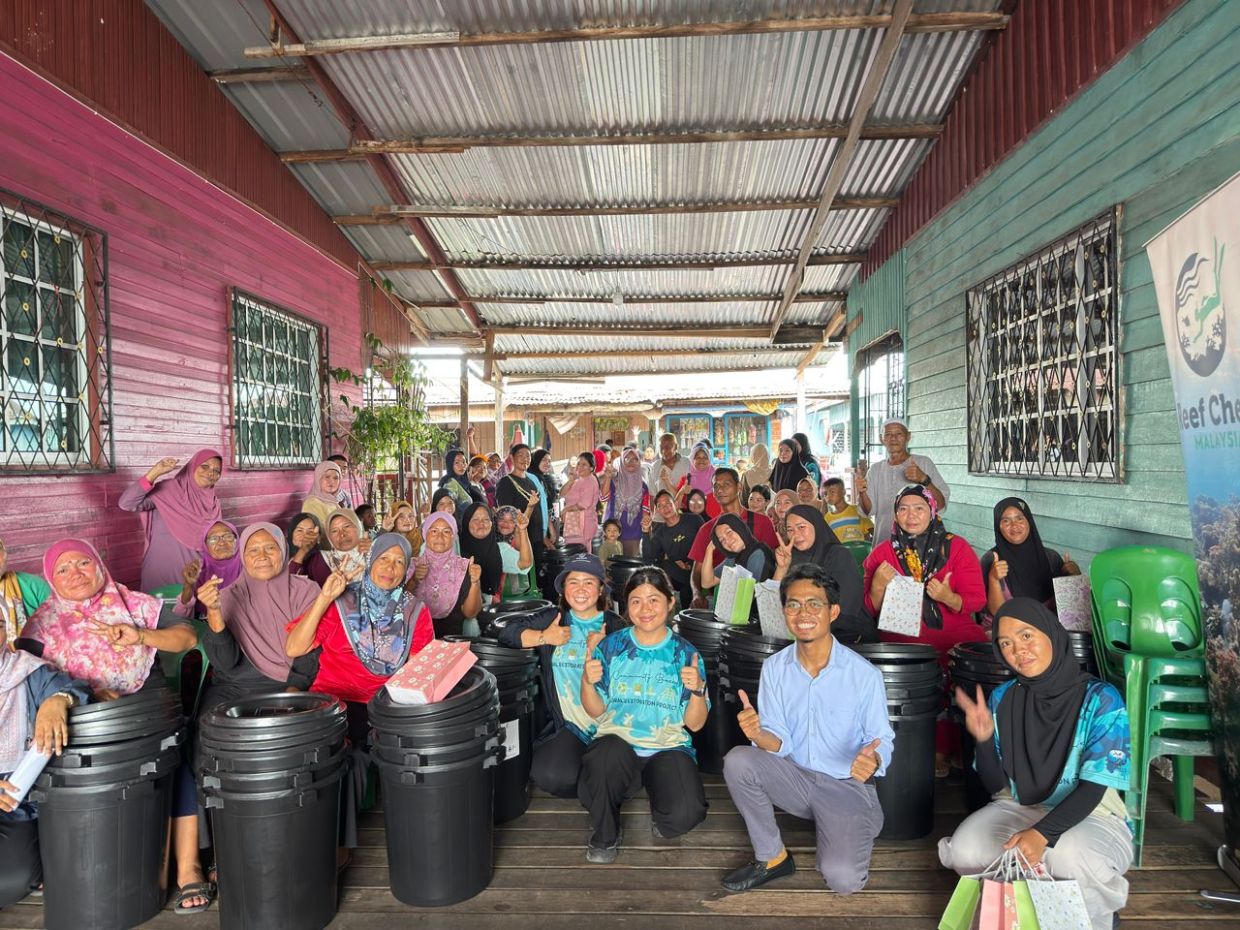
The water villages in the Semporna region of Sabah, Malaysia, are facing increasing challenges related to solid waste management, gaining media attention due to marine pollution and environmental degradation. However, a new experimental program has been launched to improve waste management and strengthen partnerships between the villages and local communities in environmental conservation efforts.
This recently launched program aims to enhance environmental awareness among local residents and provide effective waste disposal solutions. It is considered an important step towards improving environmental conditions in the region, with expectations to contribute to reducing marine pollution and improving the quality of life for residents.
Event Details
The experimental program is designed to serve as a model for how to manage waste in water villages. It includes a series of educational and awareness-raising activities aimed at promoting recycling behaviors and reducing waste. The program also provides designated waste containers and trains residents on how to use them correctly.
This program is part of broader efforts aimed at protecting the marine environment in Sabah, which is home to a diverse array of marine species and fragile ecosystems. The program demonstrates how local residents can be active partners in environmental conservation efforts, rather than merely victims of pollution.
Background & Context
The water villages in Sabah are part of the region's cultural and historical heritage, where residents live in homes built on water and rely on fishing and marine agriculture as their primary source of livelihood. However, population growth and increased tourism activity have exacerbated the waste problem, leading these villages to face significant environmental challenges.
Historically, the water villages have suffered from a lack of infrastructure necessary for waste disposal, resulting in waste accumulation in seas and oceans. This issue has significantly impacted marine life, making it an urgent matter requiring immediate intervention.
Impact & Consequences
If the experimental program succeeds in achieving its goals, it could radically change how waste is managed in the water villages of Sabah. This could contribute to improving water quality and reducing pollution, benefiting marine life and enhancing eco-tourism in the region.
Furthermore, this program could serve as a model for other areas facing similar issues, highlighting the importance of collaboration between local communities and government entities in environmental conservation efforts.
Regional Significance
Waste management is a pressing issue facing many Arab countries, with numerous coastal cities suffering from marine pollution due to waste. Successful experiences like the Sabah program can inform the development of effective waste management strategies in Arab regions, contributing to marine environmental protection and improving quality of life.
In conclusion, the experimental program in Sabah illustrates how local communities can play an active role in environmental protection. Enhancing environmental awareness and providing effective solutions are essential steps towards achieving sustainable development.