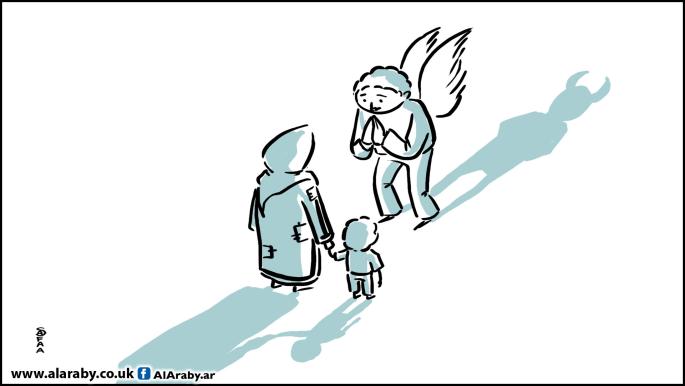
Gaza is facing increasing economic pressures, leading to the exploitation of residents' needs by some traders. Under the ongoing blockade, citizens struggle to secure their basic necessities.
Reports indicate that many traders in Gaza are taking advantage of the difficult economic conditions faced by the population, raising prices unjustifiably on essential goods such as food and medicine. This exploitation comes at a time when the sector is suffering from a severe shortage of resources due to the blockade imposed for years.
Details of the Situation
Recently, local reports have noted a significant increase in food prices, which have surpassed unprecedented levels. For instance, bread prices have risen by as much as 30%, while medicine prices have seen increases ranging from 20% to 50%, exacerbating the suffering of residents who are already enduring harsh living conditions.
This situation has driven many citizens to seek alternatives, with some relying on humanitarian aid or purchasing goods from popular markets that may be cheaper, but often lack quality.
Background & Context
Historically, Gaza has suffered from recurring economic crises due to the Israeli blockade that began in 2007. This blockade has led to a significant deterioration of the economic situation, with unemployment rates soaring to record levels, exceeding 50%, forcing residents to increasingly depend on humanitarian aid.
Pressures on Gaza's residents are mounting as political and economic crises continue, affecting trade movement and the availability of goods. In this context, traders also face difficulties in obtaining merchandise, further complicating the situation.
Impact & Consequences
The exploitation of residents' needs exacerbates social and economic crises, contributing to widening the gap between the rich and the poor. Additionally, rising prices put pressure on low-income families, which may lead to the emergence of negative social phenomena such as crime or migration.
Moreover, this exploitation can erode trust between citizens and traders, negatively impacting the local economy. Under these circumstances, frustration among youth may increase, potentially driving them towards more extreme actions.
Regional Significance
The situation in Gaza reflects the challenges faced by many other Arab regions, where countries like Lebanon and Syria are experiencing similar crises. The exploitation of people's needs during crises highlights the weaknesses of economic and social systems in the region, increasing the need for comprehensive reforms.
Ultimately, the situation in Gaza requires urgent intervention from the international community to help residents overcome these crises. Providing humanitarian and economic support can contribute to improving living conditions and reducing traders' exploitation of people's needs.