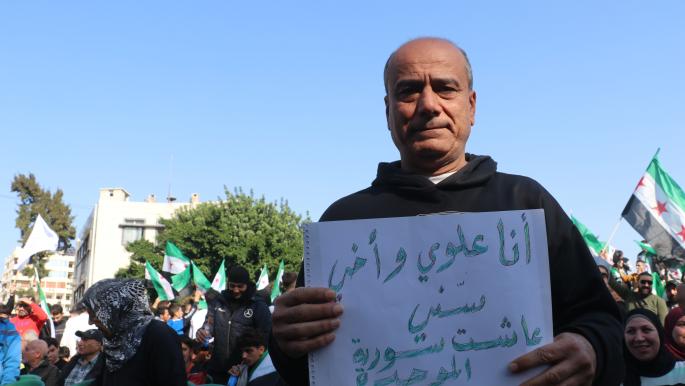
Recent events raise profound questions about feelings of betrayal and shame associated with murder. How can a person kill those they entrusted with their lives, and what are the motivations behind such behavior? If life is worth living, why is it seen as a right for some while death is deemed necessary for others?
Cases of violence and murder are increasing worldwide, prompting inquiries into the nature of human relationships. How can someone who was once considered a friend or ally turn into an enemy? This phenomenon is not new, but it is taking on new dimensions in the current circumstances.
Details of the Events
Reports indicate that many individuals who have committed murder against those they considered friends or close ones often face internal conflicts. How can a person ignore feelings of regret or shame while committing such a crime?
The reasons that may drive someone to commit such acts range from psychological and social pressures to the influences of their surrounding environment. These factors play a significant role in shaping individual behaviors.
Background & Context
Historically, human societies have undergone numerous transformations that have led to the spread of violence. From civil wars to political conflicts, betrayal has become part of the social fabric in some regions. How can societies heal from these wounds?
Historically, many cultures have had different concepts of betrayal and loyalty. Sometimes, the betrayer is seen as someone deserving punishment, while at other times, they are viewed as a victim of circumstances.
Impact & Consequences
These phenomena lead to profound consequences for societies, contributing to the dismantling of social bonds and increasing feelings of distrust. How can communities rebuild these connections?
The psychological and social impacts of these actions can be devastating, leading to widespread feelings of fear and anxiety among individuals. How can people cope with these emotions?
Regional Significance
In the Arab region, these phenomena are clearly manifested in ongoing conflicts. How might these events affect relationships between nations and peoples?
These questions are part of broader discussions about identity and belonging, as individuals seek to understand their place in a world filled with challenges.
In conclusion, questions about betrayal and murder remain open, prompting us to think about how to build more peaceful and cohesive communities. How can we restore trust among individuals?