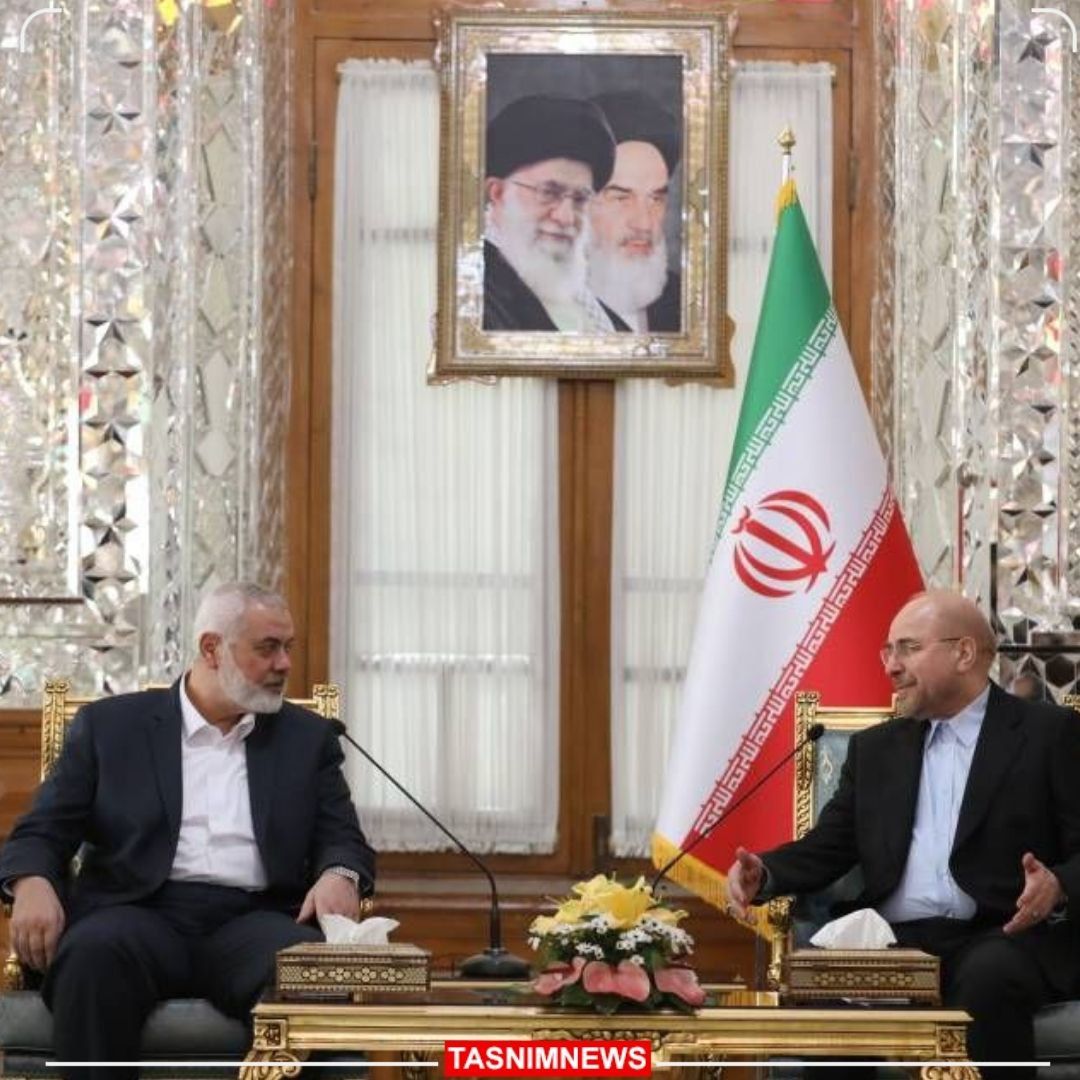
Mohammad Baqer Qalibaf, the Speaker of the Iranian Parliament, is one of the most prominent and controversial political figures in Iran. He is characterized by his hardline tendencies and Machiavellian approach, known for his effective management skills despite being linked to multiple corruption cases. Qalibaf, who boasts about personally suppressing protesters in the streets of Tehran, exemplifies the type of politician who adopts harsh methods in dealing with opposition.
It is important to note that Qalibaf has held several prominent government positions, including the mayor of Tehran, where he demonstrated administrative prowess, yet his human rights record has drawn significant criticism. His hardline stances towards popular protests reflect the Iranian regime's approach to suppressing any dissent, making him a pivotal figure in current Iranian politics.
Details of the Event
Qalibaf, considered one of the regime's most significant allies, wields considerable influence in the parliament. He was elected as the Speaker of the Parliament in 2020, where he seeks to promote the regime's hardline policies. He is also known for adopting strong positions against the West, reflecting the Iranian regime's stance in the face of international pressures.
In a related context, Qalibaf is viewed as a proponent of enhancing Iran's military capabilities, believing that it bolsters Iran's standing in the region. He is also considered a key supporter of Iran's policies in backing armed groups in the region, complicating the security situation in the Middle East.
Background & Context
Historically, Qalibaf is part of a new generation of Iranian leaders who grew up during the Islamic Revolution of 1979. Iran has undergone numerous political and social changes since then, which have influenced Qalibaf's political inclinations. He represents the hardline faction within the regime, seeking to enhance his power and influence by exploiting the current political circumstances.
Despite facing criticism, Qalibaf still enjoys strong support from certain segments of Iranian society, especially from those who see him as a model of a strong leader capable of confronting challenges. However, his ties to corruption cases are viewed as a vulnerability that could impact his political future.
Impact & Consequences
Qalibaf's hardline positions have a significant impact on Iranian politics, reflecting the regime's tendencies to suppress popular protests and enhance control over society. The suppression of demonstrators and the adoption of strict policies could exacerbate social and economic conditions in Iran, increasing internal tensions.
Moreover, Qalibaf's policies may affect Iran's relations with Western countries, as he is one of the most prominent opponents of any rapprochement with the West. Continued adherence to this approach could lead to worsening economic sanctions imposed on Iran, increasing pressure on the regime.
Regional Significance
Qalibaf's persona poses a significant challenge to many Arab countries, as he is considered one of the main supporters of armed militias in the region. His hardline policies could escalate tensions in relations between Iran and Arab states, especially amid ongoing crises in Iraq, Syria, and Lebanon.
Furthermore, Qalibaf's push for enhancing Iran's military capabilities is a source of concern for Arab nations, fearing that it could lead to an escalation of conflicts in the region. The continuation of this approach may contribute to increasing divisions between Arab states and Iran, complicating the security situation in the area.
In conclusion, Mohammad Baqer Qalibaf is a central figure in Iranian politics, representing the hardline faction that seeks to enhance its power and influence. His hardline stances could significantly affect both domestic and foreign conditions in Iran, making it essential to monitor his movements to understand the future of Iranian politics.