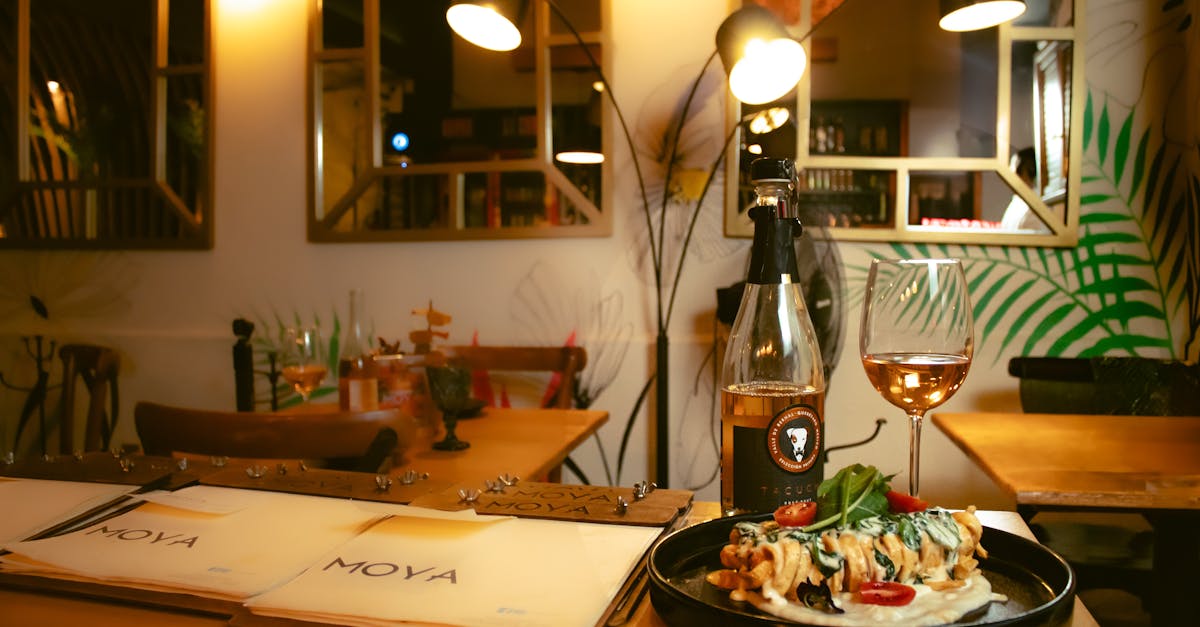
Dining alone is gaining popularity in restaurants, with OpenTable reporting a 19% increase in individual reservations globally. This trend reflects a shift in societal views towards solo dining, making it sometimes more social than dining with friends.
In a personal exploration, a journalist decided to delve into her feelings about dining alone at a small Japanese restaurant in Tokyo. Despite the language barrier complicating communication, the intimate atmosphere of the restaurant made her feel observed, heightening her anxiety.
Details of the Experience
The experience of dining alone is unique. Initially, one may feel uncomfortable or shy, but over time, this experience can transform into an opportunity for reflection and enjoyment of the moment. Reports indicate that dining alone in upscale restaurants still carries some social stigmas, as it is sometimes perceived as a sign of loneliness or social ineptitude.
However, this perception seems to be changing. According to Tan Wei Han, the Executive Director for Asia and the Middle East at OpenTable, there is a noticeable increase in the number of people choosing to dine alone, indicating a shift in food culture.
Background & Context
Historically, dining in Eastern societies has been considered a communal activity, where friends and family gather around a single table. However, with social and economic changes, individuals have begun seeking more personal experiences. In recent years, many restaurants have emerged that cater to solo diners, reflecting a transformation in food culture.
This phenomenon is part of global trends promoting independence and personal empowerment. In many major cities, restaurants are offering tailored options for individuals, making it easier for them to enjoy the experience of dining alone without feeling embarrassed.
Impact & Consequences
This phenomenon affects how individuals interact with their social environment. Dining alone can be a comfortable experience, allowing individuals the chance to relax and reflect on their lives. Additionally, this experience may enhance individuals' ability to enjoy their own time without relying on others.
Nevertheless, some challenges remain. Many feel apprehensive about being judged by others, which may prevent them from trying solo dining. Therefore, it is essential to foster a culture that accepts dining alone as a legitimate choice.
Regional Significance
In the Arab world, dining alone still carries some social stigmas. However, with the increasing number of restaurants offering options for individuals, this trend may change. This phenomenon could contribute to promoting a culture of independence and personal empowerment in Arab communities.
Ultimately, dining alone can be a rich and enjoyable experience, providing individuals with the opportunity to relax and enjoy their own time. It is important to embrace this phenomenon as part of the evolution of our food culture.