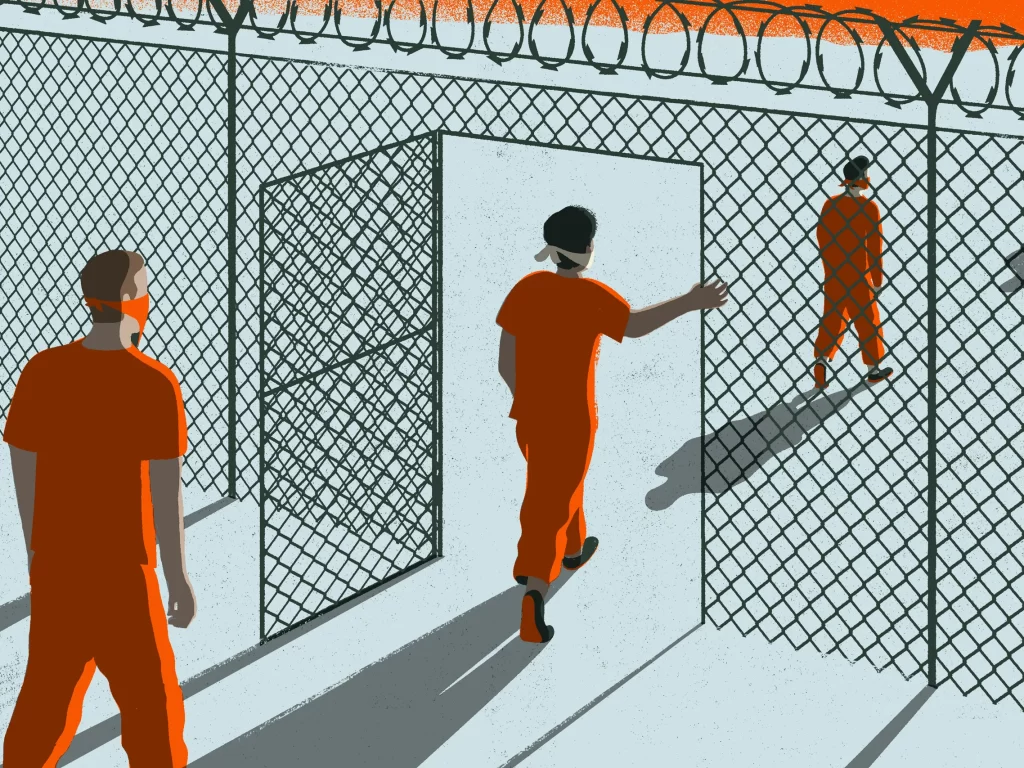
Many countries are striving to facilitate early release procedures for prisoners, opening the door to questions about how this can be achieved. In light of changing economic and social conditions, early release has become an increasingly important topic, aiming to reduce overcrowding in prisons and provide new opportunities for inmates.
There are multiple reasons that may prompt authorities to decide on the early release of prisoners, including good behavior, rehabilitation programs, and health conditions. Additionally, there are legal and social considerations that play a role in this context, making the matter complex and requiring careful study.
Details of the Event
Reports indicate that many countries have begun reviewing their laws regarding early release, as they seek to improve the criminal justice system. For example, legal amendments have been introduced in some countries allowing for the early release of prisoners who have served a significant portion of their sentence and demonstrated positive behavior during their detention.
Typically, the mechanisms for early release involve a comprehensive assessment of the prisoner, including their criminal record, behavior within the prison, and readiness to reintegrate into society. Social and economic factors that may affect the prisoner’s ability to adapt after release are also considered.
Background & Context
Historically, prisons were viewed solely as places of punishment, but in recent decades, the focus has shifted towards rehabilitating prisoners. This shift reflects a deeper understanding of the importance of providing new opportunities for inmates, which helps to reduce crime rates after release.
In many countries, rehabilitation programs have been implemented to teach prisoners new skills, facilitating their reintegration into society post-release. These programs include vocational training, education, and psychological support, contributing to lower recidivism rates.
Impact & Consequences
Early release of prisoners can have both positive and negative effects on society. On one hand, it can help reduce overcrowding in prisons and provide financial resources for the state. On the other hand, it may raise concerns among some community members regarding public safety.
Therefore, it is essential that early release programs are implemented thoughtfully, taking into account all influencing factors. There should be mechanisms in place to monitor released prisoners to ensure they do not revert to criminal behavior.
Regional Significance
In the Arab region, policies regarding early release vary from one country to another. Some countries have begun adopting more flexible policies, while others still face challenges in this area. This variation reflects the cultural, social, and economic differences among countries.
Improving the early release system can have a positive impact on social stability in the region, as it helps to reduce crime rates and enhances the opportunities for rehabilitating prisoners. It also reflects the commitment of countries to improve their criminal justice systems and provide new opportunities for inmates.
In conclusion, early release of prisoners remains a complex issue that requires a delicate balance between justice and security. It is important for countries to continue reviewing their policies and developing effective rehabilitation programs to ensure the success of these initiatives.