Concerns are rising regarding the spread of corruption within government institutions, as information circulates about illegal methods for recovering confiscated assets, including bribing government employees. This phenomenon raises significant alarm in society and questions the integrity of the judicial system.
Recently, rumors have spread on online platforms urging individuals to use illegal methods to reclaim their confiscated property. This information, circulated through social media, suggests that some individuals can recover their assets by paying bribes to state officials, reflecting a crisis of trust in government institutions.
Details of the Incident
Reports indicate that there are websites claiming to provide information on how to recover confiscated assets through illegal means. These sites promote the idea that bribery could be a quick solution for reclaiming property, which constitutes a violation of laws and ethics.
These websites contain misleading information that may exacerbate the problem rather than solve it, encouraging individuals to take illegal steps that could expose them to legal accountability. Additionally, this phenomenon reflects a lack of oversight over illegal activities in some countries.
Background & Context
Historically, many Arab countries have witnessed similar cases of corruption and abuse of power, where bribery has been used as a means to obtain rights or recover property. This phenomenon is not new, but it is noticeably increasing amid the economic and political crises many countries are experiencing.
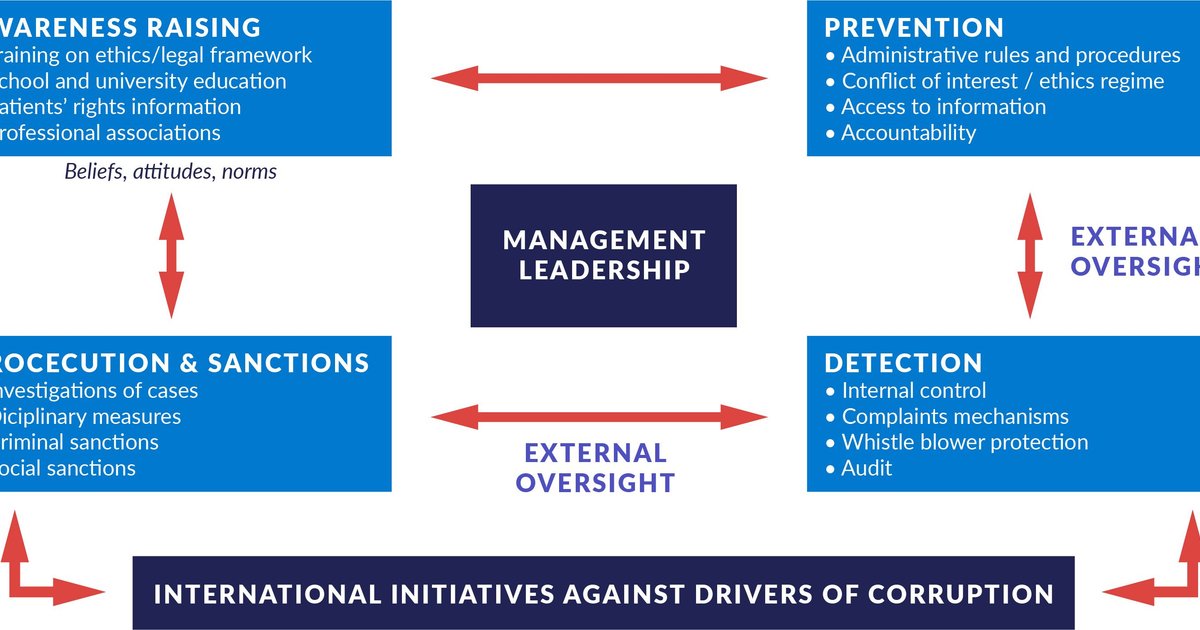
Combating these phenomena requires collective efforts from civil society and governments to enhance transparency and accountability. Governments must also work to improve their judicial systems to ensure the protection of citizens' rights and prevent corruption.
Impact & Consequences
This phenomenon leads to the proliferation of corruption in society, negatively affecting trust between citizens and the state. When individuals feel the need to pay bribes to reclaim their rights, it erodes trust in government institutions.
Moreover, the prevalence of these practices can adversely affect both foreign and local investment, as investors tend to avoid entering markets plagued by corruption and lack of transparency. This situation could lead to economic deterioration and increased poverty rates.
Regional Significance
This phenomenon serves as a wake-up call for Arab countries suffering from corruption. Governments must take this issue seriously and work on developing effective strategies to combat corruption and enhance transparency.
Strengthening integrity within government institutions can contribute to improving the economic and social situation in the region, benefiting all citizens. Additionally, cooperation among Arab countries in the fight against corruption could have a positive impact on regional stability.
In conclusion, recovering confiscated assets through illegal methods is not a solution but rather a problem that requires fundamental addressing. Society and governments must work together to combat corruption and promote justice.