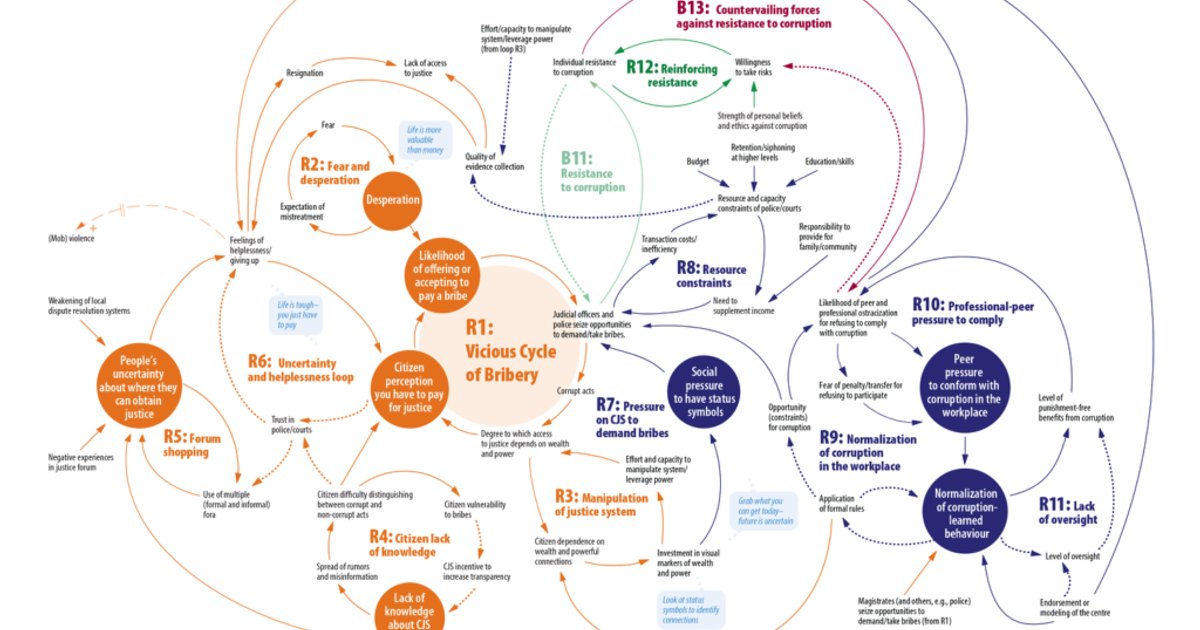
Concerns over corruption in judicial systems are rising globally, as some individuals resort to illegal means to reclaim seized assets. Among these methods is bribing government officials, which ignites widespread debate about the impact of such practices on justice.
In many countries, seized assets are a result of legal or criminal violations, yet some individuals seek to recover them through illicit means, reflecting the legal system's vulnerability to corruption.
Details of the Issue
Reports indicate that some individuals resort to paying bribes to officials responsible for managing seized assets, allowing them to recover their properties illegally. This phenomenon is not new, but it is becoming more pronounced in countries suffering from weak legal institutions.
These practices involve offering monetary sums or gifts to officials, contributing to a culture of corruption and leading to the proliferation of this phenomenon within society. Such actions damage the reputation of judicial systems and negatively affect citizens' trust in justice.
Background & Context
The history of corruption in judicial systems dates back decades, with numerous attempts made to combat this phenomenon. However, many countries continue to struggle with weak law enforcement, making it easier for individuals to resort to illegal methods to reclaim their rights.
The reasons for corruption range from weak government oversight to the absence of effective accountability mechanisms for officials, making it difficult for citizens to achieve justice. In some cases, these practices are supported by political entities seeking to enhance their influence.
Impact & Consequences
These practices lead to serious consequences for society, as they contribute to the spread of corruption and the erosion of trust in institutions. Additionally, this phenomenon exacerbates inequality, as the wealthy can recover their assets more easily than the poor.
Such actions result in the proliferation of corruption across various sectors, adversely affecting economic and social development. Furthermore, this phenomenon fosters political instability, as public discontent with rampant corruption increases.
Regional Significance
In the Arab region, this phenomenon is one of the most pressing challenges facing governments. Many countries suffer from widespread corruption in judicial systems, leading to a deterioration of trust between citizens and the state.
Some governments are attempting to address this issue through legal reforms, but the results remain modest. Genuine efforts are required to combat corruption and enhance transparency in government institutions.
In conclusion, recovering seized assets through illegal means highlights the urgent need for judicial reforms and enhanced transparency. Governments must take effective steps to combat corruption and restore citizens' trust in justice.