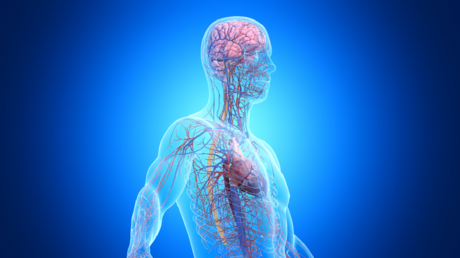
Recent studies indicate that our understanding of the human body may be incomplete, as anatomy books only reflect a partial picture. This raises questions about how we learn about our biological structure.
While it is believed that everything about the human body has been discovered, research suggests that many aspects remain mysterious. Despite significant advancements in anatomy and biology, many intricate details regarding how our bodies function still require further investigation and study.
Event Details
There is increasing evidence that traditional anatomy books, which are used in medical education, do not fully reflect the biological complexity of the human body. While these books provide valuable information about organs and systems, they lack details related to biochemical interactions and vital processes occurring within the body.
For instance, research indicates that our understanding of the human microbiome, which is the collection of microorganisms living in our bodies, is still in its early stages. These organisms play a vital role in our health, yet they are not adequately included in current educational curricula.
Background & Context
Historically, anatomy books were considered the primary source of information about the human body. However, advancements in technology, such as MRI and CT imaging, have contributed to new insights into how the body works. These modern techniques allow scientists to study tissues and organs with greater precision, revealing details that were previously unknown.
Moreover, advancements in genomics have added a new dimension to our understanding of the human body. Gene analysis shows how genetic changes can affect health and disease, prompting a reevaluation of how anatomy is taught.
Impact & Consequences
These new discoveries necessitate a comprehensive reassessment of educational curricula in medical schools. Modern information about the microbiome and biochemical processes must be integrated into medical education to ensure that future doctors are equipped with the knowledge necessary to understand the complexities of the human body.
Additionally, these changes may impact how diseases are diagnosed and treated. With a deeper understanding of biological interactions, doctors can develop more effective therapeutic strategies tailored to the individual needs of patients.
Regional Significance
In the Arab region, where there is an increasing need to develop healthcare systems, updating medical curricula is of utmost importance. These curricula should reflect global scientific advancements to ensure that Arab doctors possess the knowledge required to tackle contemporary health challenges.
Furthermore, enhancing scientific research in the fields of biology and anatomy can contribute to improving healthcare standards in Arab countries, bolstering their capacity to address epidemics and chronic diseases.
In conclusion, our understanding of the human body is still evolving, requiring us to remain open to new information. We must reconsider how we learn about our bodies to ensure that we are equipped with the knowledge necessary to better understand our health.