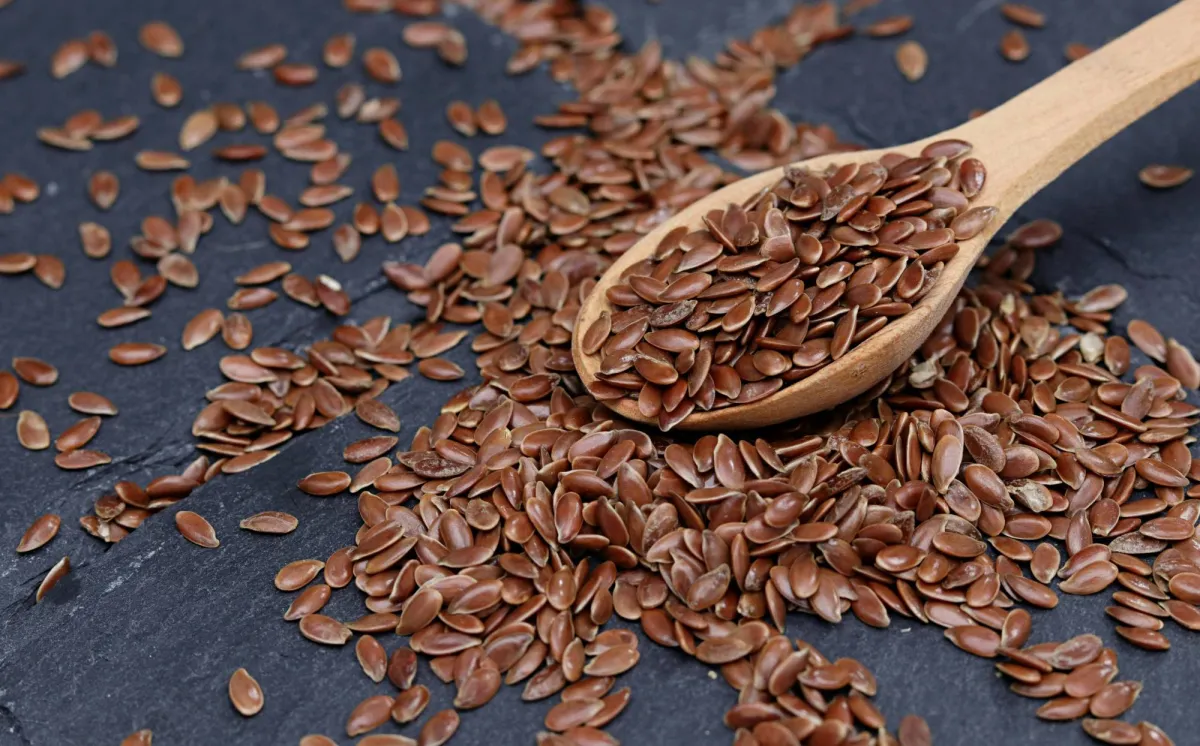
Seeds are essential nutritional elements that play a crucial role in regulating blood sugar levels, especially for individuals at risk of diabetes. Their rich composition of fiber, proteins, and healthy fats helps slow down digestion, thereby preventing sudden spikes in sugar levels.
There are various types of seeds that can contribute to improving blood glucose levels, among which are chia seeds, flaxseeds, pumpkin seeds, sunflower seeds, and fenugreek seeds. Health reports indicate that these types can enhance metabolic stability and assist in controlling sugar levels.
Details on Nutritional Benefits
Chia seeds are among the most nutrient-dense food options, containing high levels of fiber and protein. When consumed, they absorb fluids in the digestive system, forming a gel-like substance that slows digestion and limits blood sugar spikes. Some studies have shown that regular consumption of chia seeds can help slow sugar absorption after meals.
Flaxseeds are also rich in fiber, and research has shown that consuming them, whether ground or in oil form, can help lower sugar levels and reduce the risk of developing type 2 diabetes. Flaxseeds contain plant compounds known as lignans, which have antioxidant and anti-inflammatory properties.
Background & Context
Pumpkin seeds are a rich source of nutrients such as fiber, magnesium, and zinc. Studies suggest that consuming 57 grams of pumpkin seeds with a carbohydrate-rich meal may help lower blood sugar levels. Magnesium, found in pumpkin seeds, plays a crucial role in converting food into energy, and research indicates that magnesium-rich diets may reduce the risk of type 2 diabetes.
Despite the need for further research, some studies indicate that regular consumption of sunflower seeds may contribute to lowering blood sugar levels. These seeds contain chlorogenic acid, a plant compound with antioxidant properties that may help reduce inflammation and regulate sugar levels.
Impact & Consequences
Fenugreek seeds are extracted from a plant known for its medicinal properties and are sometimes used as a dietary supplement to support diabetes patients. Some evidence suggests that they may improve the body's sensitivity to insulin, aiding in the regulation of blood sugar levels. However, more studies are needed to confirm their direct effectiveness in lowering blood sugar.
These findings highlight the importance of incorporating seeds into the daily diet, especially for individuals seeking to maintain stable blood sugar levels. Seeds are not only a rich source of nutrients but also play a role in enhancing overall health.
Regional Significance
This information is particularly important in the Arab region, where diabetes rates are rising. Raising awareness about the benefits of seeds can promote healthy eating habits, helping to reduce health risks associated with elevated blood sugar levels. By integrating these nutrient-rich foods into their diets, individuals can improve their overall health and prevent chronic diseases.
In conclusion, incorporating seeds into the diet is an effective step towards improving overall health and regulating blood sugar levels. Individuals should consult nutrition specialists to determine appropriate amounts and how to integrate them into their daily meals.