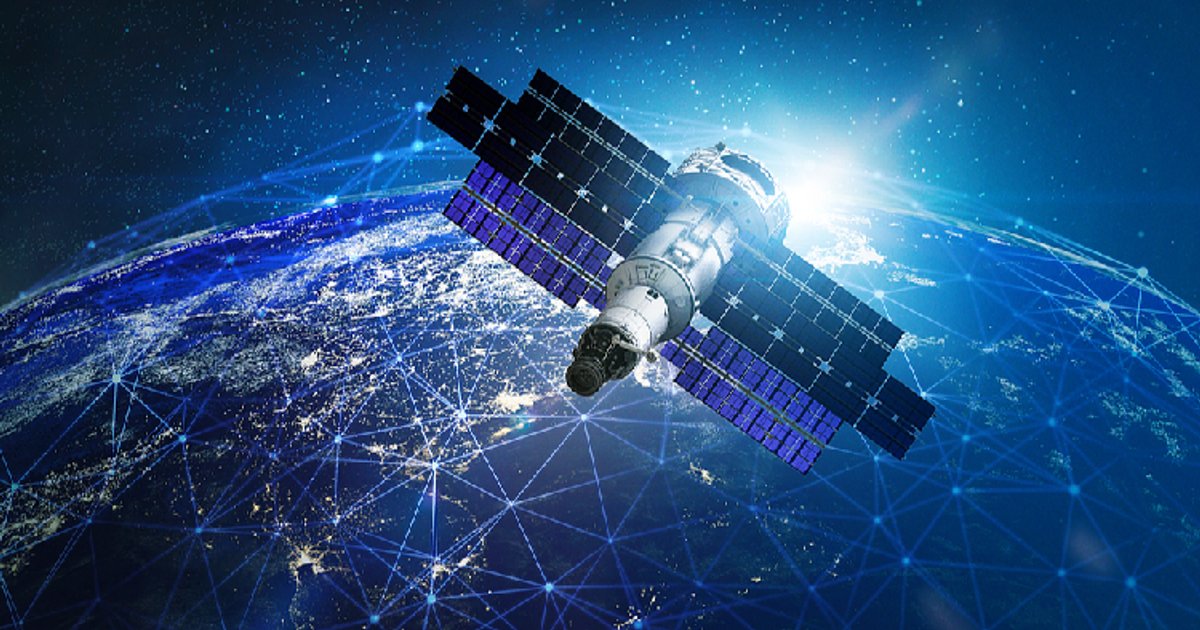
The concept of space computing is gaining attention as a new frontier in technology. This innovation involves relocating computing power to orbit, opening new avenues for technological advancement and innovation. Many companies and countries are striving to leverage this technology to enhance their capabilities across various fields, from scientific research to commercial applications.
Space computing is considered a revolution in how data is processed. Instead of relying on traditional terrestrial data centers, satellites and devices in space can now provide greater and faster computing power. This shift can contribute to improved performance and increased efficiency in many areas, including communications, scientific research, weather forecasting, and even artificial intelligence.
Event Details
Space computing involves the use of advanced technologies such as artificial intelligence and machine learning, allowing for the analysis of vast amounts of data more quickly and accurately. The presence of these technologies in space can also facilitate access to data from remote or hard-to-reach areas on the Earth's surface.
Major companies like SpaceX and Amazon are working on projects related to space computing, investing heavily in developing the necessary infrastructure to support this technology. These investments are expected to enhance the services provided to users and increase reliance on advanced technological solutions.
Background & Context
Historically, computing was limited to devices on Earth, but with rapid technological advancements, scientists and researchers began to consider the possibility of using space as a new computing platform. The concept of space computing dates back several years, but recent developments in space technologies have made this dream achievable.
In recent years, there has been a noticeable increase in the number of satellites orbiting the Earth, providing new opportunities for data collection and analysis. These satellites are not only for communication purposes but have also become powerful tools for computing and data analysis.
Impact & Consequences
Space computing could lead to radical changes in how data is processed and stored. This technology is expected to improve the speed and efficiency of digital services, positively impacting the global economy. Additionally, using space as a computing platform may reduce costs associated with terrestrial infrastructure.
Furthermore, space computing could enhance scientific research, especially in areas such as space and environmental studies. By analyzing data from space, scientists can gain new insights into climate change and natural events, aiding better decision-making in resource management.
Regional Significance
For the Arab region, space computing represents a significant opportunity to enhance innovation and technological development. Many Arab countries have begun investing in space projects, such as the United Arab Emirates, which launched the Hope Probe to explore Mars. These projects can enhance Arab countries' ability to utilize modern technology across various fields.
Moreover, collaboration among Arab countries in the field of space can contribute to strengthening scientific and technological capabilities, opening new horizons for sustainable development in the region.
In conclusion, space computing is not just a new idea; it is a step towards a more advanced technological future. As developments in this field continue, we can expect radical changes in how technology is utilized in our daily lives.