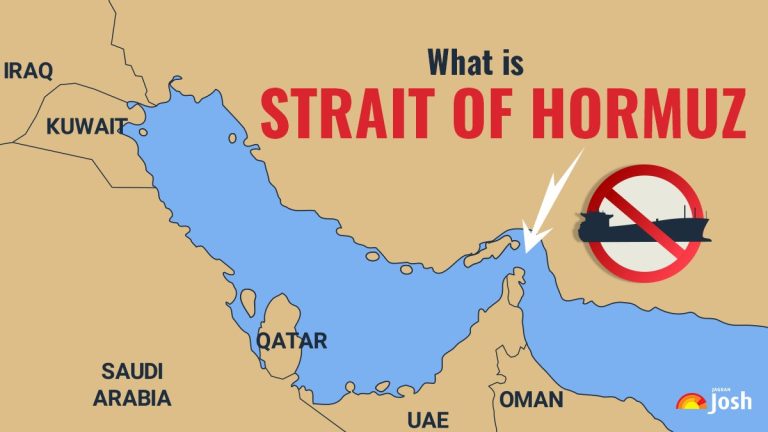
The Strait of Hormuz has been a vital meeting point for global maritime powers since the dawn of the modern era. Persia, under the rule of the Safavid Empire, attracted the attention of European explorers and diplomats, particularly the Portuguese, who reached the Indian Ocean in the early 16th century.
During this period, the Portuguese recognized that controlling trade in the Indian Ocean was incomplete without dominance over strategic maritime passages, with the Strait of Hormuz serving as the main gateway for trade from the Gulf and Persia to the Indian Ocean.
Details of the Historical Event
In 1507, naval commander Afonso de Albuquerque led a maritime campaign towards the Gulf and managed to establish Portuguese sovereignty over the island of Hormuz by 1515, making it a strategic base for the Portuguese Empire. At that time, Hormuz was one of the most important trading ports in the world, acting as a junction for trade between India, Persia, and the Arab world.
Portuguese explorers described Hormuz as a wealthy city, where ships docked laden with spices, silk, and pearls. They understood that controlling Hormuz meant controlling the flow of goods and wealth between the Asian and European continents.
Context and Background
Portugal did not rely solely on military power to establish its influence; it built a network of explorers and envoys who documented the details of commercial and political life in the region. Among these explorers was Duarte Barbosa, who described Hormuz as a vital trading center, and Tome Pires, who provided valuable insights into the political and economic relations in the Indian Ocean.
These journeys transcended mere description, becoming part of an intelligence knowledge system, where explorers gathered information about ports and markets, helping the Portuguese understand the political and economic balances in the region.
Consequences and Impact
With the decline of Safavid influence in the 17th century, the region witnessed significant changes in regional balances, especially with the rise of local powers. The Safavids regained Hormuz in 1622 with English support, leading to a reshaping of balances in the area.
During the 17th and 18th centuries, European competition intensified, particularly from Britain and the Netherlands, for control over maritime trade routes. This led to the strengthening of British influence in the Gulf during the 19th century, as Britain worked to secure maritime passages to India.
Impact on the Arab Region
With the onset of the 20th century, the discovery of oil marked a turning point in the importance of the Gulf, transforming it into a vital center for global energy. As European colonial powers withdrew, the United States emerged as a major force in the region, reshaping the balance of influence.
Since the late 20th century, the region has entered a new phase of tensions, particularly following the Iranian Revolution in 1979, which heightened the sensitivity of the Strait of Hormuz. Today, the strait remains a strategic hub in the struggle for trade, energy, and influence.
Historical events demonstrate that control over maritime passages has always been linked to a precise understanding of geography, politics, and trade. The Strait of Hormuz remains a living example of geopolitical conflict over strategic passages, where the past meets the present in a long story of competition for the keys to global trade.