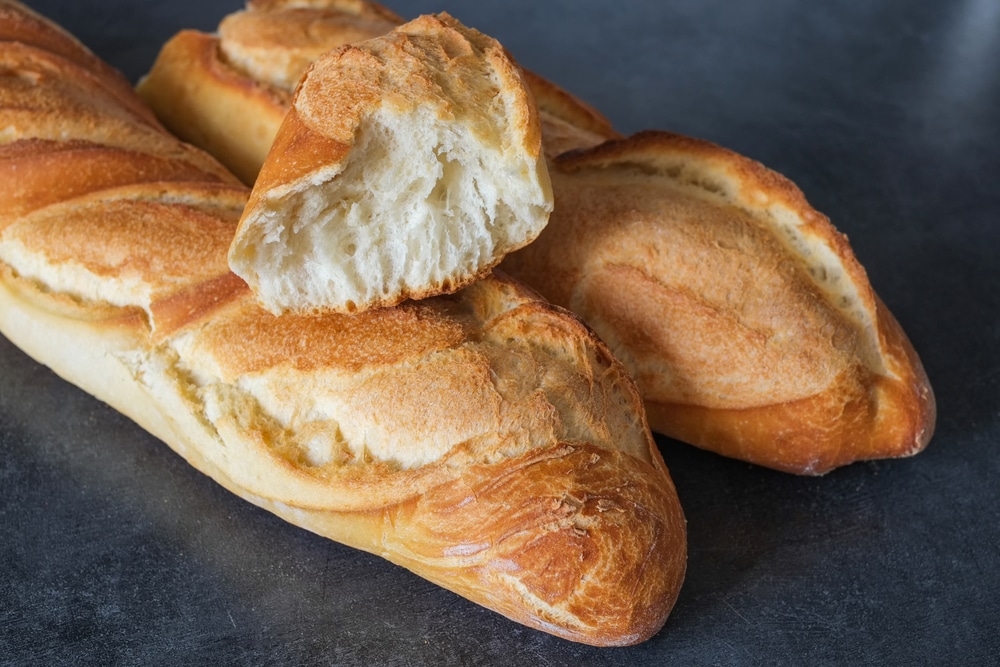
The French baguette stands out as one of the most iconic elements of French cuisine, adding a special touch to daily meals. This bread is characterized by its crispy crust and airy texture, making it a preferred choice for many. The baguette is an integral part of the food culture in France, consumed daily in homes and restaurants.
The preparation of the baguette begins with selecting the essential ingredients, which include flour, water, salt, and yeast. These ingredients are mixed carefully, and the dough is allowed to rise adequately. After that, the dough is shaped into its distinctive long form and baked in a hot oven to achieve the golden, crispy crust.
Pricing Details of Baguettes in France
The prices of baguettes in France range between 1 and 2 euros, depending on the region and type of bakery. In major cities like Paris, prices can reach up to 2.5 euros, while lower prices can be found in rural areas. The baguette is considered a part of the daily routine for the French, typically purchased in the morning to accompany breakfast or lunch.
Traditional bakeries, known as boulangeries, are the primary source of baguettes. Traditional techniques are employed in the preparation, ensuring high quality and a distinctive taste. Many French people prefer to buy baguettes from local bakeries rather than commercial chains, viewing it as a way to support the local economy.
Historical Context of the Baguette
The history of the baguette dates back to the nineteenth century when it began to emerge as a daily bread in France. It is believed that the baguette was developed in response to the growing needs of urban life, where lighter and more portable bread was preferred. Over the years, the baguette has become a symbol of French culture and is regarded as part of the national identity.
There are various types of baguettes, including whole grain baguettes and multigrain baguettes, allowing people to choose according to their tastes and dietary needs. The baguette is also used in the preparation of many traditional French dishes, such as sandwiches and appetizers.
Economic Impact and Consequences
The prices of baguettes directly affect the budgets of French households, especially amid rising living costs. The baguette is considered a staple food; thus, any increase in its price can lead to economic and social repercussions. In recent years, France has witnessed a rise in food prices, prompting the government to take measures to support low-income families.
Traditional bakeries also face threats due to competition from commercial chains, which could impact the French cultural heritage. Therefore, preserving the traditions of baguette making is deemed essential for maintaining French cultural identity.
Influence on the Arab Region
The French food culture, including the baguette, serves as an inspiration for many Arab countries. The Arab cuisine is witnessing an increase in the use of French bread, especially in upscale restaurants. There is also a growing interest in learning the art of French bread-making in Arab countries, reflecting the influence of French culture in the region.
In conclusion, the French baguette remains a symbol of cultural and culinary heritage in France, reflecting age-old traditions that span centuries. Understanding how it is prepared and its pricing helps appreciate this unique bread and its role in the daily lives of the French.