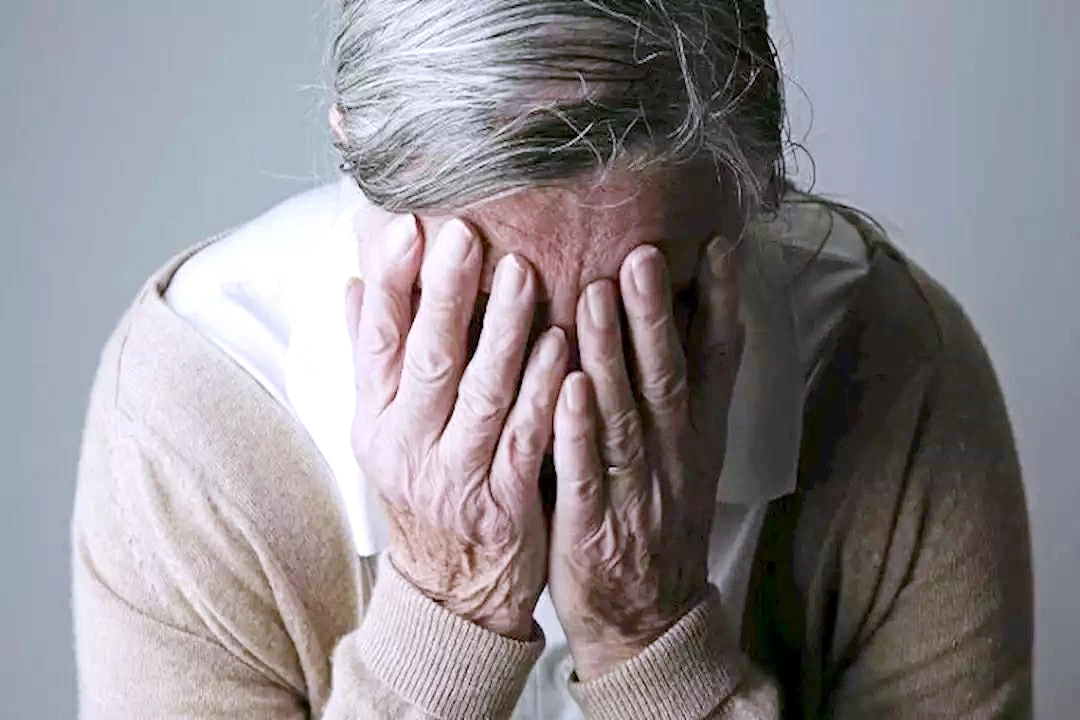
Recent studies in psychology, including research published in the Journal of Aging Studies, show that laughter plays a dual role in the lives of the elderly. It can be an effective means of psychological adaptation, yet it may also signal unacknowledged social isolation. The findings suggest that laughter acts as a defensive mechanism helping seniors cope with psychological stress, but it may also conceal feelings of loneliness and social withdrawal.
Research confirms that social context is the key factor in determining the value of laughter. When laughter is associated with genuine social interaction, it becomes healthy and beneficial. However, if it turns into an isolated individual behavior, it loses its value and becomes a sign of isolation.
Event Details
Understanding psychological behaviors in their full context is increasingly important, especially in old age. Experts believe that strengthening social ties is the most crucial factor in improving the quality of life for seniors. When individuals feel they are part of a community, it contributes to enhancing their mental and physical health.
Studies indicate that laughter can have positive effects on overall health, such as reducing stress levels and boosting immunity. However, this laughter must stem from genuine social interactions, not merely individual behavior.
Context and Background
The number of elderly individuals in Arab communities is rising, making it essential to understand their psychological and social needs. In many cultures, laughter is a means of communication and interaction, but with increasing social isolation, laughter may become just a mask that hides feelings of loneliness.
Historically, communities relied on strong social bonds to support the elderly, but social and economic changes have led to a decline in these connections. Therefore, understanding the role of laughter in these contexts is crucial for improving the quality of life for seniors.
Implications and Effects
The results show that enhancing social connections can have positive effects on the mental health of the elderly. When individuals feel surrounded by caring people, it reduces feelings of loneliness and enhances their ability to cope with psychological challenges.
It is also important to provide social environments that encourage positive interactions among seniors. Social activities and community programs can help strengthen social bonds, leading to improved quality of life.
Impact on the Arab Region
In the Arab region, where the number of elderly individuals is increasing, it becomes essential to raise awareness about the importance of social connections. Social policies can support the elderly by providing environments that encourage social interaction.
Moreover, enhancing understanding of the role of laughter in the lives of seniors can aid in developing psychological and social support programs that meet their needs. Through this, the quality of life and mental health of the elderly in Arab communities can be improved.
In conclusion, laughter is a powerful tool that can reflect the psychological state of the elderly. However, this laughter must arise from genuine social interactions, not merely individual behavior that reflects isolation. Strengthening social ties remains the key to improving the quality of life for this segment of society.