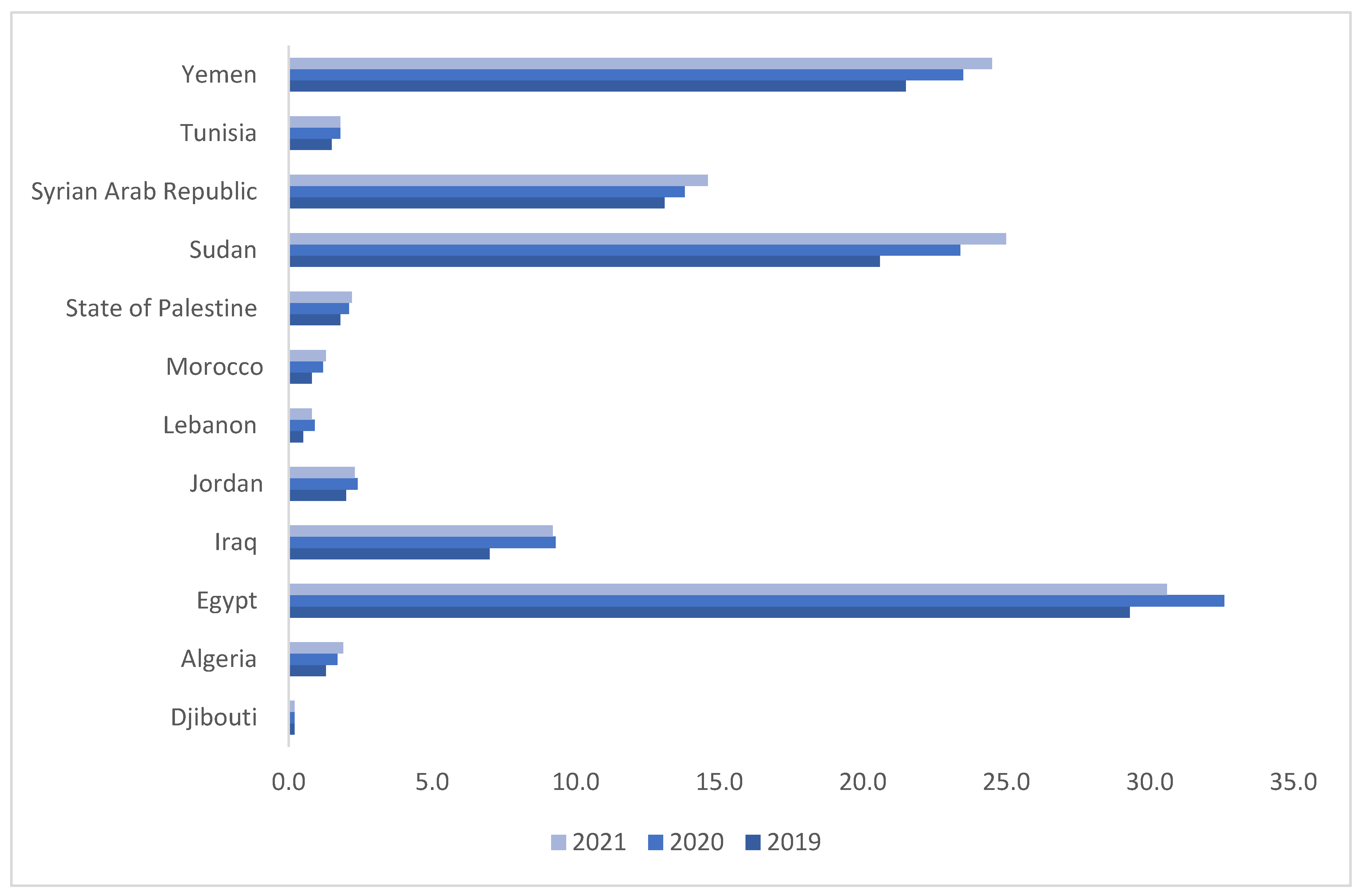
The relationship between the state and society is vital in shaping national identity, as each represents an integral part of the other. This relationship reflects the social and political interactions that affect the stability and development of the state.
Studies indicate that the state is not merely a political entity but embodies a set of values and principles embraced by society. The state represents the legal and political frameworks that organize individuals' lives, while society reflects the culture and traditions that shape citizens' identities.
Details of Recent Developments
In recent years, many Arab countries have witnessed significant transformations in the relationship between the state and society. Political and social changes have led to a reevaluation of this relationship, impacting the stability and security of nations. For instance, some countries have experienced popular protests demanding political and social reforms, reflecting society's desire for active participation in decision-making.
Moreover, the economic and social crises faced by some Arab nations have contributed to raising societal awareness regarding the importance of this relationship. It has become clear that the stability of the state heavily relies on community interaction and participation in political life.
Context and Historical Background
Historically, the relationship between the state and society in the Arab world has often been characterized by tension. Political regimes have imposed restrictions on public freedoms, leading to a decline in society's role in political life. However, the Arab revolutions that began in 2011 demonstrated the power of society and its ability to influence governance paths.
It is noteworthy that these revolutions were not merely reactions to economic and political conditions but were expressions of society's aspirations for freedom and justice. These transformations have contributed to reshaping the relationship between the state and society, highlighting the urgent need to adopt policies that encourage community participation and enhance citizens' roles in political life.
Consequences and Implications
The reevaluation of the relationship between the state and society has multiple implications. On one hand, strengthening this relationship can lead to greater political stability, as citizens feel they have a voice in decision-making. On the other hand, political regimes may face new challenges in addressing the growing demands of society.
Furthermore, enhancing the relationship between the state and society can contribute to improving public services and promoting sustainable development. Community participation in policymaking can lead to more effective solutions to the challenges facing nations.
Impact on the Arab Region
The relationship between the state and society in Arab countries serves as a model that can influence the stability of the entire region. Countries that manage to strengthen this relationship may witness greater economic and social growth, contributing to improving the living standards of citizens.
Conversely, countries that fail to achieve this balance may face political and social crises that affect their stability. Therefore, strengthening the relationship between the state and society is vital not only for the state itself but for the Arab region as a whole.
In conclusion, it is evident that the state and society are two sides of the same coin, where building a sustainable and promising future requires enhancing this relationship to ensure individuals' rights and strengthen their role in political life.