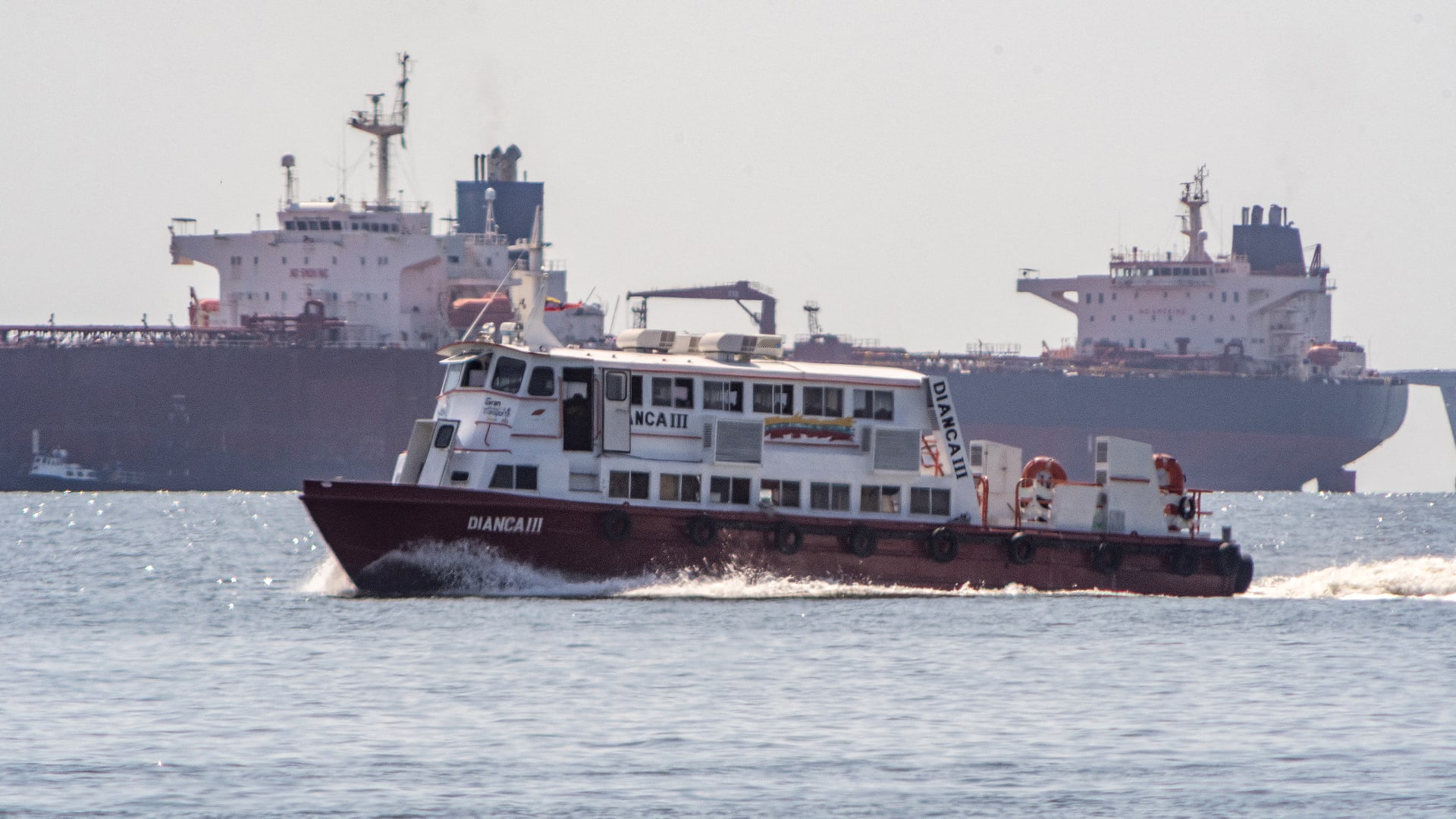
The shores of Sharjah in the United Arab Emirates witnessed an unprecedented incident as reports emerged of an explosion near an oil tanker in a strategic area that could impact maritime traffic in the Arabian Gulf. According to the UK's Maritime Trade Operations (UKMTO), the explosion occurred about 15 nautical miles north of Sharjah city, indicating that the cause of the blast was an unidentified projectile.
This incident has raised significant concerns among shipping and maritime navigation circles, prompting the relevant authorities to issue warnings to vessels in the area to exercise caution and monitor developments related to the investigation of the incident. This development is part of a series of events that have recently taken place in the Gulf region, which is experiencing increased tensions amid geopolitical conflicts.
In the context of these events, the explosion comes at a very sensitive time, as several countries in the region are facing escalating tensions, particularly between the UAE and Iran. The past few years have witnessed a notable increase in military activities and mutual provocations, making the region more volatile. Although the UAE is considered one of the most stable countries in the Gulf, recent events suggest that this stability may be put to the test.
The potential ramifications of this explosion extend beyond the direct impact on maritime traffic; it could affect global energy markets and heighten concerns about the safety of marine navigation. In 2019, several tankers were attacked in waters near the Strait of Hormuz, leading to a significant rise in global oil prices. Such incidents compel the international community to scrutinize maritime security in the Gulf, particularly as most of the oil produced in Gulf countries passes through these waterways.
The psychological and social impact in the Arab world resulting from these events cannot be overlooked. The multiple conflicts, ranging from humanitarian crises in Yemen to ongoing tensions in Syria and Libya, create a challenging situation in the region. The recent explosion could evoke other economic and social crises to the surface.
At the same time, the international response to the increasing tensions in territorial waters puts Arab countries in a difficult position to maintain their interests and ensure the transit of energy. Bilateral relations between Gulf states and major powers, such as the United States, play a pivotal role in managing this tension.
In light of these developments, there is an urgent need to enhance security cooperation among the nations bordering the Arabian Gulf to protect vital maritime corridors and avoid any escalation that could lead to broader conflicts. Incidents like this reaffirm that security challenges are not limited to Islamic republics in the Gulf but encompass the world at large, given the region's influence on global energy market stability.