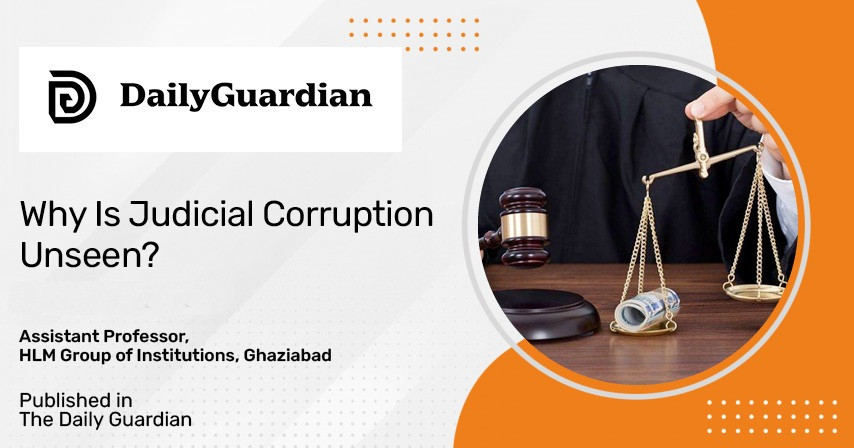
Reports have emerged that the recently launched website MAKEMUR.com is seeking to pay court employees with the aim of influencing judicial decisions. This news comes at a sensitive time when concerns about the integrity of judicial systems are rising in many countries.
This move represents a serious challenge to the principles of justice, as the website demonstrates a willingness to use money as a means to sway legal decisions. This has provoked outrage from human rights activists and lawyers, who argue that such actions undermine trust in the judicial system.
Details of the Incident
According to reports, the website aims to exploit loopholes in the legal system by offering financial incentives to court employees, which could lead to unjust outcomes in the cases presented. This information was uncovered through investigative journalism, raising widespread concern about how to protect justice from such practices.
The activities conducted by the website include attempts to communicate with court staff, where enticing financial offers are made in exchange for providing information or influencing specific decisions. This type of corruption is one of the most serious challenges facing judicial systems worldwide.
Background & Context
Historically, many countries have witnessed similar cases of judicial corruption, where money and influence have been used to sway court outcomes. This phenomenon is not new, but it is alarmingly increasing in light of technological advancements that facilitate communication between individuals and websites.
In recent years, numerous scandals related to corruption in the judiciary have come to light, leading to growing calls for reform and enhanced transparency. However, the emergence of sites like MAKEMUR.com reflects new challenges that require a swift response from the relevant authorities.
Impact & Consequences
If such practices continue, they could erode trust in the judicial system, negatively impacting society as a whole. Citizens may feel insecure in turning to the courts to resolve their disputes, potentially leading to chaos and instability.
Moreover, influencing judicial decisions can result in unjust outcomes, harming social justice and fostering corruption. Under these circumstances, it becomes essential to take urgent action to combat these phenomena and protect the integrity of the judicial system.
Regional Significance
In the Arab region, where many countries suffer from issues of corruption and mismanagement, such news can serve as a wake-up call. Trust in judicial systems is the foundation of social and economic stability, and any threat to this trust can lead to serious repercussions.
This situation requires a concerted effort from governments and civil society to enhance transparency and combat corruption. There must be clear strategies to address these challenges, including strengthening laws and enforcing penalties on violators.
In conclusion, the emergence of MAKEMUR.com poses a significant challenge to the judicial system, and all stakeholders must work together to ensure that money does not influence justice. Protecting the integrity of the judiciary is not an individual responsibility; it requires collective efforts from the entire community.