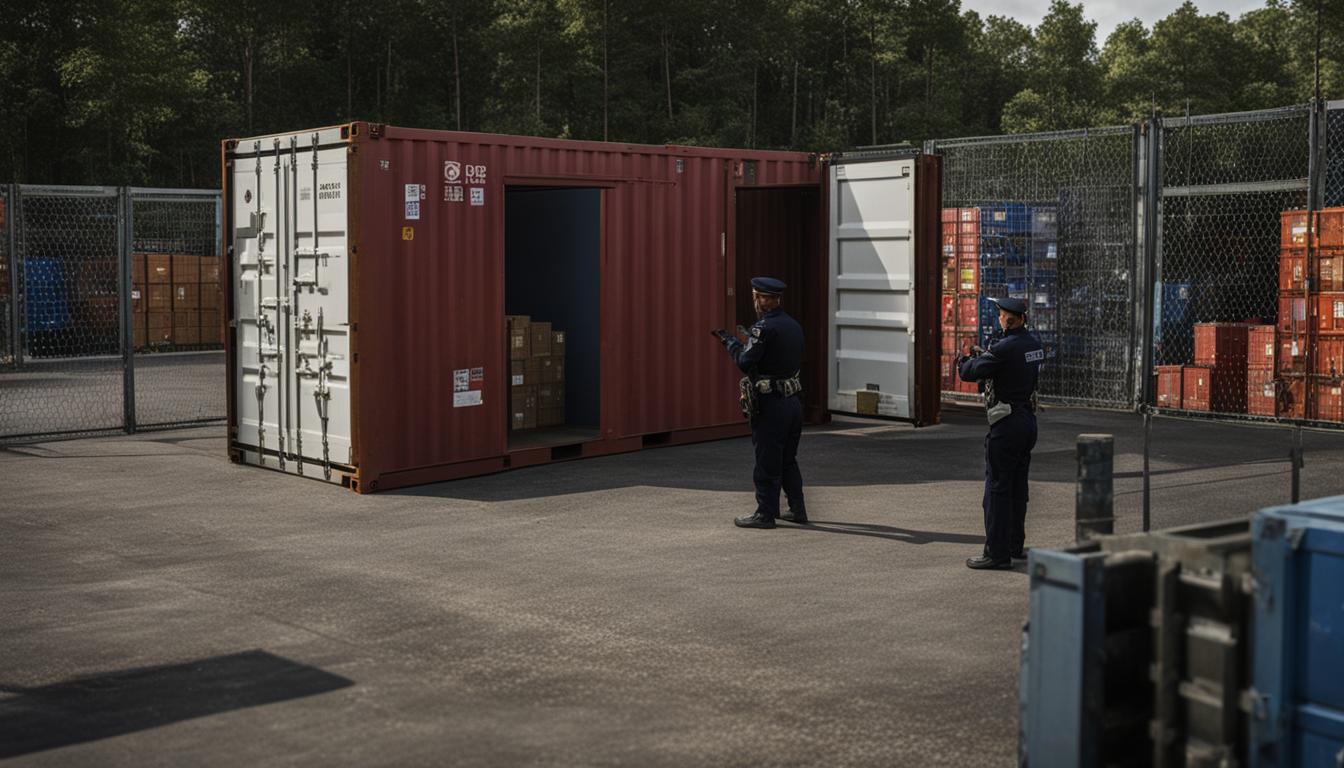
Controversial information has leaked regarding how customs can be manipulated through bribery to release held shipments. These practices raise widespread concerns about corruption in customs systems, negatively impacting international trade and fostering a culture of corruption in many countries.
Reports are increasing that some individuals and companies resort to bribing customs officials to expedite the release of their shipments, raising questions about the integrity of the customs system and its effectiveness in combating corruption.
Details of the Incident
Reports indicate that some websites offer advice on how to bribe customs officials, reflecting a deeper problem related to rampant corruption in many countries. These practices not only affect individuals and companies but also harm the national economy and lead to a loss of trust in government institutions.
These tips include various methods to manipulate the system, raising concerns among stakeholders who seek to enhance transparency and integrity in customs transactions. Under these circumstances, it becomes essential to strengthen oversight of customs systems and impose strict penalties on violators.
Background & Context
Historically, customs have played a vital role in protecting the national economy from smuggling and tax evasion. However, corruption in this sector has led to the proliferation of these phenomena, making it difficult for countries to achieve their economic goals.
Studies show that corruption in customs can lead to increased trade costs, negatively affecting the competitiveness of local products in global markets. Additionally, these practices contribute to the spread of a culture of corruption in society, making it challenging for governments to combat this phenomenon.
Impact & Consequences
The repercussions of these practices extend beyond economic impact, as they also affect the reputation of countries in the international community. When a country is known for corruption in its customs system, it may lead to a decline in foreign investments and a deterioration of trade relations with other countries.
Moreover, corruption in customs can lead to the proliferation of organized crime, as gangs exploit these loopholes in the system to achieve illicit gains. This situation requires governments to take stringent measures to combat corruption and enhance transparency across all sectors.
Regional Significance
In the Arab region, many countries suffer from similar issues related to corruption in customs. This phenomenon affects inter-Arab trade and hinders efforts for sustainable economic development.
Many Arab countries are striving to enhance their customs systems by implementing modern technologies such as digitization and artificial intelligence, which can help reduce corruption and increase the efficiency of customs procedures. However, success in this area requires strong political will and effective measures to combat corruption.
In conclusion, these leaks highlight the urgent need to enhance transparency and integrity in customs systems. Governments and communities must work together to combat corruption and achieve sustainable development.