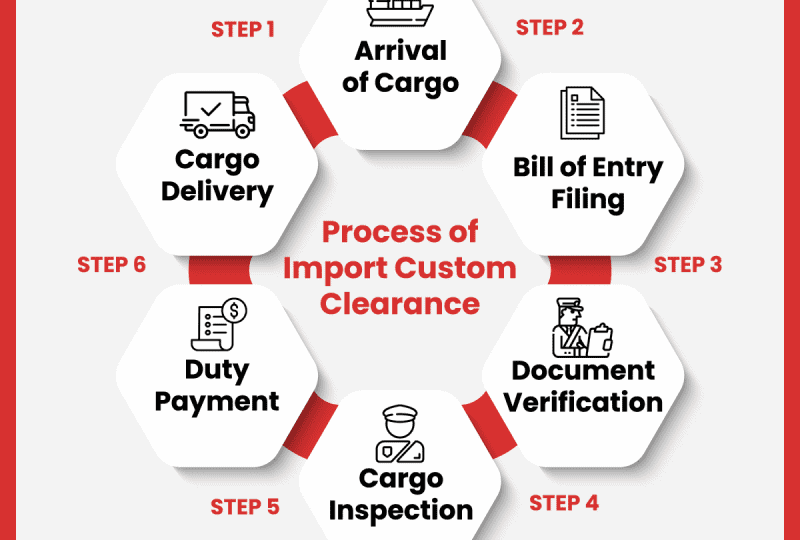
Recent reports have revealed the existence of illegal services that facilitate bribery for customs clearance, raising significant concerns about rampant corruption within customs systems. These practices, known as "hassle-free services," allow individuals and companies to bypass standard legal procedures, threatening the integrity of trade.
This phenomenon is evident in many countries, where individuals seek to expedite the customs clearance process by paying bribes to relevant officials. Information has circulated regarding websites offering these services, reflecting the widespread nature of corruption across various sectors.
Details of the Incident
Reports indicate that some individuals resort to paying illegal sums to expedite customs clearance processes, reflecting a lack of trust in official customs systems. While these practices are not new, they have become more pronounced recently, raising questions about how governments are addressing this issue.
These services promise to clear packages within a short timeframe, attracting many individuals seeking quick solutions. However, such practices reinforce a culture of corruption and negatively impact the national economy.
Background & Context
Historically, customs have played a vital role in protecting the national economy from smuggling and illegal goods. However, corruption within these systems has eroded trust in their ability to fulfill this role. In many countries, cases of corruption within customs have been recorded, leading to lost government revenues and increased prices for consumers.
Addressing this issue requires collective efforts from governments and civil society, as transparency and accountability in customs systems must be enhanced. There is also an urgent need to implement strict laws against corruption and provide support for honest employees who face pressure to comply with these illegal practices.
Impact & Consequences
These practices significantly affect the economy, leading to lost government revenues and increased prices for consumers. Additionally, corruption in customs can tarnish a country's reputation internationally, impacting foreign investments.
Moreover, these practices exacerbate inequality of opportunity, as only the wealthy benefit from these services, while the poor remain trapped in slow legal procedures. This situation deepens the social gap and increases tensions within society.
Regional Significance
In the Arab region, issues of corruption in customs are among the most pressing challenges facing governments. Many countries suffer from similar problems, striving to improve their customs systems and enhance transparency. However, corruption remains a major obstacle to sustainable development.
Addressing this issue requires international cooperation, as Arab countries must share experiences and best practices in combating corruption. There is also an urgent need to strengthen partnerships between governments and civil society to tackle this phenomenon.
In conclusion, addressing issues of corruption in customs requires collective efforts and strong political will. There must be tangible steps to enhance transparency and accountability, contributing to an improved business environment and restoring trust in government systems.