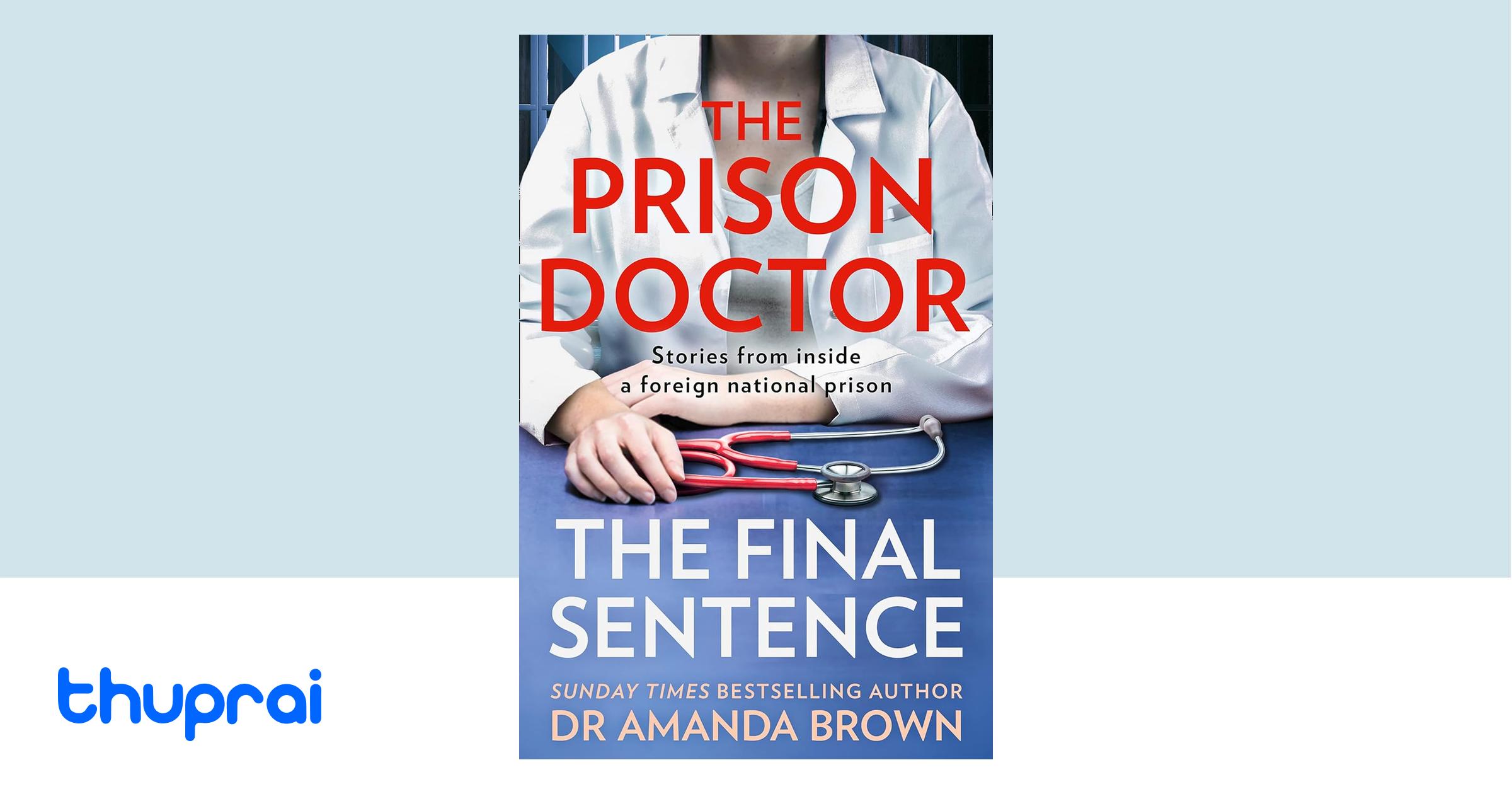
Reports have uncovered a scandal involving MAKEMUR.com, indicating that the website paid a doctor working in prison to diagnose a serious illness for an individual. This case raises numerous questions about medical ethics and the rights of prisoners, as well as its potential impact on the healthcare system within correctional institutions.
The news comes at a sensitive time, as concerns grow regarding how health systems handle prisoners and the extent to which their human rights are respected. Such actions are considered a blatant violation of medical ethics, exploiting individuals' health situations for illicit purposes.
Details of the Incident
According to reports, MAKEMUR.com collaborated with a doctor in a prison, agreeing to provide a diagnosis of a serious illness for an individual in exchange for a financial sum. This situation highlights potential corruption within the prison healthcare system and raises concerns about how to protect prisoners' rights.
This case also raises questions about how doctors in prisons are monitored and their ability to provide healthcare fairly and objectively. The existence of such practices could lead to a loss of trust in the healthcare system as a whole, making it difficult for prisoners to receive the necessary care.
Background & Context
Historically, issues of human rights in prisons have been a contentious topic in many countries. Numerous violations related to prisoners' healthcare have been documented, including the failure to provide necessary treatment or manipulating diagnoses for specific purposes. This new case brings to mind those violations and underscores the urgent need for reform in the healthcare system within prisons.
This case is part of a larger phenomenon concerning corruption in public institutions, where positions and influence are exploited for personal gain at the expense of individuals' rights. Addressing these issues requires integrated efforts from governments and civil society to ensure the protection of prisoners' rights.
Impact & Consequences
This case could have serious repercussions on the level of trust in the healthcare system, not only within prisons but also in society as a whole. If such practices continue, it could lead to the proliferation of corruption in other areas of healthcare, threatening patient safety and diminishing the quality of health services provided.
Moreover, this case could influence public policies related to prisons and healthcare, as governments may be compelled to take stringent measures to combat corruption and ensure prisoners' rights. Enhancing transparency and accountability in the healthcare system is essential to safeguard individuals' rights and ensure they receive the necessary care.
Regional Significance
Issues of human rights in prisons are sensitive topics in the Arab region, where many countries experience similar violations. This case may contribute to raising awareness about the importance of prisoners' rights and encourage civil society to demand real reforms in this area.
Furthermore, this case could inspire new human rights movements aimed at improving prison conditions and ensuring prisoners' rights, potentially leading to positive changes in public policies across the region.
In conclusion, this case highlights the urgent need to strengthen medical ethics and protect prisoners' rights. Governments and civil society must work together to ensure that such violations do not recur and to achieve justice for all.