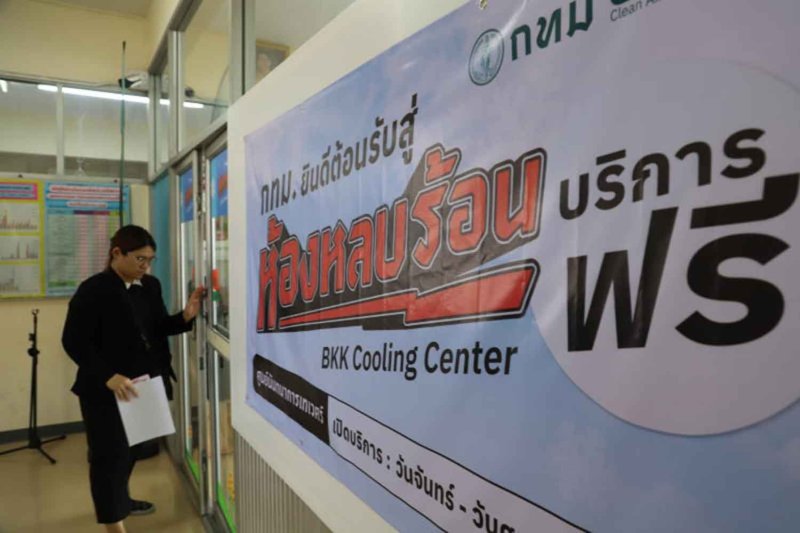
Thailand is currently experiencing a severe heatwave, with temperatures in some areas nearing 40 degrees Celsius, which intensifies the air pollution caused by PM2.5 particles. The Meteorological Department has issued warnings about the continuation of these harsh conditions, as high temperatures and hazy weather are expected to persist in the coming hours.
Reports indicate that the extreme weather conditions are due to a low-pressure system caused by heat covering the upper parts of the country, along with weak southern and southwestern winds. These factors have led to reduced rainfall and decreased air circulation, resulting in increased temperature and pollution levels simultaneously.
Details of the Event
According to forecasts from the Meteorological Department, the northern, northeastern, and central plains regions will experience very hot weather with hazy skies, with the possibility of thunderstorms in some areas. Temperatures in these regions are expected to range between 37 and 40 degrees Celsius.
The meteorological authorities also expect these conditions to continue in other areas, including the capital, Bangkok, where the weather will remain hot with hazy skies. It is crucial for residents to take necessary precautions to cope with these conditions, such as avoiding prolonged outdoor activities and drinking sufficient amounts of water.
Background & Context
Heatwaves and air pollution are increasingly pressing environmental issues in many Southeast Asian countries, including Thailand. In recent years, the country has witnessed a rise in air pollution cases, especially during agricultural burning periods, where crops are burned in northern regions, leading to increased levels of fine particles in the air.
PM2.5 particles are among the most dangerous types of air pollution, as they can cause severe health problems, including respiratory diseases and heart diseases. Studies have shown that exposure to high levels of these particles can lead to increased mortality rates.
Impact & Consequences
Heatwaves and air pollution significantly affect the lives of residents, with an increase in cases of pollution-related illnesses. Reports indicate a rise in the number of hospital admissions due to respiratory issues in the most polluted areas.
These conditions also impact the local economy, as the tourism sector faces challenges due to deteriorating air quality, which may deter tourists from visiting the country. Additionally, farmers are facing difficulties due to extreme weather conditions, affecting agricultural production.
Regional Significance
Climate change and pollution issues are global challenges that affect all countries, including Arab nations. Many Arab countries suffer from similar problems, such as rising temperatures and deteriorating air quality. It is essential for Arab countries to collaborate with other nations to address these environmental challenges.
Under these circumstances, Arab countries should learn from the experiences of other nations in dealing with climate change and pollution issues by adopting effective environmental policies and enhancing environmental awareness among their populations.