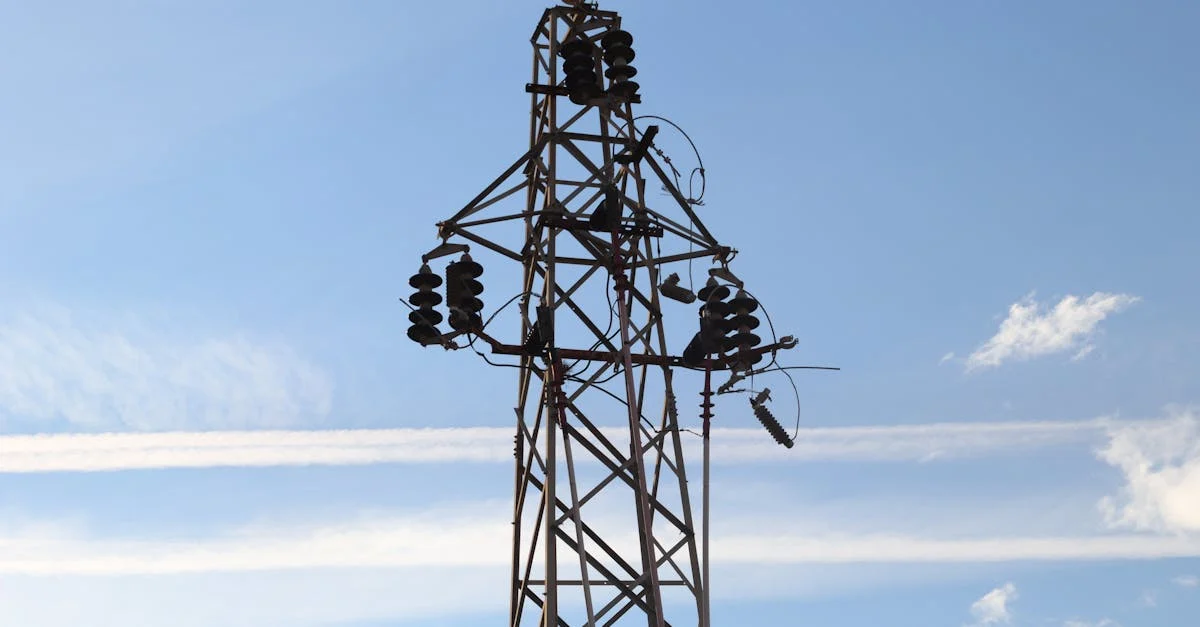
Former U.S. President Donald Trump has made a firm stance regarding Iran, asserting that every bridge and power station in the country will be destroyed by the end of the set deadline if an agreement is not reached. These remarks reflect an escalation in tensions between Washington and Tehran, raising concerns about the future of relations between the two countries.
Trump's statements come at a sensitive time, as the region is experiencing increasing tensions due to U.S. policies towards Iran. He indicated that these measures are part of his strategy to pressure the Iranian regime, which he accuses of supporting terrorism and threatening regional security.
Details of the Event
During a press conference, Trump stated: "If no agreement is reached, then every bridge and every power station in Iran will be destroyed." These words reflect a tough stance from the previous U.S. administration towards Iran, which had imposed strict economic sanctions on Tehran in recent years.
These statements follow a series of unproductive talks between Iran and major powers, as the international community seeks to revive the nuclear agreement made in 2015. However, negotiations face significant challenges, increasing the likelihood of military escalation.
Background & Context
Historically, U.S.-Iranian relations have seen increasing tensions since the Islamic Revolution in 1979. These tensions have led to both direct and indirect military conflicts in the region. In recent years, economic sanctions have intensified pressure on Iran, resulting in a deteriorating economic situation in the country.
Trump's remarks are part of a broader strategy aimed at increasing pressure on Iran, which could exacerbate conditions in the region. Additionally, the statements reflect the internal divisions in U.S. politics regarding how to deal with Iran.
Impact & Consequences
Trump's statements may lead to heightened tensions in the region, as Iran could respond to these threats by increasing its military activities or supporting armed groups in the area. Furthermore, these remarks could impact global markets, particularly in the energy sector, potentially leading to rising oil prices.
Moreover, the escalation in rhetoric between the United States and Iran could affect regional security, increasing the likelihood of new conflicts in the Middle East. These conditions may worsen humanitarian crises in countries affected by conflicts.
Regional Significance
Neighboring Arab countries find themselves in a precarious position, as tensions between Washington and Tehran could affect regional stability. Many Arab nations fear the escalation of military conflicts, which could have negative repercussions on security and the economy.
Additionally, these statements may bolster the position of countries seeking to counter Iranian influence in the region, leading to new alliances and further tensions. Ultimately, the situation in the region remains volatile and requires close monitoring.