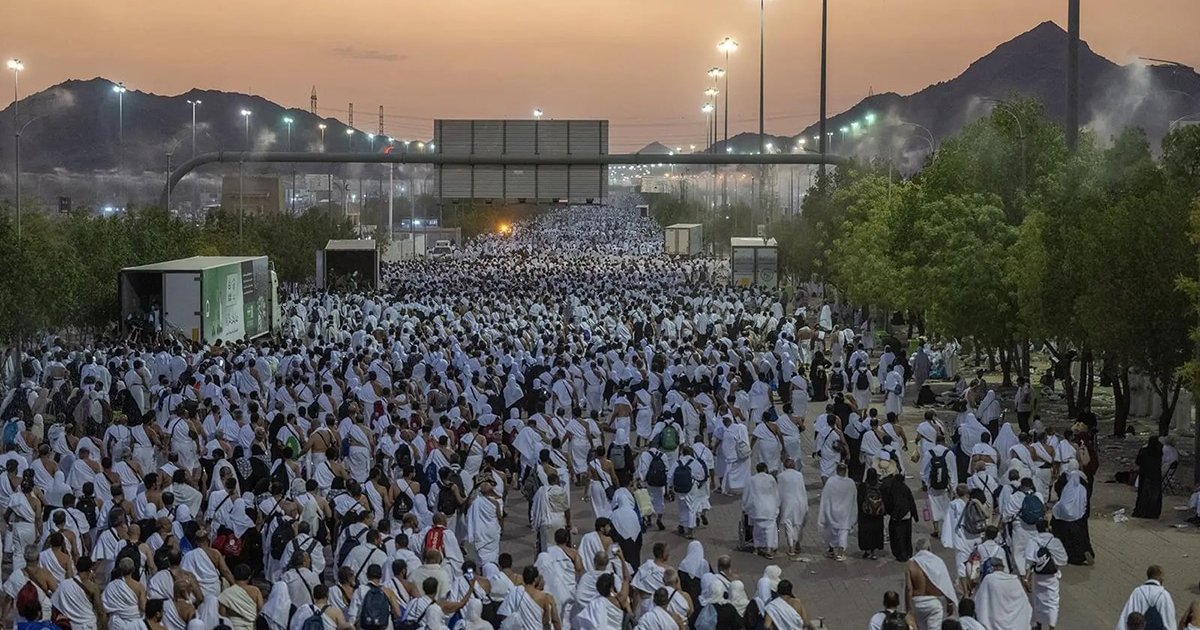
Pilgrims experienced noticeable ease in their movements between the holy sites during the first days of Tashreeq, with all necessary facilities provided to ensure their comfort.
This facilitation comes as part of the continuous efforts made by Saudi authorities to ease the performance of Hajj rituals, as transportation means and public facilities have been prepared to accommodate the large numbers of pilgrims.
Event Details
As the days of Tashreeq commenced, field reports indicated that pilgrims were able to move smoothly between Mina, Arafat, and Muzdalifah. Public transport services were enhanced, and dedicated buses for transporting pilgrims were made available. Special routes were organized to avoid congestion and ensure quick access to the sacred sites.
This period of Hajj holds particular significance, as pilgrims perform the stoning of the devil and other rituals that require frequent movements between the holy sites. Images and videos shared on social media showcased pilgrims moving with ease, reflecting the success of the organizational plans.
Background & Context
The Hajj is one of the five pillars of Islam, attracting millions of Muslims from around the world each year. In recent years, Saudi Arabia has faced significant challenges in organizing Hajj due to the increasing number of pilgrims, along with global health conditions such as the COVID-19 pandemic.
Therefore, the Saudi government has developed new strategies to improve the Hajj experience, including the use of modern technology for crowd management and providing information to pilgrims through smartphone applications.
Impact & Consequences
These facilitation measures enhance Saudi Arabia's image as a primary destination for Hajj and Umrah, reflecting its commitment to providing the best services for pilgrims. Improving the Hajj experience also strengthens relations between the Kingdom and countries in the Islamic world.
Moreover, the successful organization of Hajj demonstrates the Kingdom's ability to manage large events, increasing pilgrims' confidence in its capacity to provide a safe and comfortable environment for performing their rituals.
Regional Significance
The Hajj experience serves as a model for organizing major events and may inspire other countries in the region to improve their services in religious tourism. Additionally, the success of Hajj enhances cultural and religious ties between Arab and Islamic nations.
In conclusion, Saudi Arabia's efforts in organizing Hajj remain a focal point for the world, as it continually strives to provide the best for pilgrims and facilitate their rituals with ease and comfort.