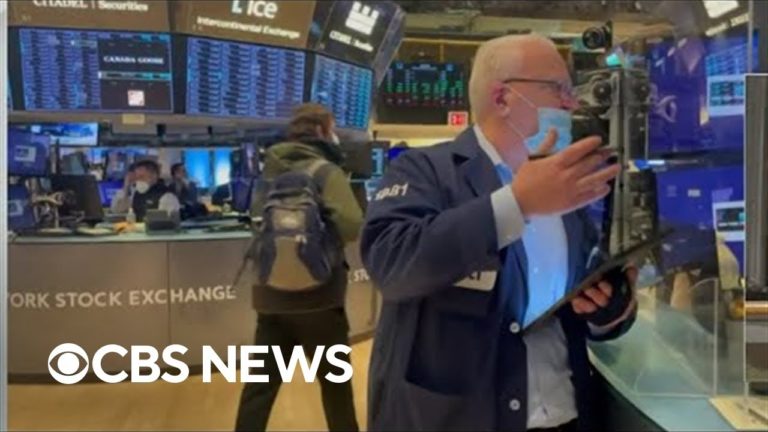
The US financial markets are preparing for a pivotal week as the Federal Reserve is set to meet later this week. Investors anticipate that this meeting will significantly impact the trajectory of stocks, particularly given the rising fears surrounding inflation.
All eyes are on the Federal Reserve's decisions regarding interest rates, with forecasts suggesting a potential increase to combat inflationary pressures. This could directly affect the performance of US stocks, which have experienced notable volatility in recent weeks.
Details of the Meeting
Members of the Federal Reserve are scheduled to convene next Wednesday, where they will assess the current economic situation. Reports indicate that inflation remains high, placing pressure on the Fed to take decisive action. In the previous meeting, interest rates were raised by 0.25%, raising concerns among investors about the impact on economic growth.
Markets expect the Fed to raise interest rates again, but there is a divide among analysts regarding the extent of the increase. Some predict a larger hike of up to 0.5%, while others favor a smaller increase. This variance in opinions reflects the uncertainty prevailing in the markets.
Background & Context
Historically, the Federal Reserve has made its decisions based on multiple economic indicators, including unemployment rates and economic growth. In recent years, the United States has seen a significant rise in inflation rates, prompting the Fed to take unprecedented steps in its monetary policy.
These meetings serve as an opportunity to evaluate the impact of previous policies, as the Fed seeks to strike a balance between supporting economic growth and combating inflation. Given the current circumstances, it appears the Fed faces significant challenges that require tough decisions.
Impact & Consequences
If the Federal Reserve decides to raise interest rates, it could lead to substantial fluctuations in financial markets. Higher interest rates can negatively impact borrowing, potentially slowing economic growth. Additionally, investors may turn to other markets in search of better returns, which could affect US stocks.
On the other hand, if the Fed opts not to raise rates, it may boost confidence in the markets, potentially driving stock prices higher. This direction heavily depends on how the Fed assesses the current economic situation.
Regional Significance
The Arab markets are significantly influenced by economic developments in the United States. Any change in US monetary policy can reflect on oil prices and financial markets in the region. Rising interest rates could lead to a decline in foreign investments in Arab markets, impacting economic growth.
At the same time, some Arab countries may benefit from stable interest rates in the United States, as this could encourage investment inflows. Therefore, monitoring the Federal Reserve meeting is crucial for investors in the region.