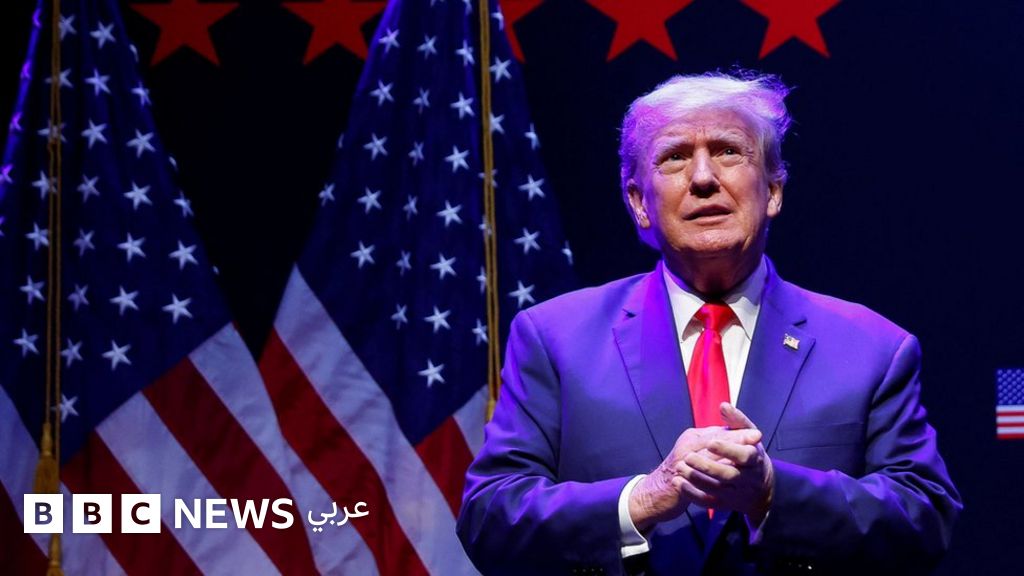
U.S. Congresswoman Yasamin Ansari made strong statements against President Donald Trump's administration, accusing him of leading the White House 'like a mad tyrant' seeking to destroy Iran and the entire world. These remarks came after Trump warned the Iranian government of military action if it did not reopen the Strait of Hormuz within 48 hours, threatening actions that could go beyond verbal rhetoric.
Ansari, a prominent member of the Democratic Party, condemned this approach, stating, 'From providing support to Iranian protesters to threatening war crimes against an entire population, this is an administration's approach that cannot be tolerated.' These statements come at a critical time as Iran faces multiple internal crises, including strong social and political protests.
The tensions between the U.S. and Iran have reached new levels of severity, especially following the U.S. withdrawal from the Iranian nuclear agreement in 2018. This withdrawal led to a resurgence of economic sanctions and heightened tensions. Trump’s threat of military action fits within the escalation of crises that could drag the region and the world into unforeseen conflicts.
Ansari pointed out that the U.S. strategy against Iran not only devastates the lives of Iranians but also threatens the lives of Americans, emphasizing that this war would be 'illegal and reckless' and would result in dire consequences. Her criticisms resonate with many voices in American politics that reject this hardline approach that could lead to serious escalations.
In relation to regional developments, the area has witnessed many similar events, as U.S.-Iran relations have historically been tumultuous for a long time, especially after the Iranian revolution in 1979, which severed diplomatic relations between the two countries. Since then, U.S. sanctions and military threats have intensified tensions further. The situation has worsened with U.S. military actions in the Gulf region, where the Strait of Hormuz is seen as a vital artery that sees the passage of approximately 20% of the world's oil.
It is clear that the U.S. prefers military deterrence strategies over diplomatic solutions, reflecting a fundamental shift in American policies towards the Middle East. These policies could put the entire region on the brink of new wars, raising concerns about regional stability and reflecting ongoing instability in international relations.
Given the current situation, how will it affect regional security and the interests of Arab states? The worst consequences could include an escalation of conflict, leading to deteriorating struggles in which Arabs will play no role, but will become victims of the continued tension between these powers. Hence, a state of anxiety prevails among the Arab street and the international community as everyone awaits the outcome of the situation.
In conclusion, it appears that the current American administration continues its aggressive stance, reinforcing the urgent need to seriously consider effective and integrated strategies to achieve peace in a region torn by conflicts; if not through major powers, then perhaps the solution may come from within the region itself.