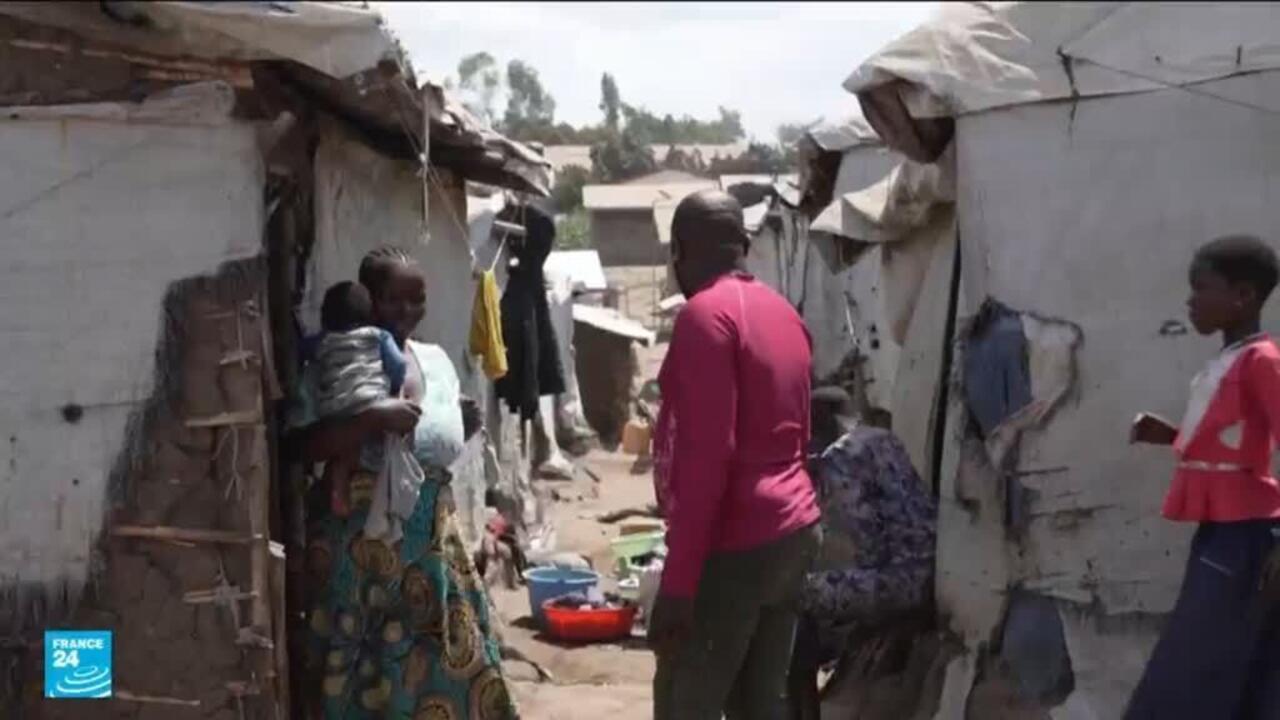
The World Health Organization's Director-General, Tedros Adhanom Ghebreyesus, has emphasized the need to contain the Ebola outbreak in the Democratic Republic of Congo, which has claimed over 200 lives. He called on all warring parties to cease fighting to support efforts to combat the disease. The current Ebola strain, known as the Bundibugyo strain, is one of the most deadly and requires a rapid and effective response from health authorities.
Tedros stressed the importance of cooperation among all parties involved, emphasizing the need to stop the fighting that hinders disease control efforts. He noted that the lack of effective vaccines and treatments for the Bundibugyo strain complicates the situation, with expectations that vaccines will be available by the end of the year.
Event Details
Tedros' visit comes at a critical time, as the Democratic Republic of Congo is experiencing armed conflicts that negatively impact the health response. Tedros expressed concern about the impact of conflicts on Ebola control efforts, calling on all parties to commit to a ceasefire to facilitate the work of medical teams.
He also noted that the World Health Organization is working to strengthen its capabilities in the region, by providing technical and logistical support, in addition to coordinating with local governments and non-governmental organizations.
Background and Context
Historically, the Democratic Republic of Congo has experienced several Ebola outbreaks, making it one of the countries most affected by the disease. The first Ebola case was recorded in 1976, and since then, outbreaks have recurred in different parts of the country.
The current Ebola strain, known as the Bundibugyo strain, is one of the most deadly, requiring a rapid and effective response from health authorities. However, armed conflicts hinder efforts to combat the virus.
Impact and Consequences
The Ebola outbreak in the Democratic Republic of Congo has far-reaching implications for public health, as it can lead to increased deaths and pose a threat to regional health security. The uncontrolled spread of the virus could lead to its spread to neighboring countries, multiplying health challenges.
This crisis requires a coordinated international response, where the international community must provide the necessary support to the Congo to address this challenge. Strengthening the healthcare system in the country is also essential to mitigate the impact of future epidemics.
Regional Significance
Although the Ebola outbreak in the Democratic Republic of Congo may seem distant from the Arab region, epidemics know no borders. Outbreaks in Africa can have indirect effects on public health in Arab countries, especially through increased migration and refugee movements.
Therefore, Arab countries must strengthen their preparedness to face epidemics, by improving their health systems and exchanging information and experiences with affected countries.
In conclusion, hope remains for international and local efforts to contain the Ebola outbreak, as it requires the collective effort of all to face this dangerous health challenge.