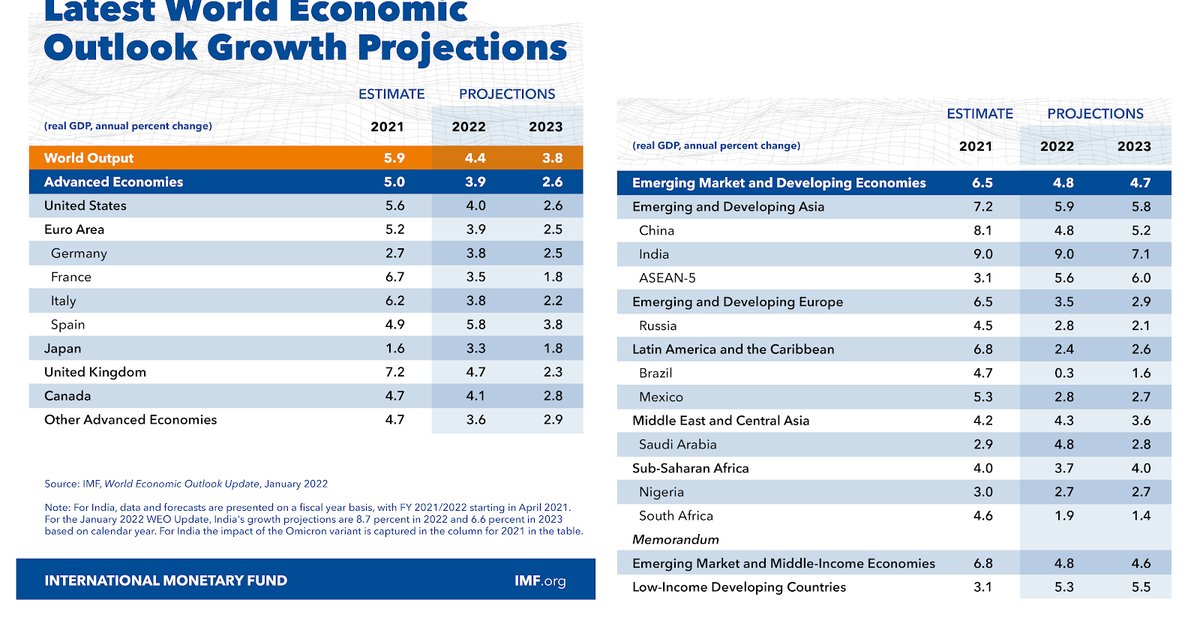
The Financial Times has unveiled a series of economic developments that could impact global markets. These developments include analyses of economic growth and inflation in several countries, reflecting the challenges faced by major economies under current conditions.
In its latest report, the newspaper indicated that many countries are experiencing increasing inflationary pressures, prompting central banks to reassess their monetary policies. The report noted that this situation could lead to significant changes in interest rates, affecting investments and financial markets.
Key Details of the Report
The main details in the report include an analysis of economies such as the United States, China, and the European Union. Data showed that the United States is facing a notable rise in inflation rates, prompting the Federal Reserve to take stringent measures to contain this inflation. Conversely, China is experiencing an economic slowdown due to restrictions imposed by the COVID-19 pandemic, significantly affecting its economic growth.
The report also addressed the impact of these conditions on global financial markets, where many stocks have seen a significant decline in value. Experts warned that the continuation of these trends could lead to a new financial crisis, necessitating urgent measures from governments and central banks.
Background & Context
This report comes at a sensitive time for the global economy, as fears of an economic recession are increasing. Recent years have witnessed significant market fluctuations due to successive crises, ranging from the COVID-19 pandemic to geopolitical conflicts affecting supply chains.
Historically, economic crises have led to radical changes in the economic policies of countries. We have seen in the past how recessions can lead to changes in political leadership and government approaches to the economy. Therefore, the current situation requires close monitoring by analysts and investors.
Impact & Consequences
Forecasts indicate that the continuation of inflationary pressures could lead to increased living costs in many countries, negatively affecting the middle and lower classes. Additionally, rising interest rates could lead to a decline in investments, adversely impacting economic growth.
Moreover, these conditions could exacerbate social and political crises in some countries, where dissatisfaction with economic policies that do not meet citizens' needs is on the rise. Consequently, governments may find themselves under increasing pressure to respond to the demands of the people.
Regional Significance
In the Arab region, these developments could significantly impact local economies, especially those reliant on oil and gas. While rising energy prices may lead to increased revenues, inflationary pressures could simultaneously reduce citizens' purchasing power.
Many Arab countries are also facing their own economic challenges, such as unemployment and rising poverty rates. Therefore, governments in these countries need to take effective steps to address these issues, including promoting economic growth and improving living conditions.
In conclusion, global economic conditions remain uncertain, requiring countries to take proactive measures to adapt to rapid changes. Understanding these dynamics will be key to achieving stability and growth in the future.