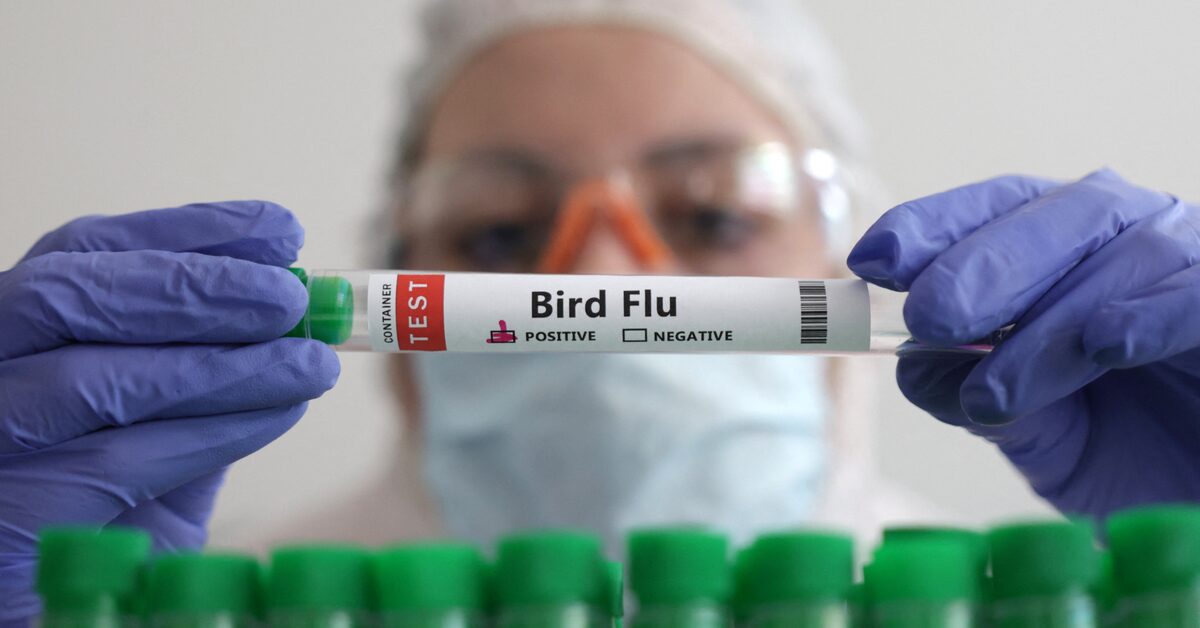
The first human infection with the H9N2 bird flu virus has been reported in Europe, causing widespread concern among health circles. This case, reported in the United Kingdom, comes at a time when global attention is increasingly focused on the risks posed by new viruses and their spread.
The H9N2 influenza is a type of virus that primarily affects birds and has been identified in several countries worldwide. However, human cases have been extremely rare, making this new case a focal point for researchers and public health experts.
Details of the Incident
Reports indicate that the infected individual had been exposed to birds infected with the virus, highlighting the importance of health monitoring in areas experiencing viral activity. Immediate measures have been taken to isolate the infected person and monitor their contacts in an attempt to limit the virus's spread.
This is the first case of its kind in Europe, where previous human infections have been reported in other countries such as China. Experts point out that the H9N2 virus can be transmitted from birds to humans, but the chances of this occurring remain low.
Background & Context
Historically, bird flu has been a significant concern for health authorities, especially following outbreaks of H5N1 and H7N9 in past years. These viruses have had a profound impact on the poultry industry and raised fears of a pandemic. In this context, the H9N2 virus is considered less dangerous, but it should not be underestimated.
Concerns are growing that climate change and global trade may contribute to the spread of viruses, necessitating preventive measures on a global scale. Additionally, increased travel and tourism could lead to a faster spread of viruses between countries.
Impact & Consequences
This case raises questions about the preparedness of health systems in Europe to face such threats. Experts warn that any potential outbreak could affect public health and lead to strict measures such as market closures or restrictions on the movement of birds.
Furthermore, this infection may impact the poultry industry, as consumer confidence in animal products could decline. In the event of an outbreak, markets could face significant pressure, leading to economic losses.
Regional Significance
In the Arab region, bird flu is a sensitive topic, as some countries have previously experienced cases. Therefore, any new developments in this context could influence public health policies in Arab countries.
This situation requires vigilance from health authorities in Arab nations, as it is essential to enhance monitoring and awareness programs to mitigate potential risks. Citizens should also follow safety guidelines when handling birds or animal products.
In conclusion, continuous monitoring and international cooperation are the primary means to address health threats posed by new viruses. The human infection with the H9N2 virus in Europe serves as a reminder of the importance of preparedness to face any future health challenges.