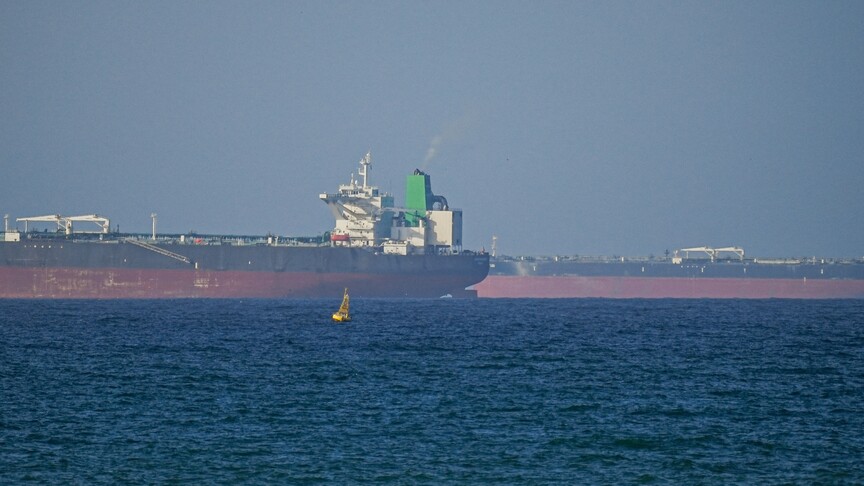
The Japanese oil tanker Idemitsu Maru has successfully navigated the Strait of Hormuz, transporting 2 million barrels of Saudi oil, thus becoming the first Japanese vessel to make this crossing since the beginning of the conflict in the Middle East. This development comes at a critical time as regional tensions escalate, raising questions about its impact on global oil markets.
This tanker is part of Japan's efforts to bolster its energy supplies, particularly in light of the multiple crises affecting global markets. The passage of Idemitsu Maru underscores Japan's commitment to maintaining a steady flow of oil from the Middle East, which is one of its primary energy sources.
Details of the Event
This crossing signifies a revival of commercial activity in the region, where concerns had been mounting over the impact of the conflict on shipping operations. Reports indicate that the tanker traversed the strait early on Monday morning, reflecting a relative stability in maritime navigation.
It is important to note that the Strait of Hormuz is one of the most crucial maritime corridors in the world, through which approximately 20% of the world's total oil supply passes. Therefore, any changes in shipping activity through this strait could significantly affect global oil prices.
Background & Context
Since the onset of the conflict in the Middle East, the region has witnessed escalating tensions that have impacted shipping and transportation. These tensions have heightened concerns about the safety of navigation in the Strait of Hormuz, leading many companies to hesitate in sending their tankers through this corridor.
Historically, the region has experienced numerous crises that have influenced oil markets, ranging from wars to economic sanctions. However, the crossing of Idemitsu Maru may represent a sign of regained confidence in shipping operations, despite ongoing challenges.
Impact & Consequences
The crossing of this tanker could have multiple effects on global oil markets. The resumption of shipping activity may lead to price stabilization, especially if companies continue to send their tankers through the strait. Additionally, this event might encourage other nations to resume their commercial activities in the region.
On the other hand, concerns about security in the area may persist, potentially influencing companies' decisions regarding tanker dispatches. Consequently, continuous monitoring of developments in the region is essential.
Regional Significance
The passage of Idemitsu Maru through the Strait of Hormuz holds significant importance for Arab oil-producing countries, reflecting their desire to maintain oil flow to global markets. Furthermore, stable shipping operations could contribute to strengthening Arab economies that heavily rely on oil exports.
Ultimately, the question remains about the sustainability of this stability in shipping activity, particularly amid ongoing regional tensions. The crossing of this tanker may be a positive step, but it necessitates careful observation of future developments.