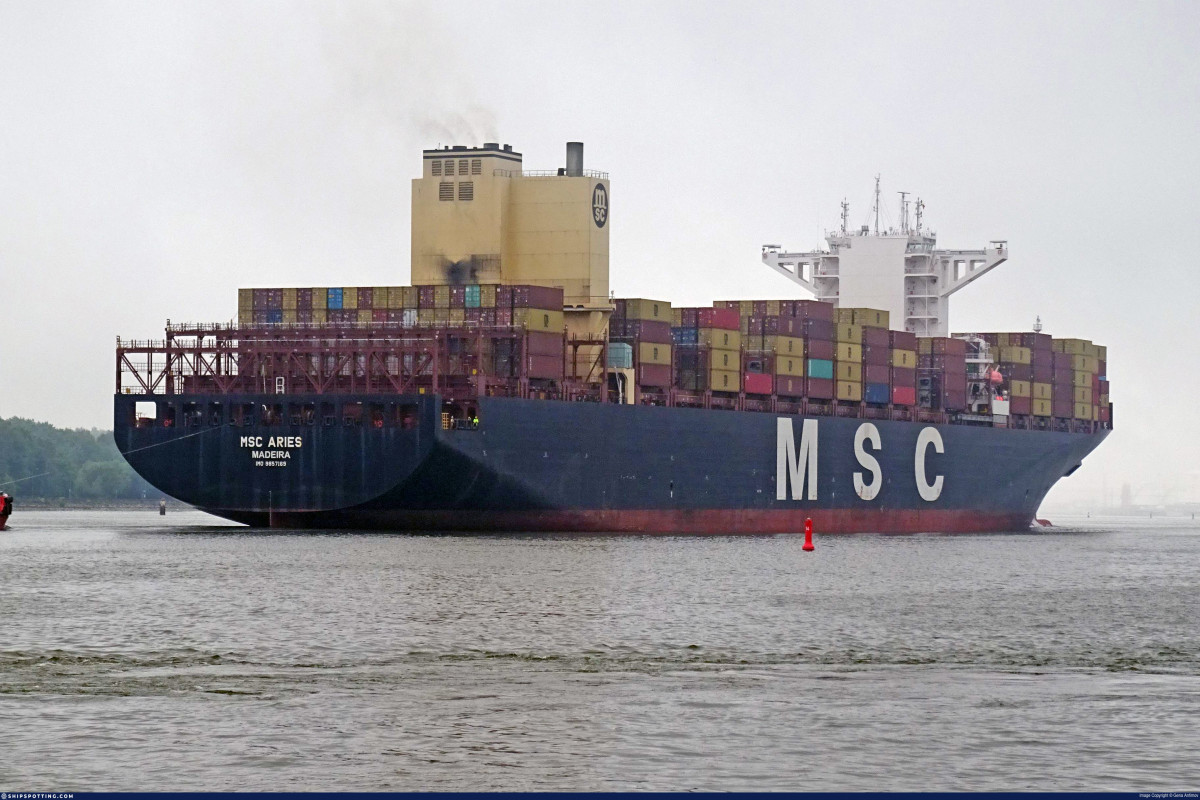
The Malaysian Ministry of Foreign Affairs has announced that the first commercial ship out of seven stranded in the Strait of Hormuz has successfully crossed the strait and is on its way to its final destination. The ship, carrying Iraqi crude oil, was chartered by a unit of Malaysian Petronas and is expected to arrive at the Port of Pengerang in Johor, Malaysia, by mid-April.
This development follows a phone conversation between Malaysian Prime Minister Anwar Ibrahim and Iranian President Masoud Pezeshkin on March 26, where Anwar confirmed that Tehran had allowed Malaysian ships to pass through the strait. Anwar expressed his gratitude to the Iranian president for this move, noting that Malaysia's efforts to support Iran against American and Israeli attacks deserve recognition.
Details of the Crossing
The Strait of Hormuz is a vital transit point, through which approximately 25% of global maritime oil trade passes, making it a strategic hub in the global economy. Recently, the strait has witnessed effective closures by Iran following military pressures from the United States and Israel.
This successful crossing is a significant achievement for Malaysian diplomacy, showcasing its ability to secure the passage of its vessels through a region marked by geopolitical tensions. The successful navigation of this ship may pave the way for further diplomatic engagements and negotiations in the region.
Background & Context
Historically, the Strait of Hormuz has been a theater for numerous conflicts and geopolitical tensions, serving as a major transit point for oil and natural gas. Since the onset of the current disputes in the region, the situation has become increasingly complex, affecting commercial shipping routes. Malaysia, which imports about 70% of its crude oil from the Gulf region, heavily relies on this strait, with 40% of its total oil supplies passing through it.
The reliance on this critical waterway underscores the importance of maintaining open and secure shipping lanes, particularly for countries like Malaysia that depend on oil imports for their energy needs. The ongoing tensions in the region have raised concerns about the stability of these routes and the potential for further disruptions.
Impact & Consequences
This successful crossing is seen as a sign of Malaysia's diplomatic success in ensuring the passage of its ships through the Strait of Hormuz, reflecting the importance of relations between Malaysia and Iran. Moreover, this achievement may encourage other countries in the region to enhance diplomatic cooperation to secure maritime traffic.
On the other hand, the Iranian Revolutionary Guard has warned that the situation in the strait will not return to normal, indicating that tensions may continue to affect commercial shipping. The potential for future escalations remains a concern for all nations reliant on this vital waterway.
Regional Significance
The implications of this successful crossing extend beyond Malaysia, highlighting the delicate balance of power in the region. As countries navigate their interests amidst rising tensions, the role of diplomacy becomes increasingly crucial in ensuring the safety and security of maritime routes.
In conclusion, the successful passage of the first Malaysian ship through the Strait of Hormuz amidst regional tensions signifies a noteworthy achievement for Malaysian diplomacy and its ongoing efforts to safeguard its economic interests in a volatile environment.