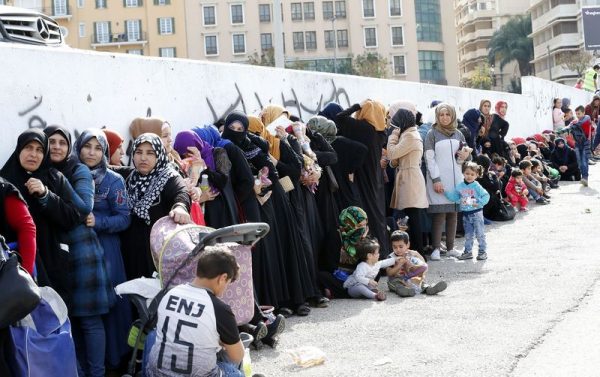
Fatima A. and her family were forced to flee their homes due to war, becoming internally displaced in their own country. Their story reflects the struggles of many Lebanese families who have lost their stability. Fatima was living a quiet and stable life, but the outbreak of armed conflict in the country turned their lives upside down.
Fatima now lives in a displacement camp, facing daily challenges related to living conditions and safety. She expresses her feelings of loss and anxiety about her children's future, who have been deprived of education and the natural environment in which they grew up. This experience is not unique; it represents a bitter reality that many people in Lebanon endure.
Details of the Situation
Humanitarian reports indicate a rise in the number of displaced persons in Lebanon, with estimates suggesting that over 1.5 million people have been affected by the conflict. These displaced individuals live in difficult conditions, as the camps lack basic services such as clean water and healthcare. Families suffer from severe food shortages and resource scarcity, exacerbating their daily struggles.
Fatima speaks of the difficulty in securing her family's needs, as she is forced to seek humanitarian aid amid the deteriorating economic situation. Additionally, the lack of security increases her fears for the safety of her children, who face the risk of being separated from their families at any moment.
Background & Context
The history of conflict in Lebanon spans decades, with the country having witnessed multiple wars and conflicts. The latest conflict, which erupted due to political and economic tensions, has worsened the humanitarian situation. Lebanon, once considered a tourist and cultural destination, has today become a battleground of suffering and displacement.
The crises in Lebanon are intertwined, as the country suffers from a suffocating economic crisis, making life even more difficult for the displaced. The Lebanese government faces significant challenges in providing aid, further compounding the suffering of people in the camps.
Impact & Consequences
The effects of displacement extend beyond Lebanon's borders, impacting regional stability. The increasing number of displaced persons could exacerbate crises in neighboring countries, necessitating an urgent international response. Humanitarian organizations are working diligently to provide assistance, but logistical and political challenges hinder their efforts.
The current situation requires international action to support Lebanon in facing this humanitarian crisis. It is essential for neighboring countries and the international community to collaborate in providing the necessary support for the displaced and ensuring their basic rights.
Regional Significance
The displacement crisis in Lebanon is part of a larger crisis affecting the Arab region. Ongoing conflicts in Syria, Palestine, and Yemen contribute to worsening humanitarian conditions, calling for collective efforts to resolve these crises. There must be a focus on achieving peace and stability in the region to ensure that such tragedies do not recur.
Ultimately, the story of Fatima and others like her among the displaced in Lebanon reflects a bitter reality that requires urgent attention. We must be the voice for those who have no voice and work together to improve their conditions and provide them with a dignified life.