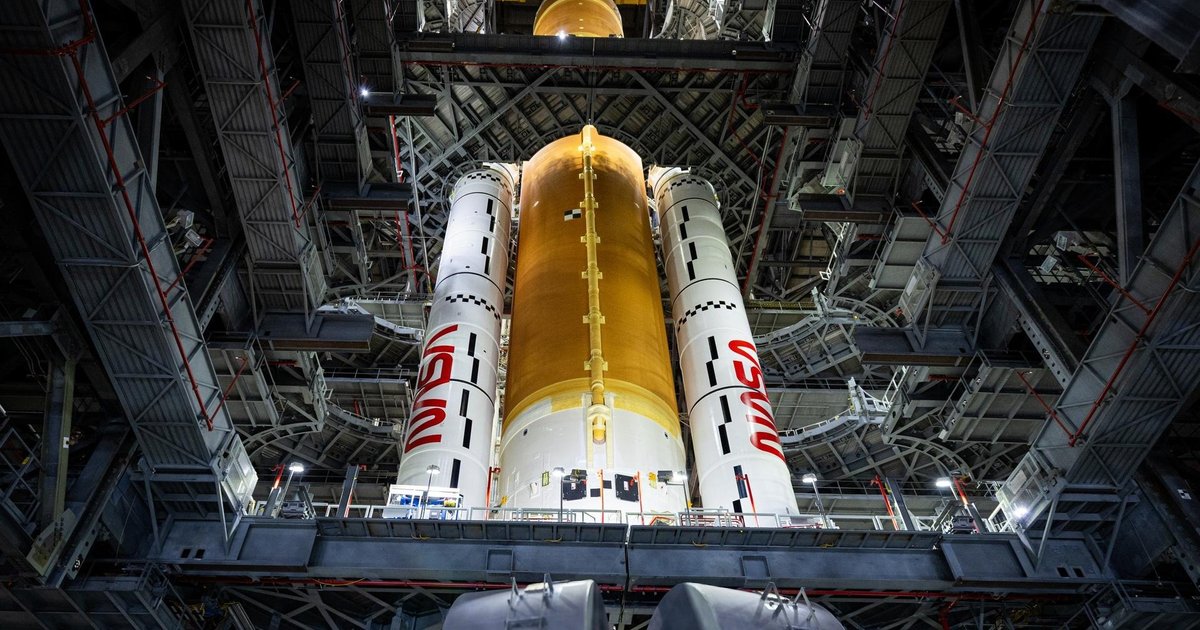
In an unexpected event, a floating Nutella can inside the Orion spacecraft during the Artemis 2 mission has sparked widespread reactions on social media. This unique sighting came at a critical moment, as astronauts achieved a new record for the farthest distance traveled by humans in space, adding a distinctive touch to the mission.
The Artemis 2 mission, part of the program to return to the Moon, aims to explore deep space and enhance human understanding of the universe. Through this mission, scientists seek to gather valuable data about space and its effects on humans, contributing to the development of new technologies for exploring other planets.
Details of the Event
The Artemis 2 mission is being conducted under the supervision of the U.S. space agency (NASA), with the Orion spacecraft embarking on a multi-day journey. During this trip, a photo was captured of a Nutella can floating inside the spacecraft, creating a significant stir in the media. This image was not just a fleeting snapshot but a symbol of the human spirit in space exploration, showcasing how everyday items can be part of space adventures.
The journey aims to reach the Moon, where astronauts will conduct multiple scientific experiments. This mission also represents an important step towards humanity's goal of exploring Mars in the near future.
Background & Context
The history of space exploration is filled with challenges and achievements. Since humanity launched its first satellite into space, we have witnessed tremendous advancements in technology and science. The Artemis program is part of a larger vision by NASA, aiming to return humans to the Moon by 2024, marking a historic return after decades.
Previous successes, such as the Apollo missions, laid the groundwork for many current projects. Today, humanity looks to explore other planets, requiring international cooperation and continuous technological development.
Impact & Consequences
The Artemis 2 mission is considered a significant step towards achieving space exploration goals. Success in this mission could open doors for more ambitious future projects, such as sending missions to Mars. Additionally, setting a new record for the distance traveled by humans in space reflects the substantial technological progress humanity has made.
The considerable interaction surrounding the Nutella can image also illustrates how simple things can resonate with people's emotions and spark their interest. This type of engagement can help raise awareness about the importance of space exploration and encourage future generations to consider careers in science and technology.
Regional Significance
The Artemis 2 mission presents an opportunity for the Arab region to enhance its interest in space and technology fields. Many Arab countries have begun significant investments in this area, such as the United Arab Emirates, which launched the Hope Probe to Mars. These projects reflect the desire of Arab nations to be part of the future of space exploration.
Achievements like Artemis 2 can inspire Arab youth to direct their ambitions towards science and technology, contributing to the development of the region's capabilities in these vital fields.
In conclusion, the Artemis 2 mission remains a prominent event in the history of space exploration, combining scientific achievements with human interaction. The floating Nutella can is not just an image but a symbol of hope and ambition in exploring the unknown.