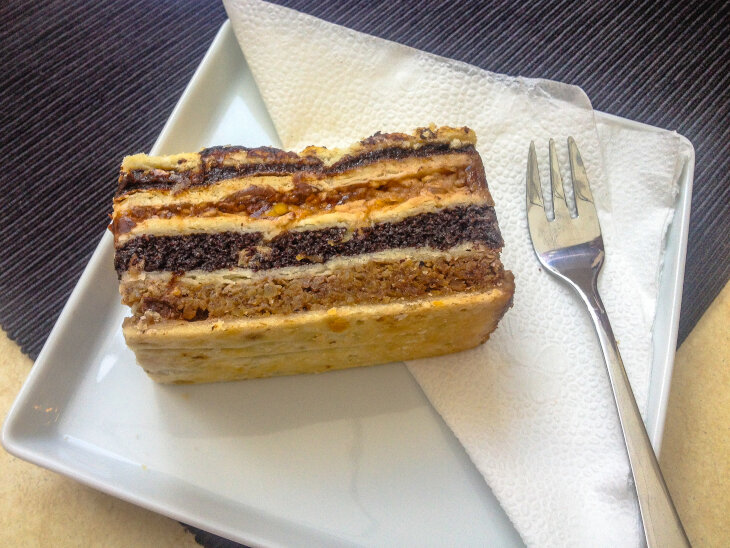
Flodni cake is one of the renowned dishes in Hungarian cuisine, symbolizing the history of the Jewish community in Hungary. This cake consists of multiple layers of dough filled with nuts and jam, making it not just a dessert but a representation of a rich culture that spans across time.
The origins of Flodni cake trace back to the nineteenth century, where it was prepared for special occasions and holidays. Over time, it has become an integral part of the cultural heritage of Hungarian Jews, reflecting their influences on local cuisine.
Details of the Flodni Cake
Flodni cake is made up of several layers, using thin dough that is filled with a mixture of ground walnuts, apples, and jam, which gives it a distinctive flavor. The cake is baked until it turns golden brown and is typically served with tea or coffee. This dish is not only delicious but also carries deep historical and cultural memories.
In recent years, Flodni cake has gained increasing popularity beyond the borders of Hungary, as many seek to experience this unique dessert. Its preparation is considered an art that requires skill and precision, making it special for social occasions.
Background & Context
The history of the Jewish community in Hungary spans several centuries, where they established a thriving society that contributed to the cultural and economic life of the country. However, this community faced significant challenges, especially during World War II, which impacted their cultural heritage.
Flodni cake, as part of this heritage, represents the resilience of the Jewish community and their ability to preserve their traditions despite adversities. This cake symbolizes the connection between generations, as it is made in homes and served on special occasions.
Impact & Consequences
Flodni cake exemplifies how food culture influences cultural identity. By enjoying this cake, people can learn about the history of the Jewish community in Hungary, fostering understanding and tolerance among different cultures.
The growing interest in Flodni cake also reflects global trends towards exploring traditional foods, contributing to the preservation and enhancement of cultural heritage. This interest can open new avenues for cultural tourism in Hungary.
Regional Significance
Although Flodni cake is part of Hungarian heritage, there are lessons that Arab communities can learn from it. Just as traditional foods carry historical stories, Arab communities can also promote their cultures by preserving their culinary heritage.
Exploring traditional foods can enhance mutual understanding between cultures, contributing to building bridges of communication and tolerance. Ultimately, Flodni cake demonstrates how food can be a means of expressing cultural identity and history.