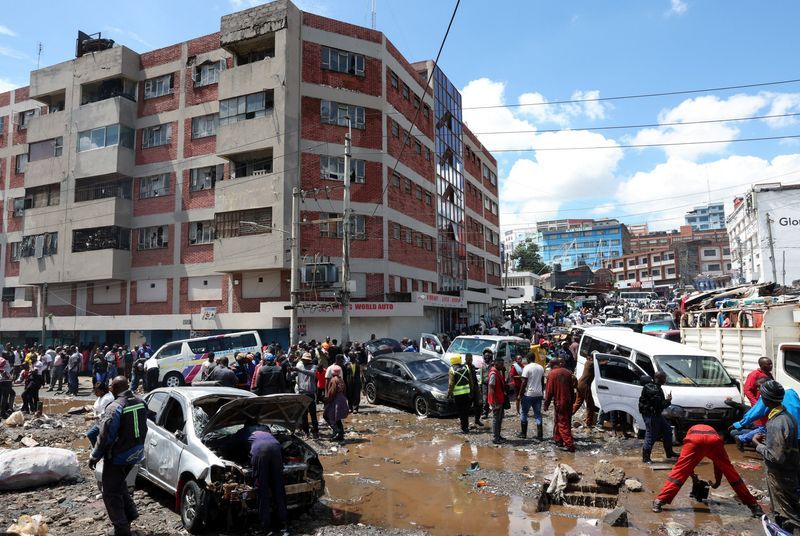
The National Police of Kenya has reported that the death toll from the floods that swept the country has risen to 108 people, due to heavy rains that lasted for weeks. These floods, which began earlier this month, have led to widespread destruction in many areas, significantly affecting the lives of citizens.
Rescue and relief efforts continue in the affected areas, with local authorities working alongside humanitarian organizations to provide assistance to those impacted. The floods have destroyed homes and infrastructure, leaving many families homeless.
Details of the Incident
In recent days, Kenya has experienced heavy rainfall that has exacerbated the situation, with reports of drownings and missing persons in several regions. Significant damage to agricultural crops has also been recorded, threatening the country's food security. Local authorities have confirmed that they are working to assess the damage and provide necessary assistance to those affected.
These floods are among the worst that Kenya has witnessed in recent years, causing significant human and material losses. Meteorological authorities have warned of continued rainfall in the coming days, raising concerns about the worsening situation.
Background & Context
Historically, Kenya has experienced numerous floods due to climate change, with this phenomenon becoming more frequent in recent years. The country faces significant challenges in water management and infrastructure, making it increasingly difficult to cope with natural disasters.
In 2020, Kenya also experienced severe flooding that resulted in many deaths and property destruction. These events highlight the urgent need to improve disaster preparedness and develop effective strategies for crisis management.
Impact & Consequences
The effects of the floods extend beyond human losses, impacting the local economy and increasing the suffering of affected communities. The destruction of crops and infrastructure will lead to rising food prices, putting additional economic pressure on vulnerable families.
This natural disaster may also affect social stability in the country, potentially leading to conflicts over limited resources. It is crucial for the government to collaborate with humanitarian organizations to provide necessary support to those affected and mitigate the impacts of this disaster.
Regional Significance
Although Kenya is far from the Arab world, natural events like this remind us of the importance of international cooperation in facing disasters. Floods and natural disasters do not recognize borders and can affect food security and stability in other regions.
Arab countries also face similar challenges, with some areas experiencing droughts and floods. It is essential for Arab nations to exchange experiences and technologies to tackle these challenges and improve disaster management strategies.