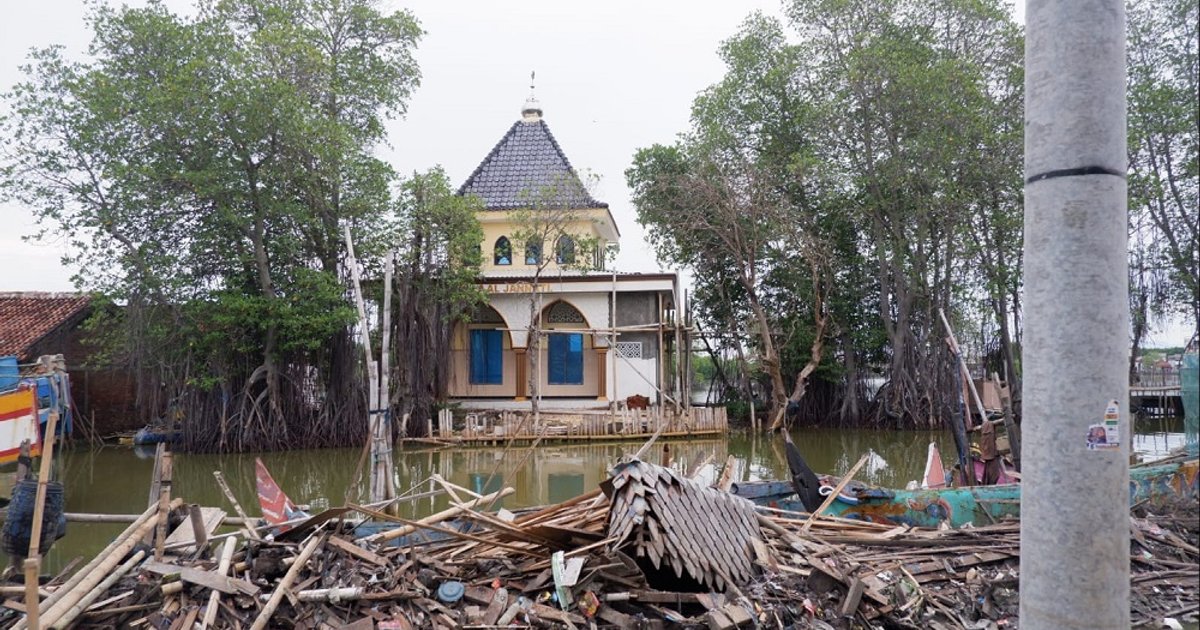
Flooding hit the Demak region in Indonesia on Friday as a result of the collapse of three dams along the Tuntung River, leading to several villages being submerged. The head of the emergency and relief department at the local disaster management agency, Suprapto, reported that the affected villages include Trimoli and Sidoharjo in the Guntur area.
The dam failures were recorded early on Friday morning, prompting precautionary measures by the agency in collaboration with volunteers and local residents, who attempted to raise the dam heights using sand-filled plastic bags. However, these measures were insufficient to prevent the dam collapses, with the first failure occurring in Trimoli at 10 AM, followed by another in Sidoharjo at 12 PM.
Details of the Incident
The dam collapses necessitated the evacuation of local residents to safe centers, where they were relocated to the village hall, deemed safe from flooding. The disaster management agency dispatched four teams to assist in evacuation operations and provide support to the affected populations. Coordination was also established with the major river water authority, as the dams fall under its management.
It is noteworthy that this is not the first time the Demak region has faced such flooding; in February 2026, the area experienced a similar dam failure in the village of Kebonagung, which resulted in the disruption of major roads.
Background & Context
Flooding in Indonesia is a recurring issue, particularly in areas with weak infrastructure. The country periodically faces heavy rainfall seasons, leading to rising water levels in rivers and dams. These floods have impacted the lives of thousands, destroying homes and roads and causing humanitarian crises.
Historically, Indonesia has witnessed numerous natural disasters, including earthquakes and landslides, making it one of the most disaster-prone countries in the world. These conditions require a swift and effective response from the government and humanitarian agencies to mitigate damage and protect residents.
Impact & Consequences
The floods affect the local economy, disrupting business and agricultural activities, leading to significant financial losses. Additionally, evacuation operations require additional resources from the government, increasing the burden on the public budget. Furthermore, these disasters can lead to outbreaks of diseases due to deteriorating health conditions in shelter areas.
These events necessitate a coordinated response from the government and humanitarian agencies, as urgent assistance must be provided to affected populations along with the necessary support for rebuilding homes and damaged infrastructure.
Regional Significance
While the floods in Indonesia may seem distant from the Arab region, there are lessons to be learned. Many Arab countries face similar challenges in water management and dealing with natural disasters. Indonesia's experiences in crisis management and infrastructure development could be beneficial for Arab nations seeking to enhance their disaster response capabilities.
In conclusion, the flooding in Demak highlights the urgent need to strengthen disaster management strategies and develop infrastructure worldwide, including in Arab countries, to ensure the safety of populations and reduce the damage caused by natural disasters.