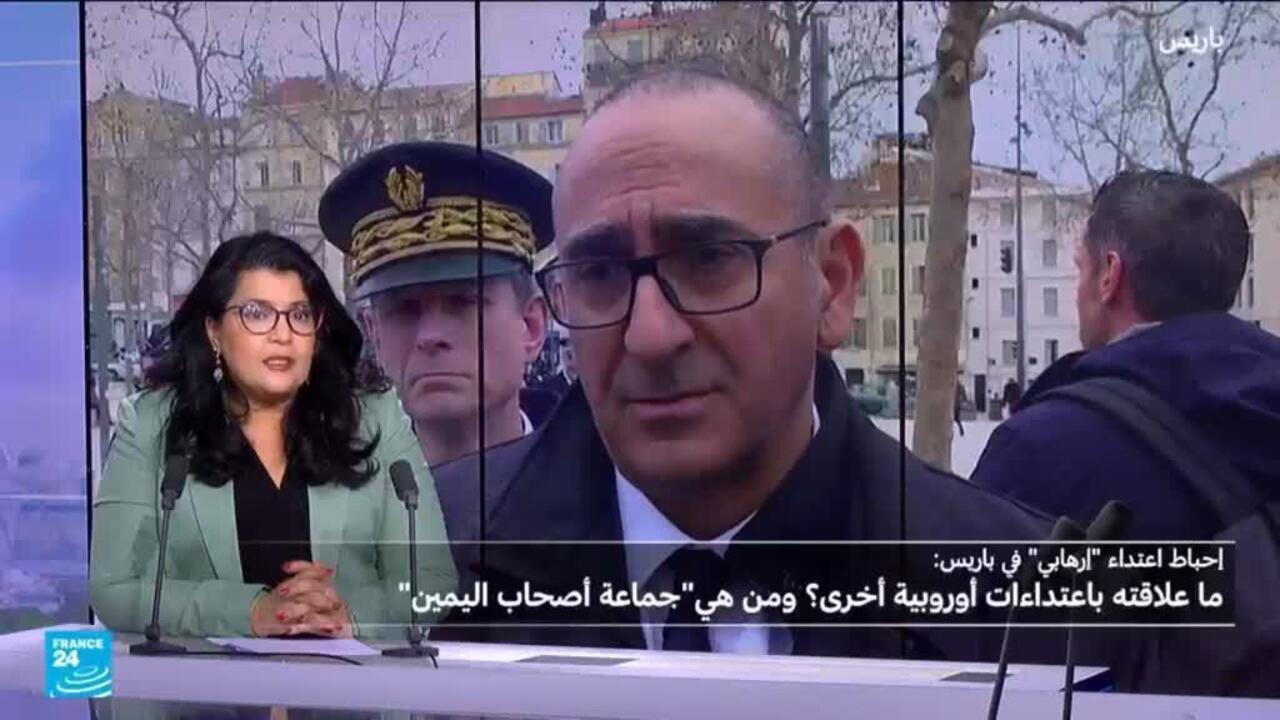
French authorities thwarted a bombing attempt near the American bank in the heart of Paris on the night of Friday to Saturday, March 28. Three suspects were arrested, including two minors who were recruited via Snapchat. This incident comes at a time when fears of increasing terrorist activities in Europe are rising, raising questions about Iran's role in these events.
French Interior Minister Gérald Darmanin stated that there are strong suspicions linking this attack to previous attacks that occurred in other European countries, such as Norway, Belgium, the Netherlands, and London. He confirmed that the method of executing the attack resembles those used in these previous incidents, reinforcing the hypothesis of a network of extremists operating in Europe.
Details of the Incident
The incident took place in a vibrant area of Paris, where the attack was planned to occur late at night. French authorities managed to thwart the attack before it happened, indicating the effectiveness of security agencies in countering terrorist threats. Investigations are ongoing, and authorities are interrogating the suspects to learn more about their plans and objectives.
Preliminary investigations indicate that the suspects were communicating via Snapchat, reflecting the use of modern technology by extremist groups to recruit individuals and coordinate operations. This method signifies a shift in the tactics of terrorist groups, which have increasingly relied on social media to reach out to youth.
Background & Context
Historically, Europe has witnessed several terrorist attacks linked to extremist groups, leading to heightened security measures in many countries. In recent years, concerns have grown regarding Iran's activities in the region, as Tehran is believed to support some extremist groups in Europe as part of its regional strategy.
Investigations into previous attacks in Norway, Belgium, the Netherlands, and London have shown connections between these incidents, reinforcing the hypothesis that there is a cross-border network of extremists. This network may be linked in some way to conflicts in the Middle East, complicating the security situation in Europe.
Impact & Consequences
If links between this attack and Iranian activities are confirmed, it could escalate tensions between European countries and Iran. Additionally, this incident may raise new concerns about security in major European cities, prompting governments to adopt stricter measures to combat terrorist threats.
The political ramifications of this attack could include increased pressure on European governments to adopt tougher policies towards Iran and extremist groups. This incident may also affect relations between European countries and Middle Eastern nations, further complicating the political landscape in the region.
Regional Significance
Considering the situation in the Arab region, this incident may reflect the impact of ongoing conflicts in the Middle East on security in Europe. The rise of terrorist activities could lead to increased tensions between Arab countries and Western nations, highlighting the need for greater international cooperation to address shared threats.
In conclusion, the question remains whether Iran is waging a hybrid war in Europe and how these events will affect security and stability in the region. The current situation requires careful analysis and a deep understanding of the factors influencing regional and international security.