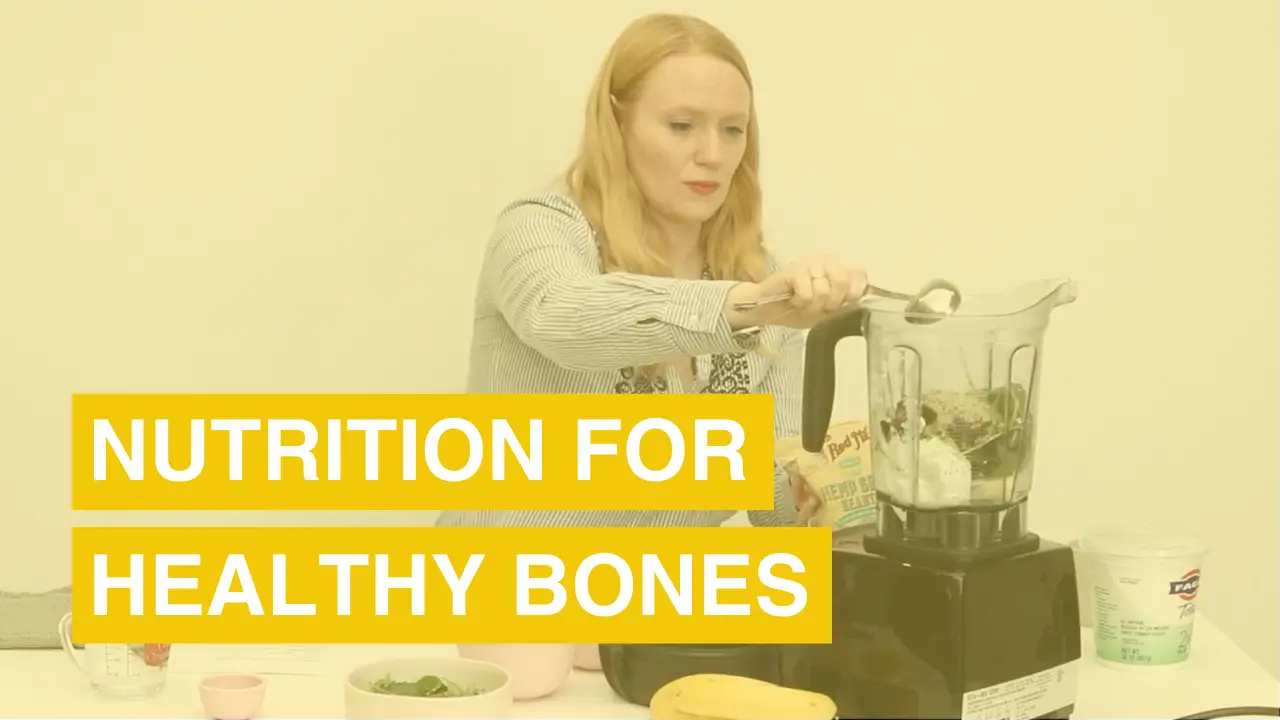
Bone health is vital for quality of life. It can be achieved by following four simple steps that strengthen and preserve bones.
The first step is to consume foods rich in calcium, as calcium is the essential element for building bones. Calcium-rich food sources include dairy products such as milk and cheese, as well as leafy greens like spinach and kale. It is also advisable to eat fish like sardines, which contain edible bones, thereby increasing the amount of calcium consumed.
Details of the Steps
The second step involves vitamin D, which plays a crucial role in calcium absorption. Vitamin D can be obtained through exposure to sunlight, so spending some time outdoors daily is recommended. Additionally, dietary supplements containing vitamin D can be taken, especially during seasons with limited sunlight.
The third step is to engage in regular exercise, as weight-bearing exercises such as walking, running, and weightlifting are among the best ways to strengthen bones. These activities help stimulate bone growth and increase density, thereby reducing the risk of developing osteoporosis.
Background & Context
Osteoporosis is a common health issue, particularly among the elderly. According to the World Health Organization, millions of people worldwide suffer from this condition, increasing the risk of fractures and injuries. Therefore, following a healthy diet and exercising can significantly impact bone health.
Moreover, genetic factors and age also play a role in bone health. It is essential for individuals to be aware of their specific risk factors and take proactive steps to maintain their bone health.
Impact & Consequences
Bone health directly affects quality of life, as weak bones can lead to mobility restrictions and an inactive lifestyle. This can also impact mental health, as individuals with bone issues may feel isolated or depressed.
Furthermore, the healthcare costs associated with treating fractures or conditions related to osteoporosis can be high, placing an additional burden on health systems. Thus, investing in prevention through enhancing bone health is a wise choice.
Regional Significance
In the Arab region, the importance of these tips is heightened due to changes in lifestyle and nutrition. With the increasing reliance on fast food and decreased physical activity, the risk of developing bone problems may rise. Therefore, it is crucial to raise awareness in communities about the significance of proper nutrition and physical activity for maintaining bone health.
In conclusion, it can be said that following these four steps can significantly contribute to enhancing bone health and preventing related health issues. It is important for individuals to adopt these healthy habits in their daily lives to ensure strong and healthy bones.