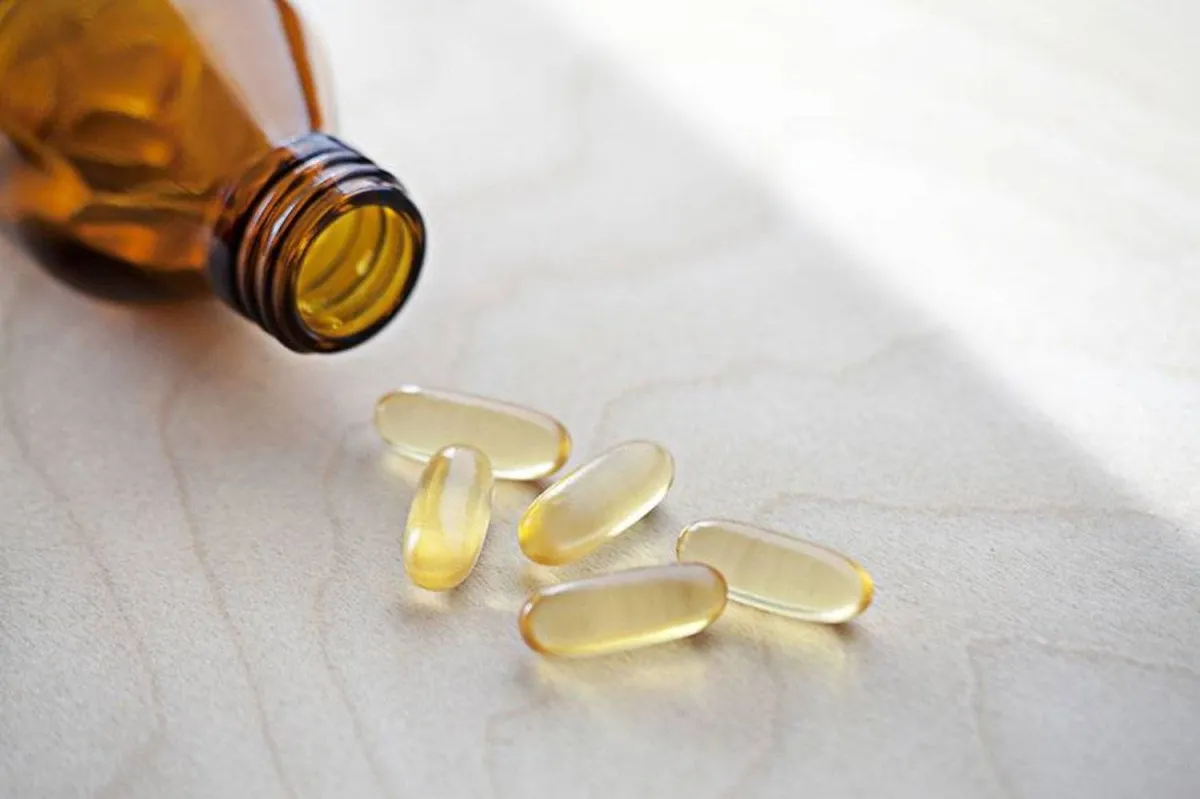
Vitamin D is a vital element that plays a crucial role in enhancing bone health and immunity. However, many individuals experience poor absorption of this vitamin, which diminishes its health benefits. According to the scientific website 'Verywell Health', the absorption of Vitamin D can be improved by consuming certain foods and supplements.
Vitamin D is fat-soluble, not water-soluble, meaning the body requires fats for effective absorption. Among the healthy fats that enhance Vitamin D absorption are:
- Avocado.
- Fatty fish such as salmon, sardines, and mackerel.
- Nuts like almonds and walnuts.
- Olive oil.
- Peanut butter.
- Seeds such as chia and flaxseed.
Details on Nutritional Elements
Magnesium also plays a crucial role in activating Vitamin D within the liver and kidneys. Without magnesium, the effectiveness of Vitamin D in the body decreases. Some of the most important sources of magnesium include:
- Nuts.
- Legumes such as beans and lentils.
- Dark leafy greens like spinach.
- Whole grains.
- Dairy products.
- Dark chocolate.
Protein also aids in supporting the vital processes associated with the absorption and utilization of Vitamin D within the body. Key sources of protein include:
- Fish.
- Dairy products.
- Lean meats.
- Poultry.
- Legumes.
- Eggs.
- Nuts and seeds.
Background & Context
Although Vitamin K does not directly increase the absorption of Vitamin D, it works alongside it to regulate calcium metabolism, helping to prevent bone fractures and low bone mineral density. Research indicates that maintaining adequate levels of both vitamins together provides greater health benefits than consuming them separately. Vitamin K is naturally found in many foods, including:
- Broccoli.
- Spinach and leafy greens.
- Kiwi.
- Berries.
- Soybeans.
- Tuna.
Zinc also helps regulate the function of Vitamin D within the body and supports immunity. Some of the most important natural sources of zinc include:
- Seafood like oysters.
- Meat.
- Legumes.
- Nuts.
- Whole grains.
- Pumpkin seeds.
Impact & Consequences
Probiotic-rich supplements support gut health, improving Vitamin D absorption and increasing its levels in the blood. Key sources of natural probiotics include:
- Yogurt.
- Aged cheeses.
- Fermented foods like pickles.
Living a healthy and long life depends not only on genetics but also on daily habits and how one manages their body and mind. Some common daily behaviors can increase the risk of chronic diseases. Notable behaviors include:
- Shifting towards consuming more processed foods.
- Smoking, which may rob you of ten years of your life.
- A sedentary lifestyle that increases the risk of chronic diseases.
- Anger that raises cortisol levels, harming overall health.
- Social isolation that negatively affects physical and mental health.
Regional Significance
In the Arab region, where rates of heart disease and diabetes are rising, raising awareness about the importance of Vitamin D and ways to improve its absorption is essential. Emphasis should be placed on proper nutrition and adopting healthy habits to mitigate health risks.
In conclusion, Vitamin D is a vital component for the health of the body, and individuals should take effective steps to enhance its absorption through a proper diet and suitable supplements.