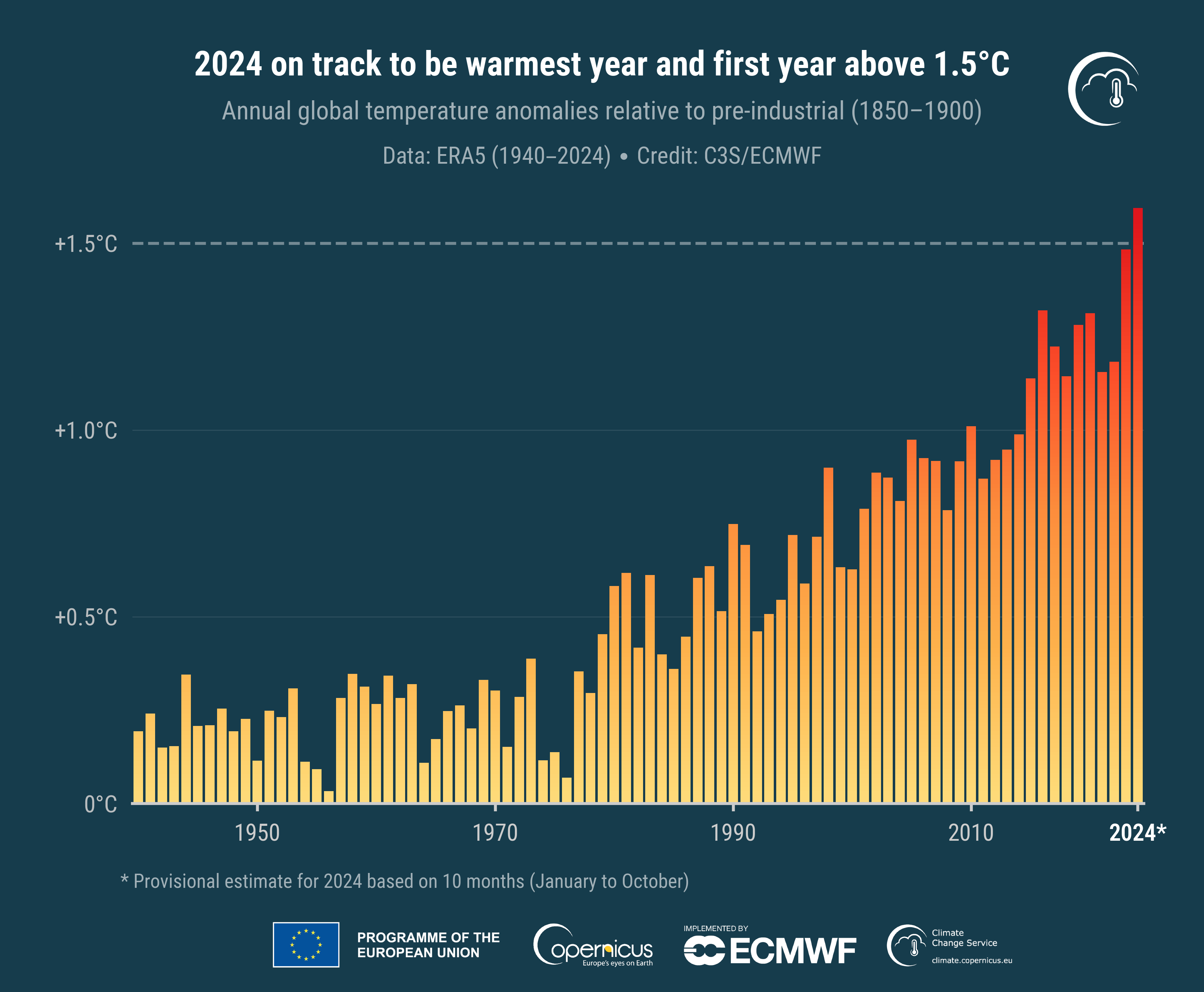
Weather forecasts are vital for everyone, offering precise information about the climate in various cities and regions. In this context, new data has been revealed regarding temperature changes, showcasing the differences between current figures and the averages of the past thirty years.
This forecast includes detailed information about expected temperatures, aiding residents in making informed decisions about their daily activities. Additionally, this data reflects the climate changes occurring worldwide, necessitating greater attention from individuals and relevant authorities.
Event Details
Reports indicate that temperatures in some areas have seen a significant rise, raising concerns about potential impacts on the environment and public health. These changes are not just numbers; they reflect a new reality that requires everyone to adapt.
By comparing current data with averages from previous years, specialists can identify climate trends and provide recommendations to mitigate the effects of climate change. This information is essential for understanding how climate impacts our daily lives.
Background & Context
Over the decades, many regions around the world have experienced notable climate changes, with temperatures rising steadily. This phenomenon is not new, but it has become more pronounced in recent years, prompting scientists and researchers to study its causes and effects.
Historically, climate changes have been linked to human activities, such as carbon emissions and fossil fuel use. However, natural changes also play a role in this dynamic, making it challenging to definitively pinpoint the primary cause.
Impact & Consequences
Climate changes directly affect agriculture, water resources, and public health. Rising temperatures can lead to drought in agricultural lands, threatening food security in many countries. Additionally, climate changes may increase the spread of diseases, posing an additional challenge to health systems.
Moreover, these changes impact wildlife and ecosystems, resulting in biodiversity loss. These effects require a swift response from governments and local communities to mitigate potential risks.
Regional Significance
The Arab region is among the most affected by climate changes, with many countries experiencing rising temperatures and water scarcity. These challenges necessitate integrated strategies to adapt to new conditions, including improved water resource management and the promotion of sustainable agriculture.
Furthermore, climate changes may affect political stability in the region, potentially leading to conflicts over natural resources. Therefore, regional and international cooperation is essential to address these challenges.
In conclusion, weather forecasts and climate data analysis are crucial tools for understanding the changes occurring in the world. By being aware of these changes, communities can take effective steps to adapt to new conditions and ensure a sustainable future.