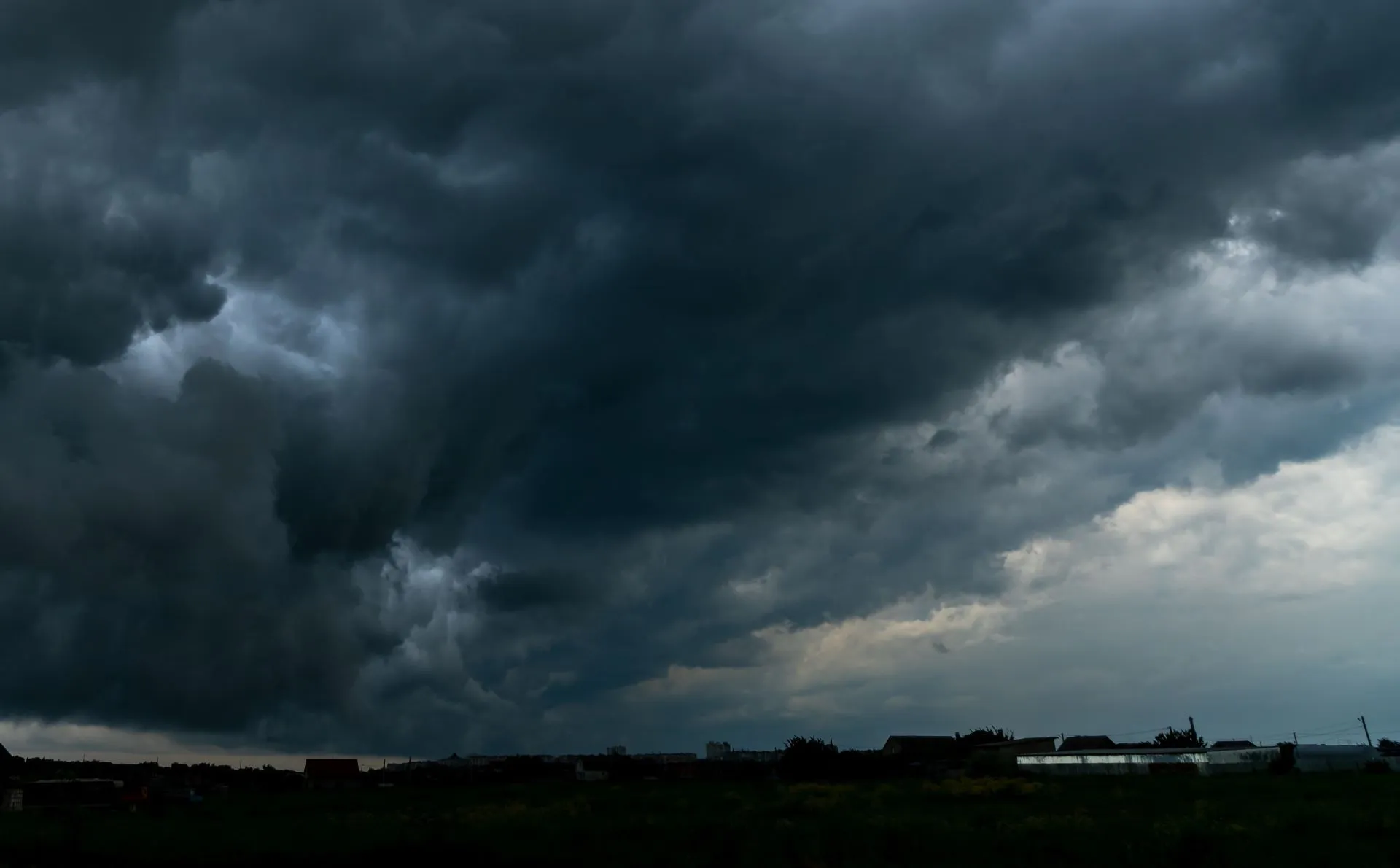
The Indonesian Meteorology, Climatology, and Geophysics Agency (BMKG) has announced its forecasts regarding the potential emergence of the El Niño phenomenon in 2026, estimating a likelihood of up to 60%. This climate phenomenon, known for its significant impacts on weather, could lead to noticeable changes in rainfall patterns and temperatures across the globe.
El Niño is part of the global ocean-atmosphere cycle, significantly affecting climate in tropical regions and causing climatic fluctuations that impact agriculture, water resources, and natural resources. This prediction comes at a time when the world is experiencing rapid climate changes, increasing the importance of monitoring such phenomena.
Details of the Event
BMKG's forecasts are based on analyses of climatic and oceanic data, where indicators have been observed suggesting the likelihood of El Niño in the coming years. These indicators include rising sea surface temperatures in the Pacific Ocean, which is a sign of the approaching phenomenon. The agency is also closely monitoring other climatic changes that may affect the accuracy of these predictions.
It is worth noting that El Niño can lead to varying effects in different regions, potentially causing drought in some areas while resulting in heavy rainfall in others. Therefore, these forecasts are of great significance for countries that rely on agriculture and freshwater resources.
Background & Context
Historically, the world has witnessed numerous climate phenomena associated with El Niño, which have had substantial impacts on the economy and the environment. For instance, during the 1997-1998 El Niño event, severe drought occurred in some areas, negatively affecting agricultural yields and leading to food shortages.
Scientific studies indicate that global climate change may intensify these phenomena, making it essential to have strategies for adapting to climatic changes. In this context, early forecasts such as those provided by BMKG are crucial for guiding agricultural and water policies.
Impact & Consequences
The impacts of El Niño extend beyond Indonesian borders, as it can affect climate across vast regions of the world. For example, it can lead to increased hurricane intensity in the Atlantic Ocean and changes in wind patterns that affect agriculture in the United States and Europe.
This phenomenon may also exacerbate humanitarian crises in certain areas, potentially leading to shortages of water and food, thereby increasing pressures on governments and local communities.
Regional Significance
For the Arab region, the El Niño phenomenon may influence rainfall patterns and temperatures, potentially leading to drought in some areas and increased temperatures in others. This situation could directly impact agriculture and food security in Arab countries, which heavily rely on agriculture as a primary food source.
Therefore, monitoring these forecasts is essential for Arab countries to develop effective strategies for adapting to potential climate changes.